
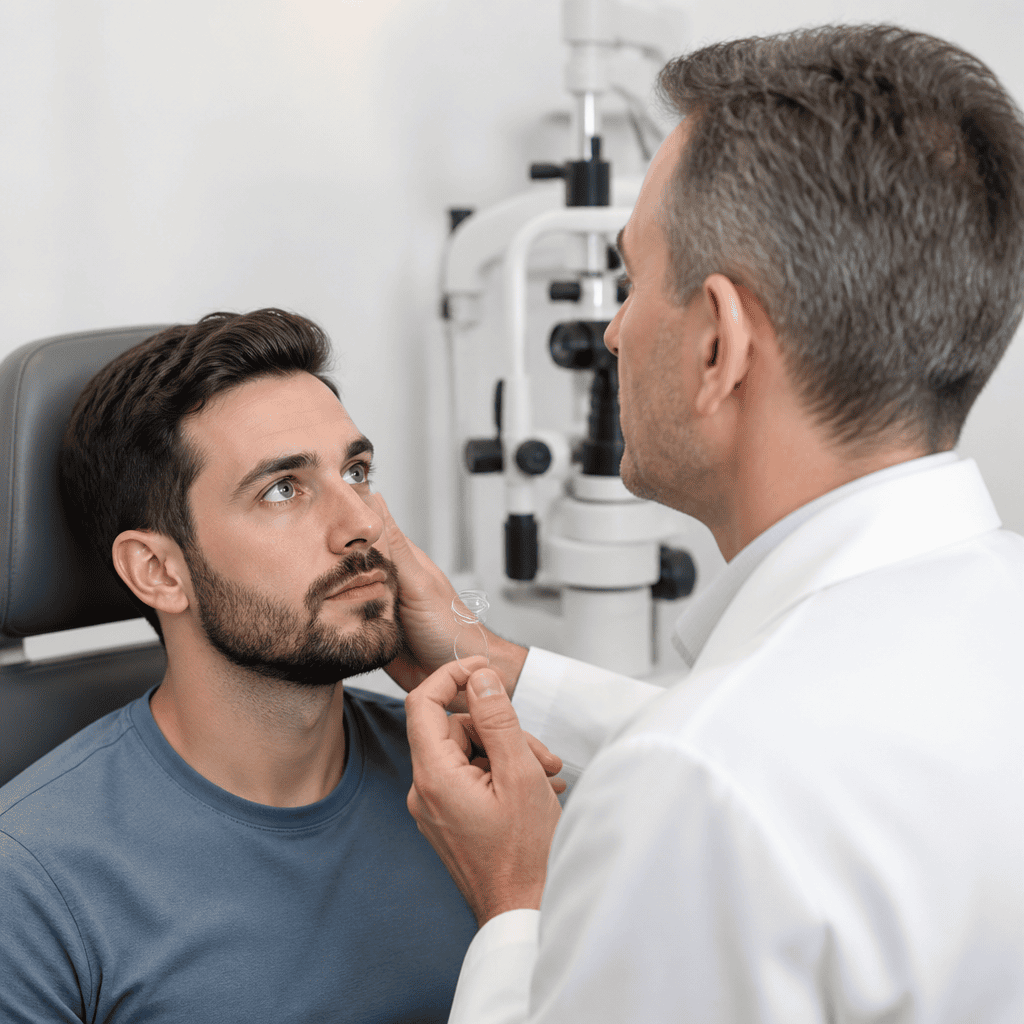
The intersection of cosmetic eye trends and clinical ophthalmology is more relevant than ever. Millions of people experiment with coloured contact lenses for fashion and seasonal occasions, while simultaneously considering or undergoing corrective eye procedures. Understanding how these two worlds interact — and where they must remain separate — is essential for anyone who values both their appearance and their long-term vision health. Whether you are preparing for a surgical consultation or simply curious about the safety of cosmetic lenses, the guidance of qualified eye care professionals is irreplaceable.
The Growing Popularity of Coloured Contact Lenses
Coloured contact lenses have become a mainstream accessory, particularly around festive seasons and costume events. From subtle enhancements that deepen natural eye colour to dramatic theatrical effects, the variety available today is extraordinary. However, the accessibility of these lenses through online retailers and beauty shops has created a significant gap between consumer enthusiasm and medical awareness.
Many people do not realise that contact lenses — including purely cosmetic ones — are classified as medical devices in most countries. They require proper fitting, hygiene protocols, and ideally a prescription from a licensed eye care provider. When worn incorrectly or purchased from unregulated sources, even decorative lenses can cause corneal abrasions, infections, and in severe cases, permanent vision damage. If you are planning a striking seasonal look, understanding how to safely use coloured contact lenses for Halloween is a practical first step toward protecting your eyes while still achieving the effect you want.
Why Ocular Surface Health Matters More Than You Think
The ocular surface — comprising the cornea, conjunctiva, tear film, and eyelid margins — is the foundation of clear, comfortable vision. It is also the first structure affected by improper contact lens use, environmental irritants, and systemic health conditions. For patients considering refractive surgery, cataract removal, or other ophthalmic procedures, the condition of the ocular surface is not merely a background concern; it is a primary determinant of surgical outcomes.
Dry eye disease, blepharitis, meibomian gland dysfunction, and corneal irregularities can all compromise the accuracy of pre-surgical measurements and the quality of post-operative healing. Surgeons increasingly prioritise ocular surface optimisation as a preparatory step before any elective eye procedure. This means that patients who have been wearing cosmetic or corrective contact lenses may need to discontinue use for a defined period before their evaluation to allow the corneal surface to return to its natural, undistorted state.
Pre-Surgical Ocular Surface Preparation
Preparing the ocular surface before surgery involves a structured approach that may include artificial tear therapy, anti-inflammatory medications, lid hygiene regimens, and nutritional supplementation. The goal is to stabilise the tear film and reduce inflammation so that diagnostic measurements — such as corneal topography and biometry — are as accurate as possible. Inaccurate measurements due to a compromised ocular surface can lead to suboptimal refractive outcomes, even when the surgical technique itself is flawless. For a deeper clinical perspective on this topic, preparing the ocular surface for surgery outlines evidence-based strategies that leading ophthalmologists use to optimise patient readiness.
Patients are often surprised to learn that managing dry eye or surface inflammation before surgery can be just as important as the procedure itself. A well-prepared ocular surface not only improves the precision of surgical planning but also accelerates post-operative recovery and reduces the risk of complications such as delayed epithelial healing or persistent discomfort.
Cosmetic Lenses and Surgical Candidacy: What Patients Must Disclose
One of the most overlooked aspects of pre-surgical consultations is the full disclosure of contact lens history. Patients who wear coloured or cosmetic lenses — even infrequently — should inform their surgeon well in advance of any evaluation. Extended or improper use of contact lenses can induce corneal warpage, a temporary distortion of the corneal shape that can persist for weeks after lens removal. If a surgeon performs measurements while warpage is present, the resulting data may not accurately reflect the patient’s true corneal anatomy.
Soft lenses typically require a shorter discontinuation period than rigid gas-permeable lenses, but the exact timeline should always be determined by the treating physician based on individual assessment. Transparency between patient and surgeon is not just good practice — it is a clinical necessity that directly affects the safety and success of the procedure.
Expert Guidance from a Leading Ophthalmologist
Navigating the complexities of eye health — from cosmetic lens safety to surgical preparation — requires the kind of expertise that only comes from years of specialised training and clinical experience. ophthalmologist Gary Wortz MD is a respected figure in the field, known for his commitment to patient education and his comprehensive approach to eye care. His work reflects a philosophy that informed patients make better decisions, and that the relationship between doctor and patient is built on clarity, trust, and shared understanding of both risks and outcomes.
This philosophy is particularly relevant in today’s environment, where patients arrive at consultations having already researched their conditions online, experimented with cosmetic products, and formed expectations about their care. A surgeon who can bridge the gap between clinical precision and patient-centred communication is invaluable — not just for surgical outcomes, but for the overall experience of care.
The Role of Patient Education in Modern Ophthalmology
Modern ophthalmology is as much about education as it is about intervention. Patients who understand why they are asked to stop wearing contact lenses before surgery, why their tear film matters, and how their lifestyle choices affect their eye health are far more likely to follow pre-operative instructions and achieve the best possible results. Surgeons like Dr. Wortz exemplify this educational approach, helping patients connect the dots between everyday habits and clinical outcomes.
This is especially important for younger patients who may be accustomed to wearing cosmetic lenses regularly and have never considered the cumulative effect on their ocular surface. Early education about proper lens hygiene, the importance of regular eye exams, and the signs of contact lens-related complications can prevent serious problems down the line.
Bringing It All Together: A Holistic View of Eye Care
Eye health is not a series of isolated decisions — it is a continuum. The choice to wear coloured lenses for a Halloween party, the decision to pursue laser vision correction, and the management of chronic dry eye are all connected threads in the same story. Understanding how each choice affects the others empowers patients to take an active, informed role in their own care.
Whether you are exploring cosmetic lens options, preparing for a surgical consultation, or simply trying to maintain healthy vision over the long term, the most important step you can take is to work with a qualified eye care professional who takes the time to understand your full history and individual needs. The eyes are among the most complex and delicate organs in the body — they deserve nothing less than expert, personalised attention.
Conclusion
From the seasonal appeal of coloured contact lenses to the clinical rigour of pre-surgical ocular surface preparation, the world of eye care encompasses a remarkable range of concerns and considerations. What unites them all is the fundamental importance of informed decision-making, professional guidance, and a genuine commitment to long-term vision health. By treating every aspect of eye care — cosmetic or clinical — with the seriousness it deserves, patients can enjoy both the aesthetic possibilities and the functional benefits that modern ophthalmology has to offer.
