
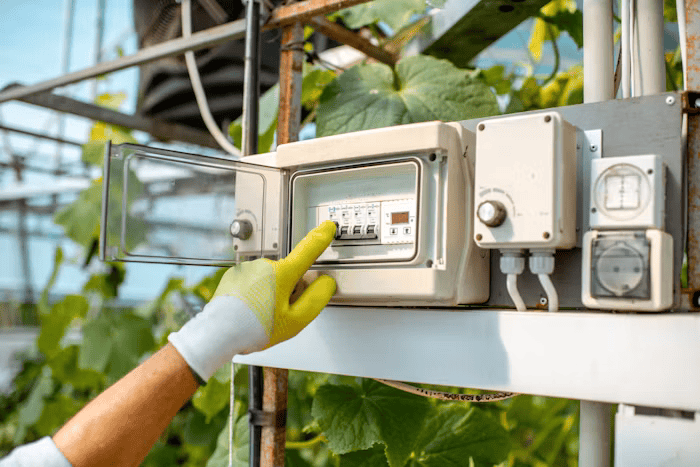
The rapid transition toward sustainable urban transportation has fundamentally transformed how cities approach energy distribution. As electric vehicles and electric scooters dominate modern streets, the underlying infrastructure supporting them faces unprecedented stress. Operating a profitable e-mobility network requires more than just deploying charging stations across metropolitan areas.
Behind the sleek interfaces of modern charging hubs lies a complex and vulnerable electrical reality. Ensuring the financial viability of these networks demands rigorous protection against severe environmental and grid-level electrical anomalies.
The Exponential Growth of Urban Micro-Mobility and Smart Charging Hubs
The global push for zero-emission transit has triggered an explosion in both personal EVs and shared Micro-Mobility solutions. Electric scooters and e-bikes have bridged the critical “last-mile” commute, requiring dense networks of docking and charging stations. Simultaneously, high-capacity EV fast-charging hubs are replacing traditional gas stations.
This sprawling ecosystem relies entirely on constant, decentralized access to the municipal power grid. Unlike traditional indoor electrical appliances, these smart charging hubs are permanently deployed in highly exposed outdoor environments. They are expected to function flawlessly regardless of extreme weather, temperature fluctuations, or grid instability.
Maintaining a reliable outdoor charging network is the ultimate bottleneck for urban mobility planners. A disabled charging station not only frustrates users but also severely impacts the operator’s revenue and brand reputation.
The Invisible Threat to Outdoor Charging Infrastructure
Public charging stations are architectural endpoints connecting complex municipal power grids to highly sensitive consumer electronics. This constant exposure makes them exceptionally vulnerable to Transient Overvoltages originating from both the environment and the grid. A single severe weather event can jeopardize an entire city’s charging network.
Because these units are installed in open parking lots, sidewalks, and highways, they frequently suffer from indirect lightning strikes. The immense electromagnetic field generated by a nearby strike induces massive voltage spikes into the underground power cables connecting the stations.
The Cost of Damaged Smart Controllers and Batteries
When a transient surge breaches a charging station, the internal damage is instantaneous and financially devastating. The electrical spike easily bypasses standard fuses, obliterating the station’s delicate microprocessors, payment terminals, and communication modules. Replacing a destroyed DC fast-charging motherboard can cost operators thousands of dollars in parts and labor.
The financial liability extends far beyond the station itself. If an EV or e-scooter is actively plugged in during a surge, the voltage spike can travel directly into the vehicle. This can permanently damage the vehicle’s Battery Management System (BMS), creating severe thermal runaway risks and massive liability claims.
The resulting downtime creates a cascading failure in the mobility network. Commuters are left stranded, operator revenue halts, and the maintenance logistics required to repair outdoor stations are notoriously slow and expensive.
Implementing Industrial-Grade Protective Measures
Because public charging stations are permanently exposed to the elements and tied to fluctuating municipal grids, standard residential breakers are severely inadequate. They are mechanically too slow to react to microsecond transient surges, allowing lethal energy to reach sensitive components.
To mitigate this catastrophic risk, infrastructure developers must integrate reliable surge protective devices—such as industrial-grade components engineered by LSP—directly into the power distribution panels and the charging units themselves. These components act as the critical first line of defense, safely redirecting excess energy to the ground in milliseconds.
By intercepting these surges before they penetrate the station’s core logic boards, specialized SPDs ensure continuous operation. This proactive engineering approach is a non-negotiable requirement for any serious infrastructure developer aiming for high network uptime.
Navigating Electrical Safety Standards in E-Mobility
Meeting international electrical safety standards is not merely a bureaucratic checkbox; it is the absolute foundation of network reliability. Regulatory frameworks such as the IEC 61851 dictate strict safety protocols for electric vehicle conductive charging systems. Operators must ensure their systems are engineered to handle the unpredictable nature of municipal power grids.
When a true overvoltage occurs—whether triggered by heavy industrial machinery switching on nearby or severe weather phenomena—the charging infrastructure must be capable of absorbing the impact. Failing to meet these baseline protection standards can result in voided insurance policies and denied municipal operating permits.
Compliance ensures that a charging hub acts as a secure electrical firewall between the volatile public grid and the consumer’s expensive vehicle. Integrating high-capacity surge protection ensures the entire facility exceeds minimum safety codes and operates securely year-round.
Data-Driven Network Monitoring and Maintenance
Modern e-mobility networks rely heavily on the Internet of Things (IoT) to monitor system health and predict failures before they happen. Smart charging stations continuously relay telemetry data back to operators, highlighting voltage anomalies, temperature spikes, and connector degradation.
To maximize the lifespan of an outdoor charging network, facility managers must implement strict maintenance routines:
- Surge Protector Status: Visually inspect the indicator flags on all SPDs (Green for healthy, Red for replacement required) after heavy storm seasons.
- Thermal Imaging: Conduct bi-annual thermal scans of internal busbars and contactors to detect loose, high-resistance connections.
- Voltage Logging: Analyze IoT telemetry to identify specific stations suffering from chronic municipal grid fluctuations, adjusting protection tiers accordingly.
- Ingress Protection: Verify weather seals on the station casing remain watertight to prevent moisture-induced electrical short circuits.
Key Takeaways
| Area | Key Takeaway | Impact/Data |
| Financial Risk | Shield station microprocessors and vehicle BMS from surges | Prevents motherboard losses, thermal runaway, and downtime |
| Hardware Protection | Install industrial-grade SPDs in power distribution panels | Redirects excess voltage to ground in milliseconds |
| Regulatory Standards | Comply with IEC 61851 electrical safety protocols | Avoids voided insurance policies and denied operating permits |
| Operations & Audit | Execute IoT telemetry logging and bi-annual thermal scans | Ensures continuous uptime; tracks Green/Red SPD indicators |
Conclusion: Future-Proofing the E-Mobility Ecosystem
Building a profitable urban charging network requires looking past the sleek exterior design of the charging stations. The true foundation of a successful mobility project lies in the invisible, industrial-grade electrical engineering protecting it from the inside out.
Investing in robust electrical defense mechanisms is an upfront capital expense that pays massive dividends through reduced maintenance and uninterrupted uptime. By prioritizing sophisticated surge protection, developers can future-proof the e-mobility ecosystem and guarantee safe, reliable power for the next generation of transportation.
