
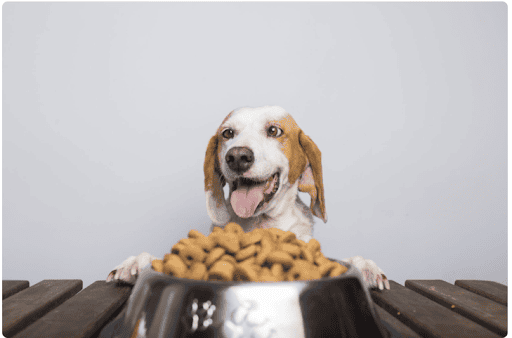
Britain spends close to £10 billion a year on its pets, and the way that money is spent has shifted noticeably since the pandemic. The weekly trip to the pet shop is giving way to doorstep deliveries, the annual vet visit is being joined by a video call, and the dog bed in the corner now competes with a treat dispensing camera. Some of this is marketing. Some of it genuinely makes animals healthier and owners’ lives easier. Here is what is actually sticking.
Food on Subscription
The biggest change is the most mundane. Owners are setting up repeat deliveries for food, litter and flea treatment, then forgetting about them. Retailers love the predictable revenue and typically knock five to ten percent off in return. For owners, the appeal is never running out and never carrying a 12 kilogram sack up three flights of stairs.
The model has spread well beyond the UK. Online pet shop https://petworld.co.za/ in South Africa now runs subscribe and save schemes alongside click and collect from physical stores, which shows how quickly the hybrid approach has become standard wherever people own pets. The lesson for British shoppers is to compare the subscription price with the one off price per kilo before committing, because the discount is not always as generous as the banner suggests.
Vets on Video
Video consultations were an emergency measure in 2020 and have since become a normal first step. A vet can look at a rash, assess a limp or talk through a change in appetite over a call, then decide whether the animal needs to come in. Several pet insurers now include unlimited video consultations in their policies, which removes the temptation to wait and see when something looks slightly off.
The limits are obvious. Nobody can palpate an abdomen through a screen, and anything involving blood, breathing or a suspected poisoning still means a physical visit. Used sensibly, though, remote triage saves owners a wasted trip and gets genuinely sick animals seen faster.
Food That Looks Like Food
Fresh cooked, gently steamed and freeze dried diets have moved from niche to mainstream. The pitch is simple, with recognisable ingredients, fewer fillers and portions matched to the individual animal’s weight. Prices are two to four times those of a good quality kibble, so most owners end up mixing, using fresh food as a topper over a dry base.
Alongside the food itself, the bowl has had a redesign. Slow feeders, which force a dog to work around ridges and mazes, have become common enough that slow feeder dog bowls are now a product category in their own right rather than a vet’s special recommendation. For dogs that inhale their dinner in thirty seconds, they reduce bloat risk and stretch a meal into something closer to a proper activity.
Cameras, Trackers And the Data They Produce
A GPS collar for a cat that roams, a camera that lets you talk to the dog from the office and a smart feeder that logs every meal all sound like gadgets for the sake of it. In practice, the useful part is the record they keep. Owners can show a vet exactly how much the cat ate last week or how far the dog walked, which turns a vague “he seems a bit quieter” into something measurable.
The downside is cost and clutter. Most of these devices need a subscription of their own, and a household can end up paying for four separate apps. Pick the one that answers a real question about your animal and skip the rest.
Insurance That Is Finally Being Read
Vet bills have risen sharply, and a cruciate ligament repair now routinely tops £4,000. That has pushed owners to look harder at what their policy actually covers. Lifetime cover, which renews the annual limit every year, is replacing the cheaper time limited policies that stop paying for a condition after twelve months. It costs more up front
