
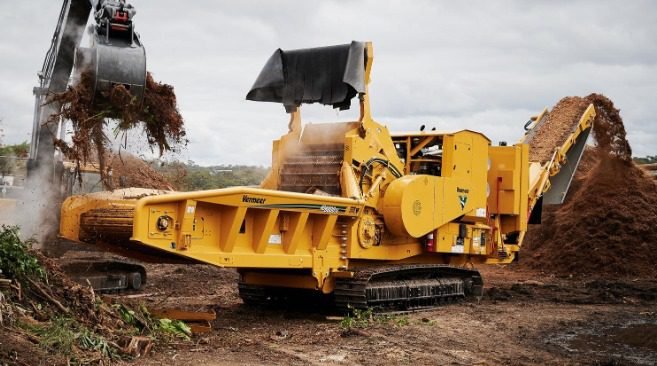
Wood recycling equipment plays a critical role in forestry, land clearing, biomass processing, and waste management operations. However, machines such as tub grinders and horizontal grinders often work under heavy loads, processing tough materials for long hours. Over time, continuous impact and abrasion can reduce cutting performance, increase energy consumption, and slow down production. Even high-quality equipment may lose efficiency when its wear components are not properly maintained or replaced. Choosing the right wear parts based on your machine type and application is an effective way to improve productivity, reduce downtime, and maintain consistent processing performance. With the right components, you can help your wood recycling equipment operate more reliably and achieve better long-term results.
How Wear Parts Influence Wood Recycling Equipment Efficiency
The efficiency of your wood recycling equipment depends on how well its cutting and grinding components perform. When wear parts are designed for your application and maintained properly, they can help your machine operate more smoothly and reduce unnecessary production losses.
Key benefits include:
- Better cutting performance: Sharp and durable components allow grinders to process wood waste more effectively with less effort.
- Higher production efficiency: Proper wear parts help maintain stable output and reduce interruptions caused by frequent replacements.
- Lower operating costs: Efficient cutting reduces excessive energy consumption and prevents additional stress on the machine.
- More consistent material quality: Well-maintained components help produce uniform processed materials for recycling and biomass applications.
Key Wear Parts That Affect Grinding Efficiency
Different components work together to maintain the performance of wood recycling equipment. When these parts become worn or damaged, they can affect cutting efficiency, material output, and overall machine productivity. Understanding the role of each wear component helps you choose suitable replacements and maintain reliable operation.
1. Blades
Blades are one of the most important cutting components in wood processing equipment. They are responsible for breaking down logs, branches, and other wood waste into smaller materials. During continuous operation, blades experience heavy impact and abrasion, which can gradually reduce cutting performance.
Choosing suitable wood shredder blades based on the material being processed and operating conditions can help maintain efficient cutting, reduce energy consumption, and improve production consistency.
2. Grinder Tips and Teeth
Grinder tips and teeth directly contact wood materials during the grinding process, making wear resistance and impact strength essential. High-quality tips can withstand repeated impact while maintaining effective material reduction.
Using durable grinder tips helps reduce the frequency of replacements and allows your equipment to maintain stable performance during demanding recycling applications.
3. Screens
Screens play an important role in controlling the final size and quality of processed materials. A properly selected screen allows the grinder to produce consistent output for applications such as biomass processing and wood recycling.
Worn or damaged screens may lead to uneven material sizes and reduced processing efficiency, making regular inspection important for maintaining performance.
4. Hammers and Other Components
Hammers and other internal wear components also contribute to the grinding process by handling repeated impact during operation. These parts need to provide a balance of strength, durability, and wear resistance.
Regularly checking these components and replacing them when necessary can help prevent performance issues and keep your wood recycling equipment operating efficiently.
How to Choose the Right Wear Parts for Better Performance
Selecting the right wear parts is essential for getting the best performance from your wood recycling equipment. The most suitable components should match your machine, processing materials, and working conditions. Choosing based only on price may lead to shorter service life, frequent replacements, and higher operating costs over time.
Consider the following factors when selecting wear parts:
- Match Parts with Your Machine: Different tub grinders, horizontal grinders, and shredders may require different component designs. Using parts that are compatible with your equipment helps ensure proper installation, stable operation, and better processing efficiency.
- Consider Material and Hardness: Wear parts made from durable materials, such as carbide and hardened alloy steel, can provide better resistance against impact and abrasion. The right material choice helps components maintain cutting performance and extend service life in demanding applications.
- Choose Based on Your Application: The type of material you process directly affects wear part performance. Equipment handling forestry waste, demolition wood, or biomass materials may require different levels of wear resistance and durability. Selecting suitable shredder blades based on your application can help maintain consistent output and reduce unnecessary downtime.
By evaluating equipment requirements and operating conditions, you can choose wear parts that improve efficiency, reduce maintenance needs, and support long-term equipment performance.
The following factors can help you make a more informed decision and choose components that support better grinding efficiency and longer service life.
| Selection Factor | Why It Matters | Recommended Approach |
| Machine Compatibility | Incorrect parts may affect installation, operation stability, and grinding efficiency. | Choose wear parts designed for your specific tub grinder, horizontal grinder, or shredder model. |
| Material Quality | Different materials provide different levels of wear resistance and impact strength. | Select components made from durable materials suitable for heavy-duty applications. |
| Hardness and Durability | Proper hardness helps parts withstand continuous abrasion and impact. | Consider wear resistance requirements based on your working conditions. |
| Processing Material | Wood waste, logs, branches, and biomass materials create different wear patterns. | Choose parts based on the type of material your equipment processes most often. |
| Operating Conditions | Long working hours and high-load operations can accelerate component wear. | Select reliable wear parts that can maintain performance in demanding environments. |
Maintenance Practices to Maximize Wear Part Efficiency
Choosing the right wear parts is only the first step in improving wood recycling equipment efficiency. Proper maintenance also plays an important role in helping components deliver better performance and longer service life. By monitoring wear conditions and taking action at the right time, you can reduce unnecessary downtime and avoid unexpected equipment issues.
To maximize the value of your wear parts, consider the following practices:
- Inspect Components Before Failure: Regularly check blades, grinder tips, screens, and other wear components for signs of damage or excessive wear. Early inspection allows you to identify potential problems before they affect production efficiency.
- Replace Worn Parts on Time: Continuing to operate with severely worn components can reduce cutting performance and increase stress on other machine parts. Scheduled replacement helps maintain stable operation and prevents costly downtime.
- Monitor Equipment Performance: Changes in output quality, processing speed, vibration, or energy consumption may indicate that wear parts need attention. Monitoring these signs helps you determine when maintenance or replacement is required.
With proper maintenance practices, your selected wear parts can perform more effectively and support consistent grinding efficiency throughout daily operations. This approach not only extends component life but also helps your wood recycling equipment achieve more reliable long-term performance.
Conclusion
Improving the efficiency of wood recycling equipment requires a practical approach that combines proper component selection, suitable operating practices, and ongoing equipment care. As recycling demands continue to grow, businesses need solutions that help maintain productivity while controlling maintenance costs. Working with reliable wear part suppliers and selecting components designed for specific applications can provide greater confidence in daily operations. With the right support, your equipment can better handle demanding recycling environments and deliver consistent performance over time.
