
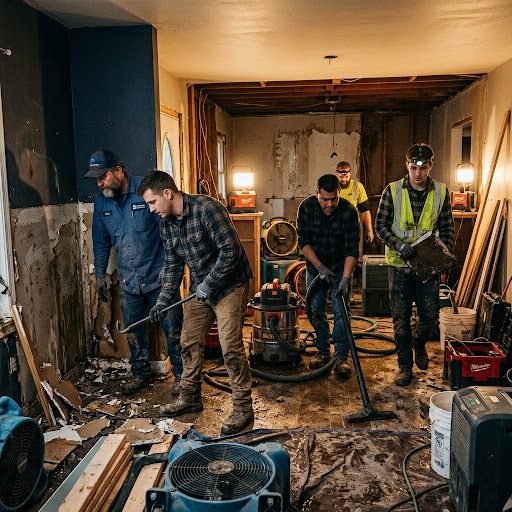
Disasters don’t wait for a convenient moment. A burst pipe at midnight, a kitchen fire on a Sunday afternoon—these events arrive without warning and leave behind more than just visible damage. Water seeps into walls, floors, and structural beams. Fire leaves smoke and soot that penetrate far deeper than what the eye can see. What happens in the hours and days after the damage determines whether a property fully recovers—or suffers long-term consequences.
That’s exactly why professional restoration services exist, and why choosing the right team matters more than most people realize.
What Makes Water Damage So Destructive to Properties?
Water damage ranks among the most deceptive threats a property can face. On the surface, it might look like a wet floor or a stained ceiling. Beneath that surface, moisture is already working its way into subfloors, insulation, drywall, and wooden framing. Within 24 to 48 hours, mold can begin to develop in damp, poorly ventilated areas—creating an entirely new problem on top of the original one.
The damage compounds quickly. What starts as a small leak can result in warped flooring, weakened structural supports, and compromised air quality across the entire building. Standard drying methods—fans, towels, open windows—are rarely sufficient for anything beyond surface-level spills. Effective water damage restoration requires industrial-grade equipment: commercial dehumidifiers, thermal imaging cameras to locate hidden moisture pockets, and moisture meters to track drying progress at every stage.
Professional restoration teams also document everything. This matters enormously when dealing with insurance claims, where thorough records can be the difference between a full payout and a disputed one.
How Fire Damage Restoration Goes Beyond Cleaning Up Ash
A fire may be extinguished in minutes, but the restoration process that follows can span days or weeks. Structural damage is the most obvious concern—burned beams, collapsed ceilings, scorched walls. But fire damage brings two additional challenges that are just as serious: smoke damage and water damage from firefighting efforts.
Smoke travels through HVAC systems, infiltrates walls, and coats surfaces with a residue that causes ongoing odor and corrosion if not properly treated. Soot particles are acidic; left untreated, they continue degrading metal fixtures, fabrics, and painted surfaces long after the fire is out. Odor removal requires more than surface cleaning—it requires neutralizing smoke molecules at a chemical level using techniques like thermal fogging and ozone treatment.
Then there’s the water. Firefighting leaves behind significant moisture throughout the property, which needs to be addressed with the same urgency as any flood event. This overlap between fire and water damage is exactly why restoration specialists—not general contractors—are the right call after a fire.
The Restoration Process: What Happens From Start to Finish?
Restoration isn’t a single task. It’s a coordinated sequence of assessments, actions, and quality checks that move a damaged property from crisis to recovery.
Initial Assessment and Damage Documentation
Before any work begins, a thorough inspection identifies all affected areas—visible and hidden. This includes moisture mapping for water damage and structural integrity checks for fire damage. Detailed documentation is created for insurance purposes.
Emergency Stabilization
For water damage, this means stopping the source and beginning water extraction immediately. For fire damage, it may involve boarding up openings, tarping the roof, and securing the structure against weather exposure.
Drying, Cleaning, and Deodorization
Industrial drying equipment runs continuously until moisture readings confirm the property has returned to safe levels. Smoke-affected surfaces are cleaned using specialized techniques and products. Odors are treated at the source, not just masked.
Restoration and Rebuilding
Once the property is clean, dry, and stabilized, structural repairs begin. This stage brings everything back to pre-damage condition—or better. Flooring, drywall, cabinetry, and finishes are restored with precision.
Throughout every phase, communication with the property owner and their insurance provider remains a priority. A good restoration team doesn’t just do the work—it keeps everyone informed and the process moving efficiently.
Why Speed and Expertise Are the Two Non-Negotiables in Restoration
Every hour of delay increases the extent of damage. Mold establishes itself quickly in water-damaged spaces. Smoke residue becomes harder to remove the longer it sits. Structural materials weaken progressively when left saturated or compromised.
Speed matters—but speed without expertise creates a different set of problems. Improper drying techniques trap moisture inside walls, setting the stage for mold growth weeks later. Inadequate smoke treatment leaves behind odors and chemical damage that resurface over time. Restoration done incorrectly often requires redoing, at greater cost and disruption.
This is why certification, experience, and equipment all play a role in the quality of a restoration outcome. Industry certifications from bodies like the Institute of Inspection, Cleaning and Restoration Certification (IICRC) signal that a team has been trained to meet established standards for water, fire, and mold remediation.
Restoring What Matters Most After Disaster Strikes
When a property has been damaged by water or fire, the path forward can feel overwhelming. The damage is real, the disruption is significant, and the decisions made in those early hours carry lasting consequences. Having a skilled, reliable restoration team on your side changes everything about that experience.
Atex Restoration is a restoration service that brings together specialized expertise, advanced equipment, and a commitment to full recovery — giving property owners and businesses the confidence that every stage of the restoration process is handled with precision, from emergency response all the way through to the final rebuild.
Whether the damage comes from a burst pipe, a flooded basement, or a fire that swept through multiple rooms, professional restoration services deliver something beyond clean walls and dry floors. They restore safety, structure, and peace of mind.
Frequently Asked Questions
How quickly should water damage be addressed after it occurs?
Water damage should be addressed within 24 to 48 hours to prevent mold growth and minimize structural damage. The sooner professional extraction and drying begins, the better the outcome.
Can fire-damaged properties be fully restored?
Yes, in most cases. With the right restoration approach—covering structural repairs, smoke treatment, odor neutralization, and water damage from firefighting—properties can be returned to their pre-loss condition.
Does professional restoration help with insurance claims?
Absolutely. Professional restoration teams document all damage thoroughly, which supports the insurance claims process and helps ensure accurate reimbursement.
What’s the difference between restoration and general repair contractors?
Restoration specialists are trained and certified specifically in damage recovery—including moisture science, smoke chemistry, and structural drying. General contractors may handle the rebuilding phase, but they typically lack the equipment and expertise for the technical remediation work that comes first.
