
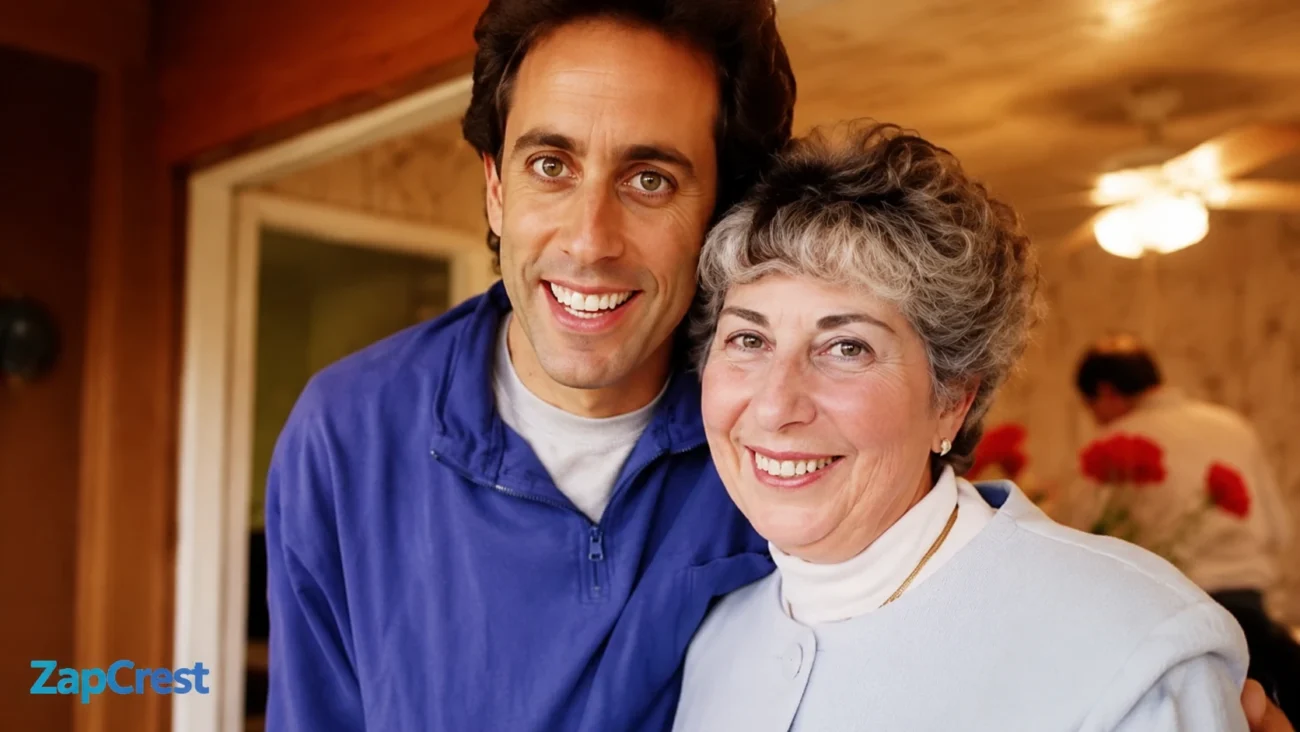
In a quiet Long Island home, laughter was always present, even if the walls weren’t plastered with cameras or headlines. Betty Seinfeld, mother of Jerry Seinfeld, cultivated the household where one of America’s most meticulous comedians first learned to notice life’s little absurdities. She rarely sought the spotlight herself, yet her influence resonates through the humor, timing, and sensibilities that defined her son’s career. Understanding Betty Seinfeld is about tracing a life behind a famous name—a life shaped by family, culture, and ordinary domestic rhythm that quietly laid the foundation for a comedic legacy.
Early Life and Family
Betty Seinfeld was born in the mid-1910s, with sources citing either 1915 or 1917, into a Syrian Jewish family with roots in Aleppo. Her birth name is recorded in various forms—Hesney, Hosni, or Husney—reflecting transliteration differences common among early 20th-century immigrant families. Her parents, part of the wave of Syrian Jews migrating to the United States, brought with them traditions, language, and religious observances that would color her upbringing and, indirectly, the household she would later nurture. Family records suggest that Betty faced early hardships, including the impact of the 1918 influenza pandemic, which affected her family deeply and shaped the resilience she carried throughout her life.
Growing up in Brooklyn, New York, Betty navigated both immigrant identity and the challenges of assimilating into American society while maintaining her cultural heritage. Her formative years were influenced by a close-knit community where faith, familial duty, and social networks were central. These early experiences cultivated a sense of responsibility and resourcefulness that would later define her role as a mother and homemaker.
Marriage and Domestic Life
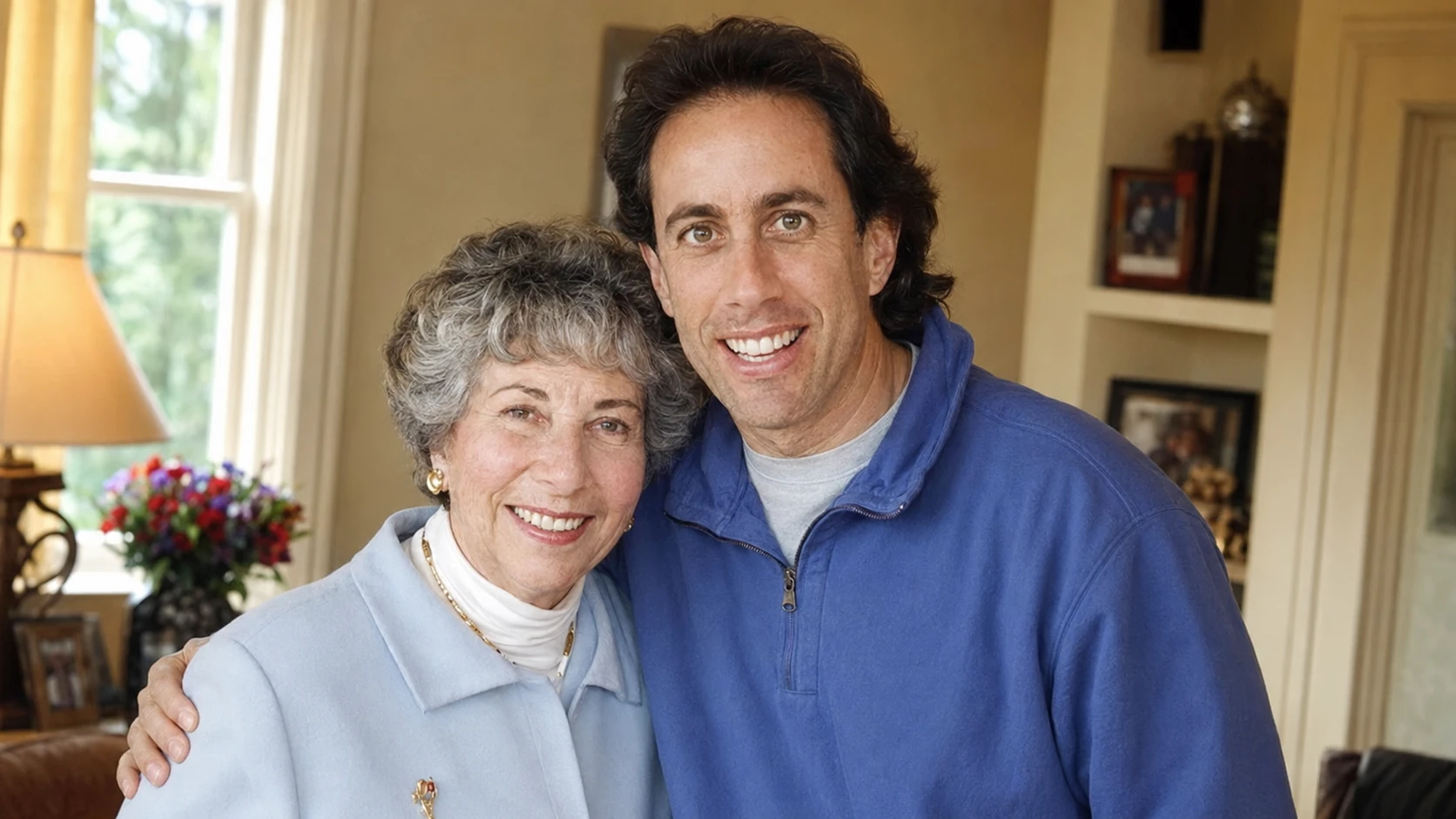
Betty married Kalman Seinfeld, a sign maker and small business owner of Central and European Jewish descent. Their union represented a blending of two distinct Jewish cultural backgrounds—Syrian and Eastern European—which enriched the household environment. Together, they raised two children, Carolyn and Jerry, in Massapequa, Long Island, after moving from Brooklyn. This suburban life, grounded in ordinary routines and family traditions, provided a structured environment where humor and storytelling were naturally valued.
As a homemaker, Betty managed the daily rhythms of the household, balancing domestic responsibilities while supporting her husband’s small business. Sources describe her as an attentive and loving parent who encouraged curiosity, wit, and independence in her children. While Kalman’s work involved public-facing creativity in sign-making, Betty’s influence was more subtle but equally significant, shaping the emotional and cultural backdrop of the family home.
Influence on Jerry Seinfeld
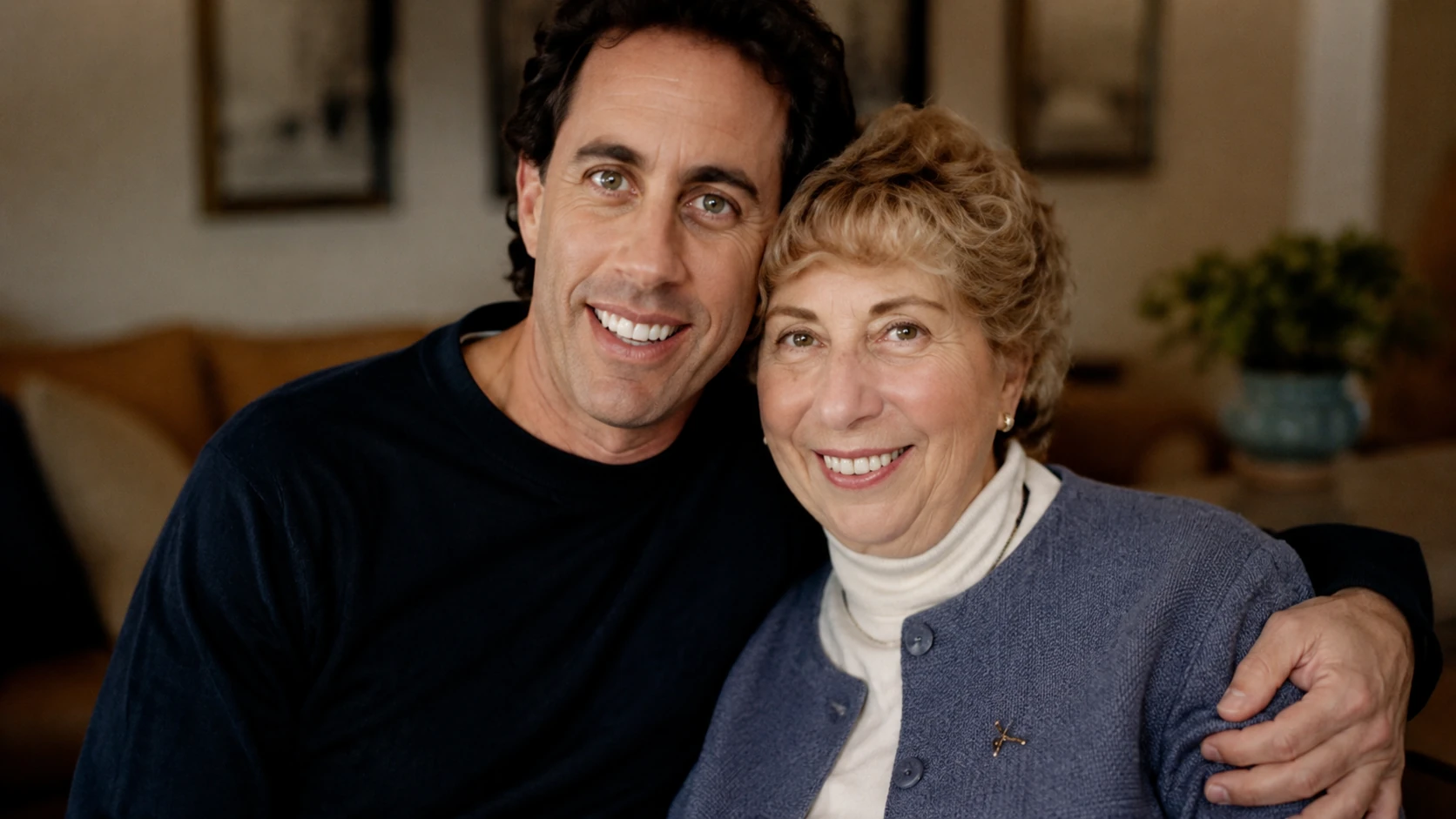
Although Betty Seinfeld did not work in entertainment, her role in fostering a sense of humor and observational awareness in her children has been noted in biographical accounts of Jerry Seinfeld. Jennifer Keishin Armstrong’s Seinfeldia reports that both Betty and Kalman encouraged humor as a valued household skill, cultivating an environment in which Jerry could observe the quirks and oddities of daily life. These early lessons in timing, irony, and attention to detail contributed to the distinctive observational style that would later define his comedy career.
Family anecdotes highlight Betty’s practical approach to parenting and humor. One story recalls that she once removed the family television to limit young Jerry’s screen time, yet he continued to find ways to watch shows elsewhere. This small but telling moment illustrates a household where everyday circumstances became a source of amusement and reflection—a dynamic that would echo in Jerry’s material years later.
Heritage and Cultural Background
Betty Seinfeld’s Syrian Jewish roots are a key component of her family identity. Her maternal grandparents emigrated from Aleppo, bringing Sephardi Jewish traditions and community practices to the United States. This heritage informed her values, household norms, and social outlook, creating a cultural framework that emphasized family loyalty, education, and resilience. The Seinfeld household was therefore a confluence of Syrian and Eastern European Jewish traditions, blending customs, languages, and religious observances that shaped the children’s upbringing.
This multicultural family environment also provided Jerry with a rich tapestry of observations about human behavior, social etiquette, and cultural idiosyncrasies. The intergenerational exchange of humor, storytelling, and family rituals offered him a subtle yet lasting education in the rhythms of everyday life that he would later translate into stand-up comedy and television narratives.
Life in Long Island
The Seinfeld family’s move to Massapequa marked a transition from urban Brooklyn to suburban life. Betty oversaw a household that balanced ordinary domestic concerns with the cultural continuity of her heritage. She created a home where humor, careful observation, and practical resourcefulness coexisted, offering a steady environment amid the changing postwar American landscape.
In Massapequa, Betty raised her children within the framework of a supportive but disciplined household. She ensured that education, social responsibility, and cultural identity were maintained, providing a stable foundation that allowed her son to pursue his interests in comedy without undue pressure or interference. Her parenting style reflected both warmth and a sense of pragmatism, offering guidance while allowing space for exploration.
Public Perception and Private Life
Despite her son’s fame, Betty Seinfeld maintained a remarkably private life. She did not seek media attention, publish memoirs, or participate in celebrity interviews. Her presence in public records and biographies is largely connected to her role as Jerry Seinfeld’s mother, yet the details that do exist reveal a woman deeply invested in her family and community.
One common misconception arises from conflating Betty Seinfeld with Helen Seinfeld, the fictional mother character portrayed by Liz Sheridan on the television show Seinfeld. While the character drew inspiration from the family environment, Betty herself did not appear on the show, and her personality remained largely private, observed only through the reflections and anecdotes of her son and biographers.
Later Years and Legacy
Kalman Seinfeld passed away in 1985, leaving Betty to live several decades as a widow. She witnessed her son’s rise to international fame and the enduring success of his television show, yet she did so from a position outside the limelight. Reports indicate that she lived into her late 90s, passing away in 2014, and she continued to be remembered as a figure of warmth, resilience, and understated influence within the family.
Her legacy is both personal and cultural. Betty Seinfeld’s life represents the experience of immigrant families navigating American society in the 20th century, the preservation of cultural identity across generations, and the subtle ways in which parental guidance can shape a child’s perspective and ambitions. Though she remained out of the public eye, her influence is evident in the humor, discipline, and worldview that Jerry Seinfeld credits to his upbringing.
Cultural and Historical Context
Betty Seinfeld’s life exemplifies the broader narrative of Syrian Jewish immigrants in America. Families like hers contended with the challenges of displacement, adaptation, and integration into American society while maintaining connections to heritage and faith. The values she carried—family cohesion, attention to detail, and resilience—were mirrored in the suburban American experience and provided a foundation for the next generation to pursue opportunities in various professional and creative fields.
Her story is also a reminder of the often-invisible contributions of women who manage family life and nurture talent without public recognition. While biographical attention frequently focuses on Jerry Seinfeld’s achievements, Betty’s influence underpinned the environment that made those achievements possible, making her an essential figure in understanding the personal history behind a public career.
Frequently Asked Questions
Who was Betty Seinfeld?
Betty Seinfeld was the mother of comedian Jerry Seinfeld and wife of Kalman Seinfeld. She was a homemaker of Syrian Jewish descent, who raised two children in a supportive and culturally rich household.
What was Betty Seinfeld’s maiden name?
Her maiden name appears in public records and biographical sources as Hesney, Hosni, or Husney. Variations reflect transliteration differences common among immigrant families in early 20th-century America.
When did Betty Seinfeld die?
Betty Seinfeld passed away in 2014. Sources cite her birth year as either 1915 or 1917, placing her age at death in her late 90s, though exact records vary.
Was Betty Seinfeld ever on the show Seinfeld?
No, Betty Seinfeld did not appear on the television show Seinfeld. The character Helen Seinfeld, Jerry’s mother on the show, was portrayed by Liz Sheridan and was a fictionalized version inspired by the family environment.
What influence did Betty Seinfeld have on Jerry’s comedy?
While Betty did not formally teach comedy, she helped cultivate a household where humor was valued. Her home environment encouraged observation, wit, and attention to everyday details, which influenced Jerry Seinfeld’s comedic style.
What was Betty Seinfeld’s cultural background?
Betty Seinfeld was of Syrian Jewish descent, her family having emigrated from Aleppo to the United States. This heritage informed family traditions, cultural values, and the household environment in which she raised her children.
How did Betty Seinfeld live her later years?
After her husband’s death in 1985, Betty lived as a widow until 2014. She remained largely private, observed through family accounts, and witnessed her son’s rise to fame without actively participating in the public spotlight.
Conclusion
Betty Seinfeld’s life was quietly remarkable. She embodied the experience of an immigrant-descended family adapting to America, balancing tradition and modernity, and providing the stability and insight that shaped her children. Her personal history intersects with larger cultural and social narratives of 20th-century Jewish American life, offering a window into the domestic origins of a major comedic career.
Her influence endures through her son’s work, not because she sought fame, but because she fostered the values, humor, and resilience that allowed talent to flourish. Betty Seinfeld’s story is a testament to the lasting impact of parental guidance, cultural continuity, and the understated power of a life lived thoughtfully and attentively in the private sphere.
