
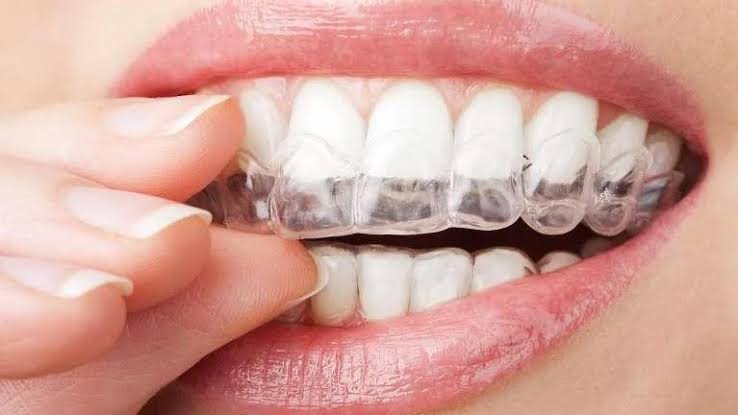
Choosing between braces and clear aligners can feel like a question of appearance: one is visible, while the other is designed to be less noticeable. But the more useful question is which approach can address your particular teeth and bite in a way that fits your daily life. Both options involve planning, regular reviews and a commitment to wearing retainers after active treatment.
An orthodontic consultation is the place to compare them. Rather than arriving with a fixed answer, bring your priorities and ask what the recommended plan is intended to achieve. The points below can help you have that conversation.
Start with the result, not the appliance
Braces and aligners move teeth using different types of force, and neither is automatically the better choice for every person. Your orthodontist will assess more than whether your front teeth look straight. They may consider how your upper and lower teeth meet, crowding or spacing, jaw relationships, gum health and any previous dental work. Records such as photographs, scans or X-rays may help them explain the options.
Ask which movements your treatment needs and whether both approaches could reasonably achieve them. Some plans may involve attachments on teeth, elastics or other aids even when aligners are used. Braces can also vary: metal and ceramic versions may differ in visibility, cost and maintenance. Understanding the proposed result makes it easier to weigh those trade-offs.
Think about what you would actually wear
Braces are fixed to the teeth. That removes the daily decision to put them back in, but it means working around brackets and wires when eating and cleaning. Hard or sticky foods may need to be avoided, depending on your clinician’s advice. You may also need an appointment if a wire or bracket causes trouble.
Clear aligners are removable, which can make meals and brushing feel more familiar. Their advantage depends heavily on wearing them as directed, often for most of the day. They must generally come out for eating, and they need to be kept clean and stored safely. If you regularly forget a mouthguard, misplace small items or snack over long periods, discuss whether that routine is realistic for you.
Neither option is maintenance-free. Both can cause temporary tenderness, and both require attention to oral hygiene. Tell your orthodontist about work, school, sport or travel patterns that might make appointments or appliance care difficult.
Ask how each option affects your everyday life
Small practical details can matter more than they first appear. If you play a contact sport, ask what mouthguard arrangement is appropriate with each appliance. If you play a wind instrument or speak publicly, ask what adjustment period you might expect. Adults may want to consider meetings, shift work or frequent meals away from home; teenagers may need a plan for managing aligners at school.
Cleaning deserves particular attention. Braces create extra places where food and plaque can collect. Aligners are removed for brushing, but putting them back over teeth that have not been cleaned can create its own problems. Your dentist or orthodontist can recommend a cleaning routine suited to your teeth and appliance. If you already have gum concerns or find flossing difficult, raise that early rather than hoping treatment will make it easier.
Clarify time, reviews and possible changes
It is reasonable to ask for an estimated treatment length, but treat it as an estimate rather than a promise. The starting position of your teeth, the movements required, how your teeth respond and your adherence to the plan can all affect progress. Aligners may need adjustments or additional sets; braces may need changes to wires or other components.
Find out how often you are likely to be reviewed and what happens if treatment is not tracking as expected. If you travel within Australia or spend extended periods away from home, ask how to handle a lost aligner, a broken appliance or a missed visit. Knowing whom to contact and what not to attempt yourself can make an unexpected problem less stressful.
Look beyond the quoted price
Cost matters, but a headline figure may not tell you what is included. Request a written breakdown for each suitable option and ask about records, review appointments, replacement aligners or repairs, refinements and retainers. Check the terms of any payment plan and, if relevant, confirm private health insurance benefits with your fund rather than assuming a particular amount will be covered.
It is also worth asking who will plan and supervise your care. A practice might describe itself by saying orthodontics is our sole focus, but that phrase alone does not explain the assessment, the proposed treatment or who you will see at reviews. Ask for those details wherever you seek care.
Questions worth taking to the consultation
- What are the main issues you recommend treating, and what would happen if I chose not to treat them now?
- Are braces and aligners both suitable for my case? If not, why not?
- Would either option require attachments, elastics, extractions or other procedures?
- What daily cleaning and wear routine would I need to follow?
- What is included in the fee, and what could cost extra?
- What type of retainer would I need afterwards, and how long would I need to wear it?
Ask your clinician to explain any unfamiliar terms and to show you which parts of the plan are certain and which may change. You should feel able to discuss a second opinion if the choice is complex or you are unsure about a proposed procedure.
Make room for the long term
The end of active treatment is not the end of care. Teeth can shift over time, so retainers are commonly part of maintaining the result, whichever appliance you choose. Discuss the likely retainer routine and replacement arrangements before you start.
A good decision is not simply the least visible or fastest-looking option. It is a treatment plan you understand, with practical demands you can meet and a clear explanation of its limits. Use the consultation to compare those demands against your priorities, then decide with your orthodontist which approach is appropriate for you.
