
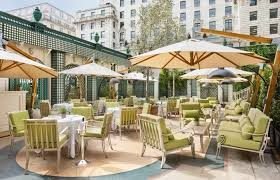
Friday night at a busy restaurant or bar is one of the most unforgiving environments furniture can be placed in. Chairs scrape across floors hundreds of times. Stools bear the weight of guests who treat them as ladders. Tables absorb spilled drinks, heavy plates, and the kind of casual abuse that accumulates invisibly until the day a leg gives way or a surface delaminates beyond recovery. The furniture that survives this environment reliably, season after season, is not the furniture that looked best in a catalogue. It is the furniture that was specified correctly from the start.
For hospitality operators in Australia, furniture procurement is one of the highest-stakes decisions in a fitout. Get it right and the investment pays dividends for years. Get it wrong and the replacement cycle begins sooner than the budget anticipated, with the added cost of disruption to a trading environment that cannot easily absorb it.
Why Hospitality Furniture Fails Prematurely
Most premature furniture failure in hospitality settings comes down to a mismatch between the product and the environment it was placed in. Residential furniture, and even some lower-grade commercial furniture, is not engineered for the volume of use a busy venue generates. The difference is not always visible at the point of purchase. It becomes apparent over the first twelve to eighteen months of operation when joints loosen, finishes deteriorate, and upholstery begins to show wear that should not appear for years.
The specific failure points vary by category. Timber chairs that have not been properly jointed and reinforced at stress points develop wobble under the repeated lateral force of guests sitting down and pushing back. Bar stools with inadequate footrest reinforcement wear through at the weld points. Upholstered seating with insufficient foam density compresses quickly under heavy use, producing a sunken appearance that makes new furniture look old within a single season.
Understanding where these failure points are, and specifying products that address them, is the difference between furniture that performs and furniture that disappoints.
The Commercial Grade Distinction
The term commercial grade is used liberally in furniture marketing, but the underlying distinction is real and important. Commercial grade furniture is engineered to meet the structural and finish standards that high-use environments demand. The joinery is designed for repetitive stress rather than occasional use. The finishes are specified for cleanability, chemical resistance, and durability under conditions that residential environments never produce.
For upholstered pieces, the fabric specification matters as much as the frame construction. Contract-grade fabrics are rated for significantly higher rub counts than residential alternatives, which directly correlates with how long they maintain their appearance under daily use. A fabric rated at 100,000 double rubs will outlast a residential equivalent many times over in a venue where seating turns over multiple times every evening.
Sourcing quality hospitality furniture from a supplier who specialises in commercial environments removes the guesswork from this specification process. The right supplier asks the right questions about trading hours, cover volumes, cleaning protocols, and the specific demands of the venue before making a recommendation rather than after a problem has emerged.
Matching Furniture to the Venue’s Operational Reality
Durability is not a single-axis consideration. A piece of furniture that performs exceptionally well in one type of venue may be entirely wrong for another, even if the two venues appear superficially similar. An outdoor rooftop bar in a coastal location needs furniture that can handle UV exposure, salt air, and the specific moisture conditions that accelerate corrosion and material degradation. An indoor dining room with heavy linen service has different requirements again.
The weight of the furniture matters for operational flow. Heavy solid timber chairs look substantial and feel premium, but in a venue where staff reset tables quickly between covers, lighter aluminium or resin alternatives reduce the physical load of service and speed up the turnover process. Neither is inherently superior. The right choice depends on what the venue is actually trying to achieve across a full trading week, not just how it photographs on opening night.
This is where the experience of a specialist supplier adds genuine value. The ability to translate operational requirements into product specifications that address them is a skill built through years of working across different venue types, trading environments, and fitout scales.
Hotel and Accommodation Environments
The durability requirements of hotel environments present their own specific challenges. Guest rooms experience a different pattern of use than restaurant or bar settings, but the volume over time is significant and the expectation of consistent presentation is high. A room that looked pristine at opening needs to maintain that standard through thousands of guest stays, housekeeping cycles, and the inevitable contact damage that accumulates in any frequently occupied space.
A well-planned hotel fitout australia wide standard recognises that the furniture selected for guest rooms needs to balance aesthetic quality with the structural and finish resilience to withstand intensive daily use. Bedside tables that absorb the impact of being bumped repeatedly, desk chairs that hold their form through years of use, and case goods finished in materials that clean easily without showing wear are all decisions that shape the long-term presentation standard of the property.
Turnkey Furniture works with hospitality operators across Australia to navigate these decisions, bringing product knowledge and project experience that reduces the risk of costly specification errors at the procurement stage.
Buying for the Long Term
The upfront cost of furniture is only one part of the financial equation. The true cost includes the replacement cycle, the disruption of re-sourcing and reinstalling during trading, and the reputational impact of a venue that begins to look tired before its time.
Operators who buy for longevity rather than initial price point consistently come out ahead over the life of the fitout. The discipline of specifying correctly at the outset, even when it costs more initially, is what separates venues that maintain their standard for a decade from those that are planning their next refurbishment within three years.
