
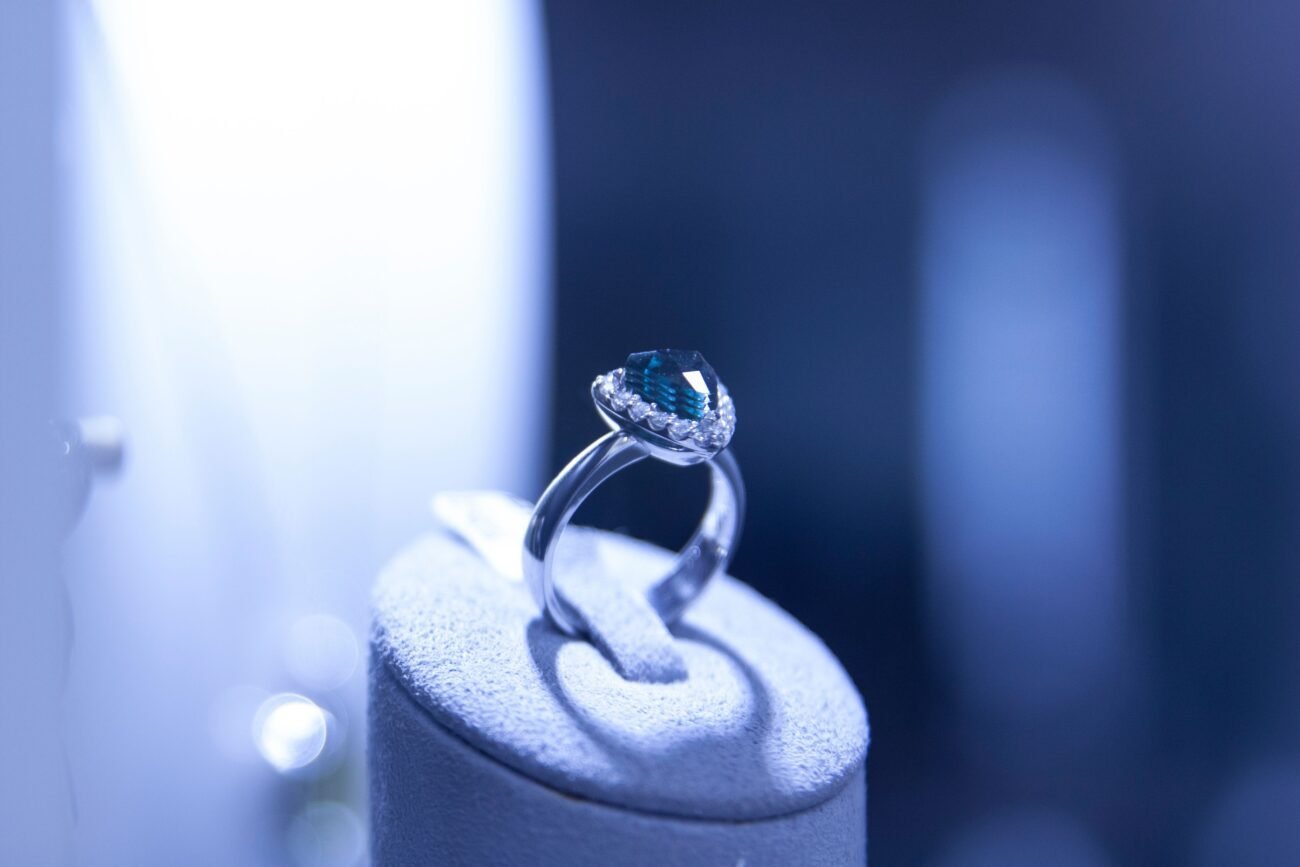
Jewellery has a unique way of transforming an outfit. A simple necklace can add elegance to everyday clothing, while a carefully chosen pair of earrings can bring a polished finish to an evening look. Whether you prefer understated accessories or more eye-catching designs, the right pieces can help express your personality without requiring a complete change to your wardrobe.
Choosing jewellery, however, involves more than following the latest trends. Factors such as comfort, versatility, materials and personal preferences all influence whether a piece becomes a lasting favourite. With so many styles available, understanding what works for your lifestyle can make shopping more enjoyable and help you build a collection you will appreciate for years.
From selecting everyday essentials to finding accessories for special occasions, a thoughtful approach allows you to enjoy jewellery that feels both practical and personal.
Finding Jewellery That Suits Your Personal Style
Personal style is often reflected in the details. The colours you wear, the fabrics you prefer and the accessories you choose all contribute to the overall impression of an outfit. Jewellery offers an easy way to experiment with these elements, allowing you to introduce texture, sparkle or contrast without changing your entire look.
If you prefer a minimalist wardrobe, simple stud earrings, delicate necklaces and fine bracelets may complement your clothing naturally. Those who enjoy more expressive fashion might gravitate towards colourful gemstones, sculptural designs or layered accessories that attract attention.
There is no single approach that works for everyone. The most important consideration is whether a piece suits your preferences and feels comfortable to wear. Jewellery should complement your personality rather than make you feel as though you need to follow someone else’s idea of style.
For example, diamond earrings can offer versatility because they are available in designs ranging from subtle studs to more elaborate drop styles. Smaller settings can complement everyday outfits, while more detailed designs may suit occasions when you want your accessories to stand out.
Before making a purchase, consider the jewellery you already own. Think about whether the new piece will work with your favourite clothing, other accessories and the occasions you attend regularly. Choosing items that complement your existing collection can make it easier to create different looks without accumulating pieces you rarely wear.
Consider the Occasion Before Choosing Accessories
Different occasions often call for different styling choices. Jewellery that works well during a busy working day may not be the same as the pieces you select for a formal celebration. Understanding the setting can help you choose accessories that feel appropriate without compromising your personal taste.
For everyday wear, comfort and practicality are particularly important. Stud earrings, lightweight hoops and simple chains can add interest to casual clothing while remaining easy to wear throughout the day. If you travel frequently or have a busy routine, designs that require minimal adjustment may be especially useful.
Professional settings often benefit from accessories that complement rather than dominate an outfit. A pair of understated earrings can work well with tailored clothing, while a simple bracelet or pendant may add a subtle finishing touch. However, workplace expectations vary, so consider the environment and dress code when making your choices.
Special occasions provide more room to experiment. Weddings, anniversaries, birthday celebrations and evening events can be opportunities to wear jewellery with distinctive details or a little extra sparkle. Statement earrings may complement a simple dress, while a delicate necklace can add interest to a neckline without overwhelming the overall look.
The goal is to create a balanced appearance. If your outfit already includes bold colours, intricate patterns or decorative details, simpler jewellery may work best. Conversely, a neutral outfit can provide an excellent backdrop for accessories with more character.
Understanding Materials and Craftsmanship
The appearance of jewellery is only one part of the decision-making process. Materials and craftsmanship also influence durability, maintenance and overall value.
Gold, silver and platinum are popular choices for jewellery, each offering a different appearance and set of practical considerations. Gold is available in several colours and purity levels, while silver provides a bright finish that suits a wide range of styles. Platinum is valued for its durability and distinctive appearance, although the best choice depends on personal preference, budget and intended use.
Gemstones introduce further variety. Diamonds are appreciated for their brilliance and durability, making them a popular choice for pieces designed to be worn on different occasions. Other gemstones can introduce colour and individuality, allowing you to select jewellery that reflects your taste or carries a particular meaning.
When comparing diamond jewellery, consider factors such as cut, colour, clarity and carat weight. These characteristics influence a diamond’s appearance and price, but they should be considered together rather than in isolation. The setting, proportions and overall design also affect how a piece looks when worn.
It is worth checking product information carefully before purchasing fine jewellery. Details about metal composition, gemstone specifications, care instructions and warranties can help you understand what you are buying.
A higher price does not automatically make a piece the right choice. Look for quality, suitable materials and a design you genuinely appreciate. Jewellery that meets your needs and fits comfortably into your lifestyle is more likely to remain a valued part of your collection.
Choosing Earrings That Complement Your Look
Earrings are among the most versatile jewellery accessories because even small changes in shape and size can influence an outfit. From simple studs to hoops and drop designs, each style offers different possibilities.
Stud earrings are a practical option for everyday wear. Their compact design makes them easy to pair with casual clothing, office outfits and more formal ensembles. Diamond studs, in particular, can provide a refined finish without requiring other accessories to match.
Hoop earrings offer a different effect. Smaller hoops can feel understated, while larger designs create a more noticeable detail. They work well with a variety of outfits, although size and weight are worth considering if you plan to wear them for extended periods.
Drop and chandelier earrings can introduce movement and visual interest. These styles may complement evening clothing or special-occasion outfits, especially when paired with simpler necklaces and bracelets. Choosing one prominent accessory can help prevent the overall look from becoming too busy.
When selecting earrings, think about comfort as well as appearance. Check the fastening, weight and materials, particularly if you intend to wear them regularly. If you have sensitive ears, suitable materials and appropriate care may be especially important.
You can also consider how earrings work with your hairstyle and neckline. Hair worn up may draw attention to longer designs, while smaller studs can provide a subtle finish when your hair is worn down. These are useful styling ideas rather than strict rules, so feel free to experiment with different combinations.
Build a Jewellery Collection That Offers Versatility
A well-planned jewellery collection does not need to contain dozens of pieces. A few carefully chosen accessories can provide plenty of options when they complement one another and suit your daily routine.
Start by identifying the styles you wear most often. If your wardrobe consists mainly of neutral colours and classic clothing, versatile metal jewellery may be a practical foundation. If you enjoy colourful outfits, you might prefer accessories that introduce contrast or complement particular shades.
Consider building your collection around a mixture of everyday essentials and occasional statement pieces. Simple earrings, a necklace you can wear regularly and a bracelet that suits different outfits can form a useful starting point. You can then add more distinctive designs when you find something that genuinely appeals to you.
Versatility is also helpful when travelling. Rather than packing jewellery for every individual outfit, select a few pieces that work with several combinations of clothing. This approach can reduce the amount you need to carry while still allowing you to create different looks.
It is equally important to avoid buying jewellery simply because it is fashionable at the moment. Trends can provide inspiration, but personal preferences tend to be more enduring. Before purchasing something new, ask whether you would still enjoy wearing it after the current trend has passed.
A considered collection allows you to make more use of the items you own while keeping your personal style flexible.
Caring for Jewellery to Maintain Its Appearance
Proper care can help preserve the appearance of jewellery and reduce unnecessary wear. Different materials require different approaches, so always check the manufacturer’s guidance before cleaning a piece.
For many types of fine jewellery, gentle cleaning with an appropriate solution and a soft cloth may help remove everyday residue. However, some gemstones, settings and metal finishes require specialist care. Avoid using harsh household chemicals or abrasive materials unless the manufacturer confirms that they are suitable.
Storage also matters. Keeping jewellery in a clean, dry place can help protect it from moisture and accidental damage. Storing individual pieces separately can reduce scratches and prevent chains from becoming tangled.
Remove jewellery when activities could expose it to knocks, chemicals or unnecessary strain. For example, household cleaning, exercise and swimming may create conditions that are unsuitable for certain pieces. Following the relevant care recommendations can help you avoid damage.
For valuable or frequently worn jewellery, periodic professional checks may be worthwhile. A jeweller can inspect settings and identify potential issues before a gemstone becomes loose or a fastening fails.
Taking these simple steps helps you enjoy your favourite pieces for longer and protects the investment you have made in your collection.
Choose Jewellery That Feels Meaningful
Jewellery can hold significance beyond its appearance. A necklace received as a gift, earrings chosen to celebrate a milestone or a ring passed down through a family can carry memories that make the piece especially meaningful.
These emotional connections often influence which items become favourites. While trends may change, jewellery associated with important experiences can remain relevant because of what it represents.
When choosing a new piece, consider whether it reflects your personality, marks a special occasion or fills a practical gap in your collection. There is no need to justify every purchase through sentiment, but selecting jewellery with intention can make the experience more rewarding.
Ultimately, good jewellery choices come down to a balance of style, comfort, quality and personal meaning. By considering your lifestyle, choosing versatile designs and caring for the pieces you own, you can build a collection that suits a range of occasions.
Whether you prefer simple everyday accessories or more distinctive designs for celebrations, the best jewellery is the kind that makes you feel comfortable and confident. Rather than following every new trend, focus on pieces that complement your wardrobe and reflect who you are.
