
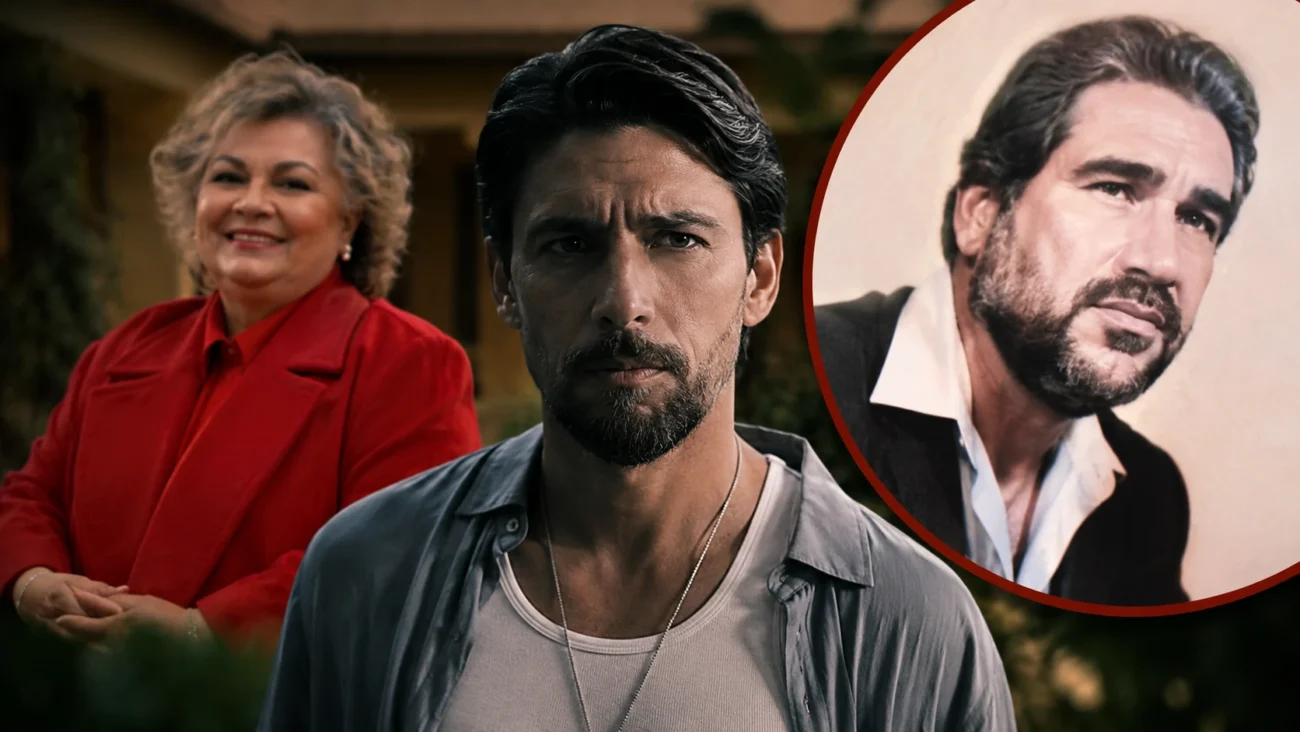
Darío Sepúlveda is remembered less for a public career than for the dangerous world he entered through Griselda Blanco, the Colombian trafficker later known as the “Godmother of Cocaine.” To many viewers, he is simply “Dario from Griselda,” the man played by Alberto Guerra in Netflix’s dramatized series about Blanco’s rise in the Miami cocaine trade. But behind the screen character was a real man: Blanco’s third husband, the father of her youngest son, Michael Corleone Blanco, and a figure whose death became part of the dark mythology surrounding her name.
The difficulty with Darío’s story is that the public record is thin. He was not a politician, artist, athlete, or businessman who left behind interviews, archives, or a clear professional paper trail. Most of what is known about him comes through reporting on Blanco, accounts of her family, and later true-crime retellings. That means the honest biography of Dario Griselda must begin with caution: some facts are widely accepted, while many personal details remain uncertain.
What is clear is that Darío Sepúlveda lived close to one of the most violent criminal economies of the late twentieth century. His marriage to Blanco placed him inside a world where love, control, money, fear, and revenge were often impossible to separate. His life ended in 1983 in Colombia, reportedly after his relationship with Blanco had broken down and after he had taken their son away from her. The allegation that Blanco arranged his killing has followed her story for decades, though careful accounts usually present it as an allegation rather than a court-proven fact.
Who Was Dario Griselda?
The phrase “dario griselda” usually refers to Darío Sepúlveda, the real-life man connected to Griselda Blanco. He was Blanco’s third husband and the father of Michael Corleone Blanco, her youngest child. He became widely searched again after Netflix’s 2024 series Griselda, which introduced him to a new audience through a dramatic portrayal. In that version, Dario is shown as violent, guarded, and emotionally tied to Blanco in ways that eventually become dangerous.
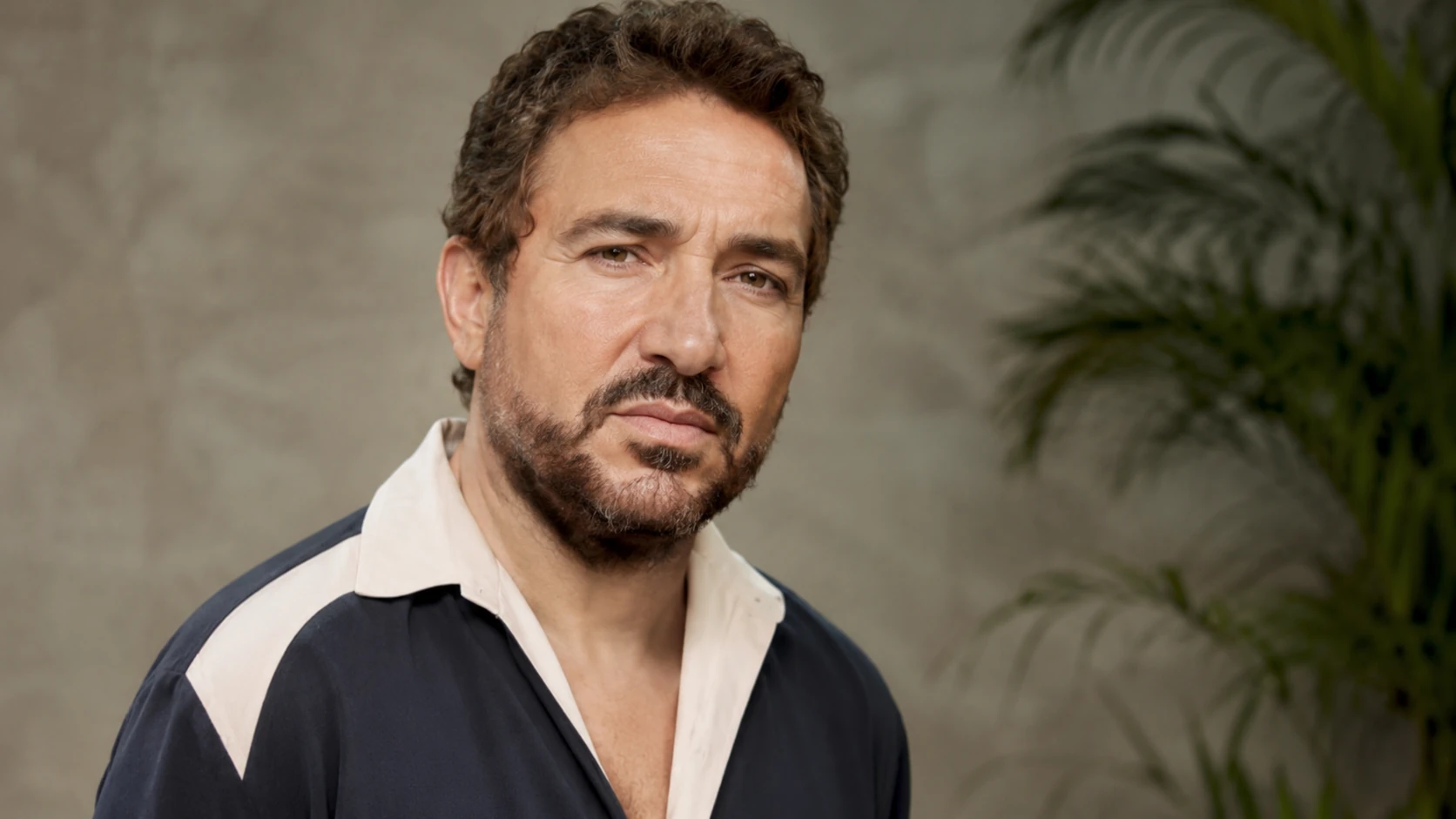
Darío was not famous on his own during his lifetime. His name survives because of his connection to Blanco, whose life has been covered in books, documentaries, crime reporting, and scripted television. Blanco’s reputation grew from her role in cocaine trafficking between Colombia and the United States, especially during the violent Miami drug era. Darío’s story sits inside that wider history rather than outside it.
Because of that, he is best understood as a supporting figure in a larger criminal biography. That does not make him unimportant. In fact, his relationship with Blanco reveals something that pure crime statistics cannot: the private cost of living inside a violent empire. His marriage, fatherhood, and death show how Blanco’s world reached directly into the home.
Early Life and Background
Darío Sepúlveda’s early life is not well documented in reliable public sources. Many online summaries attach specific claims to him, including details about his birth, upbringing, and early criminal activity, but much of that material is repeated without strong evidence. A responsible account should not pretend that every part of his childhood is known. The safest conclusion is that Darío’s public biography begins only when he enters the story of Griselda Blanco.
He is generally described as Colombian and connected to the same criminal circles that surrounded Blanco. Some accounts call him a hitman or assassin, while others describe him more broadly as an associate from the drug world. Those descriptions fit the way he appears in later retellings, but the details of his work remain far less clear than Blanco’s documented criminal history. Unlike Blanco, he did not leave behind a long trail of arrests, court cases, and public records that can be easily checked.
This lack of documentation matters because Darío is often treated as if he were a fully known figure. He was not. His parents, education, childhood home, and early ambitions are not firmly established in the mainstream record. What survives is not the story of a young man growing into public life, but the story of a man pulled into history by marriage, fatherhood, and violence.
Meeting Griselda Blanco
Darío Sepúlveda appears in Blanco’s life after she had already lived through two earlier marriages. Her first husband was Carlos Trujillo, with whom she had three sons: Dixon, Uber, and Osvaldo. Her second husband was Alberto Bravo, a trafficker whose relationship with Blanco became part of the violent legend around her rise. By the time Darío entered the picture, Blanco was no ordinary spouse or mother; she was already tied to a criminal enterprise that crossed borders.
The exact circumstances of how Darío and Griselda met are not firmly documented. True-crime accounts often place him near her criminal network, and dramatized versions present him as a man useful to her because of his capacity for violence. What can be said with more confidence is that their relationship became personal and serious enough to lead to marriage. It also produced one of the most recognizable names in the Blanco family story.
Darío’s connection with Blanco was never just romantic in the ordinary sense. Any man close to her was also close to her business, her enemies, and her reputation for retaliation. In that world, marriage did not offer safety. It often brought a person deeper into the same dangers that surrounded money, loyalty, and betrayal.
Marriage to Griselda Blanco
Darío Sepúlveda is widely identified as Griselda Blanco’s third husband. Their marriage followed Blanco’s relationships with Carlos Trujillo and Alberto Bravo, both of whom are also tied to the darker parts of her public story. Darío’s marriage to Blanco is important because it came during a period when she was building and defending power in the cocaine trade. It was not a quiet domestic chapter separate from crime.
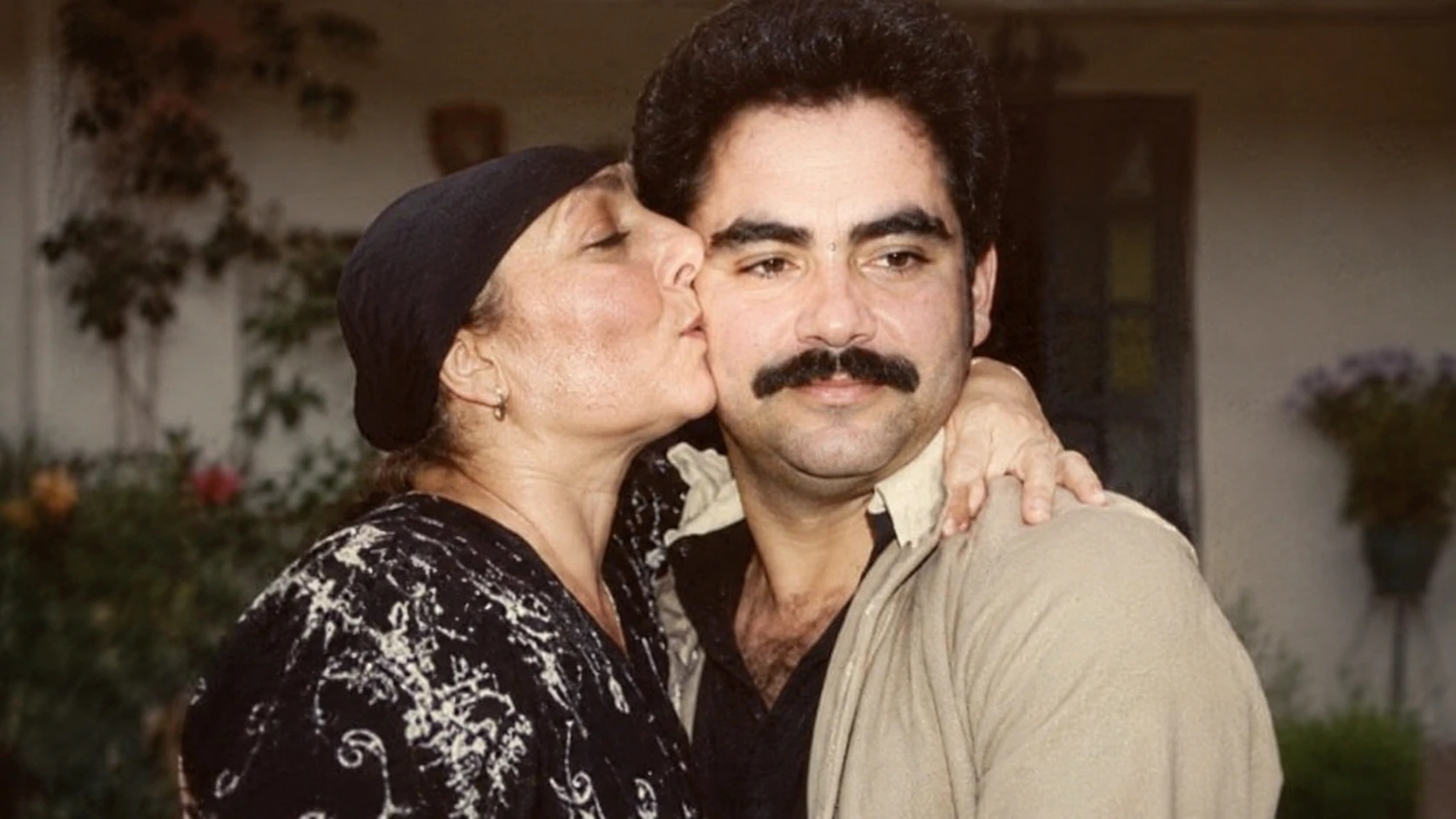
Accounts of their marriage tend to focus less on romance and more on control. Blanco has often been described as possessive, suspicious, and ruthless toward anyone she believed had crossed her. Darío, from the available accounts, was not merely a passive figure in her life. He was remembered as someone close enough to challenge her, especially over their son.
Their marriage also helped strengthen Blanco’s later “Black Widow” image. The nickname came from the widely repeated belief that the men closest to her often died violently or suspiciously. Whether every allegation attached to that nickname can be proved in public records is another matter. Still, Darío’s death became one of the central reasons the name followed her.
Fatherhood and Michael Corleone Blanco
Darío and Griselda had one son together, Michael Corleone Blanco. His name is one of the most striking details in the family’s history because it was taken from Michael Corleone, the fictional mafia heir in The Godfather. That choice says a great deal about the way crime, cinema, identity, and power blurred inside Blanco’s world. It also gave her youngest son a name that would follow him for life.
Michael was born into a family already marked by danger. His older half-brothers were tied to Blanco through her first marriage, and the family lived under the shadow of her criminal reputation. Darío’s role as Michael’s father is the strongest confirmed personal detail in his biography. It is also the reason his story remained important after his death.
Many accounts say Darío eventually took Michael to Colombia after separating from Blanco. The reasons are usually described as a dispute over custody, safety, or how the child should be raised. The full private truth is difficult to verify, but the basic conflict is central to the story. If Darío tried to remove Michael from Blanco’s reach, he was challenging not only a mother but a woman feared for her willingness to punish defiance.
The Breakup and Return to Colombia
By 1983, Darío and Griselda’s relationship had reportedly broken down. The most common version of events says Darío left Blanco and returned to Colombia with their son. That move, if accurately described, would have been more than a personal separation. In Blanco’s world, taking her child away could be seen as a direct act of betrayal.
The conflict over Michael gave the breakup a much higher emotional charge. Blanco’s life was shaped by power, and motherhood was part of that identity. She was known as a trafficker and accused killer, but she was also a mother whose sons were central to her life story. A custody conflict with Darío would have touched one of the few areas where her private feelings and criminal instincts may have collided.
The return to Colombia placed Darío back in a country deeply tied to Blanco’s past and to the cocaine economy that had shaped both of their lives. It did not remove him from danger. According to the dominant account, it placed him within reach of the violence that had followed Blanco for years. What happened next turned him from a private figure into part of her enduring legend.
Death of Darío Sepúlveda
Darío Sepúlveda was killed in Colombia in 1983. Most accounts place his death in Medellín and describe it as an assassination. The story most often repeated is that gunmen killed him after he had separated from Blanco and taken Michael with him. Their son reportedly survived and was returned to his mother.
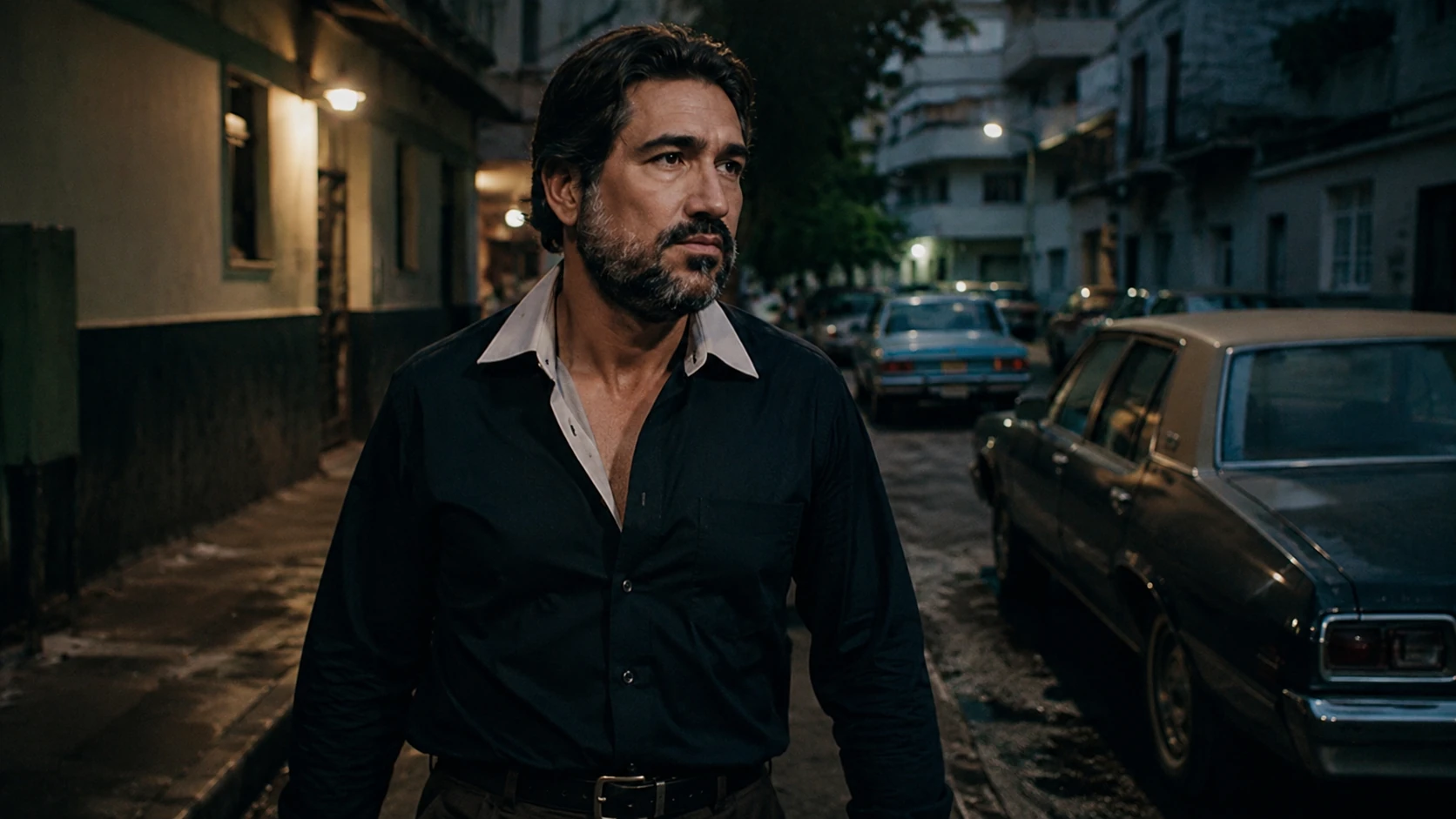
The allegation attached to the killing is that Griselda Blanco ordered or arranged it. This claim has appeared in many retellings of her life, but careful writing should treat it as an allegation unless tied to a specific court finding. Blanco was certainly convicted of serious crimes during her life, including drug charges and later murder-related pleas. But Darío’s killing is usually presented through crime reporting and biography rather than through a clean public trial record naming her as legally responsible.
Even with that caution, Darío’s death fits the reputation Blanco carried. She was widely accused of using murder as a tool of business and punishment. Her name became associated with extreme retaliation, especially against people who threatened her money, authority, or family. That is why the allegation that she had Darío killed has remained believable to many readers, even when the exact legal proof is less visible.
Dario in Netflix’s Griselda
Netflix’s Griselda brought Darío Sepúlveda back into public conversation by turning him into one of the series’ key supporting characters. Played by Alberto Guerra, Dario is introduced as a man from the violent edges of Blanco’s world. He becomes close to her, fathers her child, and eventually becomes one of the few people willing to resist her decisions. The series uses him to show how Blanco’s hunger for control damaged even her closest relationships.
The screen version should not be mistaken for a full historical record. Scripted dramas compress time, invent private conversations, and shape real people into characters who serve a story. The Dario seen on screen is based on Darío Sepúlveda, but not every scene can be verified as something that happened exactly as shown. Viewers should treat the series as a dramatization rooted in real events rather than a documentary biography.
Still, the portrayal captures one important truth about his place in the story. Darío was not simply another name in Blanco’s orbit. He was close enough to her to become family, and close enough to threaten her sense of control. That made him dramatically useful for television, but it also reflects why his real-life death remains so haunting.
Public Image and True-Crime Legacy
Darío Sepúlveda’s public image is unusual because it was created mostly after his death. During his lifetime, he was not a media figure. He did not give interviews, build a public business brand, or shape his own legacy. The world knows him through the stories told about Blanco.
That has made him vulnerable to simplification. Some retellings reduce him to “the assassin husband,” while others soften him because he is shown as a father trying to protect his child. Both portraits may contain pieces of truth, but neither should be accepted without caution. People connected to violent worlds can be both dangerous and human, both guilty of harm and capable of attachment.
His legacy also reflects the public’s continuing fascination with Blanco. She has been portrayed as a criminal mastermind, a ruthless mother, a survivor, a monster, and a pop-culture antihero. Darío’s story complicates those portrayals because it brings the violence into a family setting. His death asks readers to look past the glamor of crime storytelling and consider the people trapped inside it.
Career, Money, and Public Record
There is no credible public record of Darío Sepúlveda having a conventional career in the way readers might expect from a celebrity biography. He is not known for a profession outside his alleged ties to the criminal world and his relationship with Blanco. Some sources describe him as a hired killer or criminal associate, but exact details about his income, rank, or independent operations are not firmly established. For that reason, any precise description of his “career” should be treated carefully.
There is also no reliable public estimate of Darío’s personal net worth. Because he was connected to Blanco’s world, some readers assume he must have had access to significant drug money. That may be reasonable as a broad assumption, but it is not the same as a documented financial figure. No serious profile should invent a net worth for him or present guesswork as fact.
Blanco herself was often described as enormously wealthy during the height of her trafficking power. Estimates attached to her fortune vary widely, and many are difficult to verify because criminal wealth is hidden, laundered, seized, spent, or lost. Darío may have benefited from proximity to that world, but the scale of his own assets remains unknown. The honest answer is that his money cannot be reliably measured from available public information.
Relationship With the Blanco Family
Darío’s most important family tie was to Michael Corleone Blanco. Through Michael, Darío remained connected to the Blanco story long after his death. Michael later became the most visible surviving child of Griselda Blanco, appearing in media and speaking publicly about his family’s past. His life shows how the consequences of his parents’ world continued into a new generation.
Darío was also connected, through marriage, to Blanco’s older sons. Those sons were part of a family shaped by violence, prison, and criminal reputation. Several accounts of the Blanco family describe tragedy following her children as they grew older. The family history is marked not only by wealth and notoriety but by repeated loss.
Because Darío died when Michael was young, his direct influence on his son’s life was cut short. What remained was his absence, his name, and the story of how he died. For Michael, that history became part of a complicated inheritance. He was not only Griselda Blanco’s son; he was also Darío Sepúlveda’s son, carrying the memory of a father whose life was overshadowed by his mother’s legend.
What Is Known and What Remains Unclear
The strongest facts about Darío Sepúlveda are limited but meaningful. He was Griselda Blanco’s third husband. He was the father of Michael Corleone Blanco. He died in Colombia in 1983, and the widely repeated allegation is that Blanco was behind his killing. These points form the backbone of his public biography.
Much else remains unclear. His birth date, early home, education, parents, and independent criminal history are not firmly established in the most reliable public record. Some articles fill those gaps with confident-sounding details, but confidence is not proof. The absence of documentation should be visible in any serious account.
This does not make Darío unworthy of a biography. It simply changes the kind of biography that can be written. His story is not a full cradle-to-grave record of achievement, work, and public identity. It is a focused life story about a man whose fate reveals the human damage around one of the most feared traffickers of her era.
Why Dario Griselda Still Matters
Dario Griselda still matters because his story helps readers understand Griselda Blanco beyond the usual headlines. The public often remembers Blanco through nicknames, body counts, drugs, money, and dramatic violence. Darío’s life brings that story into the private sphere. He was a husband and father, not just another name attached to a crime empire.
His death also shows how the logic of criminal power can consume personal relationships. In ordinary life, a broken marriage may lead to legal fights, distance, or grief. In Blanco’s world, according to the dominant account, it ended in assassination. That difference is the heart of why her story remains so disturbing.
Modern viewers often meet Darío through entertainment, especially Netflix’s Griselda. That attention can be useful if it pushes people to ask what really happened. It can also be risky if viewers confuse polished drama with verified history. The best reading of Darío’s life sits between those extremes: he was real, his connection to Blanco was real, and the full truth of his inner life remains partly out of reach.
Frequently Asked Questions
Who was Dario Griselda in real life?
Dario Griselda refers to Darío Sepúlveda, the real-life third husband of Colombian trafficker Griselda Blanco. He was also the father of her youngest son, Michael Corleone Blanco. He became widely searched after Netflix’s Griselda, where actor Alberto Guerra portrayed a character based on him.
Was Darío Sepúlveda really married to Griselda Blanco?
Yes, Darío Sepúlveda is widely identified as Griselda Blanco’s third husband. Their marriage is one of the better-known parts of Blanco’s personal life, especially because they had a son together. The exact private details of their marriage are less clearly documented than the broad fact of their relationship.
Did Dario and Griselda have a child?
Yes, Darío Sepúlveda and Griselda Blanco had one son together, Michael Corleone Blanco. Michael is Blanco’s youngest son and later became the most publicly visible of her children. His unusual name came from Michael Corleone, the fictional character from The Godfather.
What happened to Dario from Griselda?
Darío Sepúlveda was killed in Colombia in 1983. The most repeated account says he was assassinated after separating from Blanco and taking their son Michael with him. Many accounts allege that Blanco arranged the killing, though careful reporting treats that as an allegation rather than a fully settled public-record fact.
Was Dario in Netflix’s Griselda accurate?
The Dario in Netflix’s Griselda is based on Darío Sepúlveda, but the series is a dramatization. That means real relationships and events are shaped for television through invented scenes, compressed timelines, and imagined dialogue. The broad connection to Blanco is real, but viewers should not treat every scene as literal history.
What was Darío Sepúlveda’s net worth?
There is no reliable public estimate of Darío Sepúlveda’s personal net worth. He was connected to Blanco’s criminal world, which involved large sums of drug money, but his own finances are not clearly documented. Any exact figure presented online should be treated with caution unless backed by strong evidence.
Is Darío Sepúlveda still alive?
No, Darío Sepúlveda is not alive. He died in 1983 in Colombia, reportedly in an assassination linked in many accounts to his split from Griselda Blanco. His story remains public because of his marriage to Blanco, his son Michael, and later portrayals in true-crime media.
Conclusion
Darío Sepúlveda’s life is not easy to reconstruct because he stood close to power without becoming a fully documented public figure himself. The record gives us the essential outline: he was Griselda Blanco’s third husband, Michael Corleone Blanco’s father, and a man killed in Colombia after a bitter break from one of the most feared traffickers of the cocaine era. Around that outline, there are gaps that should not be filled with invented certainty.
What makes his story powerful is not fame in the usual sense. It is the way his life shows the private damage caused by a criminal world often remembered through money and myth. Darío’s marriage to Blanco placed him in a household where love, loyalty, fear, and control were deeply tangled. His death became one more sign that violence in Blanco’s life did not stop at the edge of business.
The renewed interest in Dario Griselda says something about how people watch crime stories now. Viewers want to know what was real, who was changed for television, and what happened to the people behind the drama. In Darío’s case, the answer is sober rather than sensational. He was real, his fate was tragic, and his story remains one of the clearest reminders that the Blanco legend was built on human loss.
