
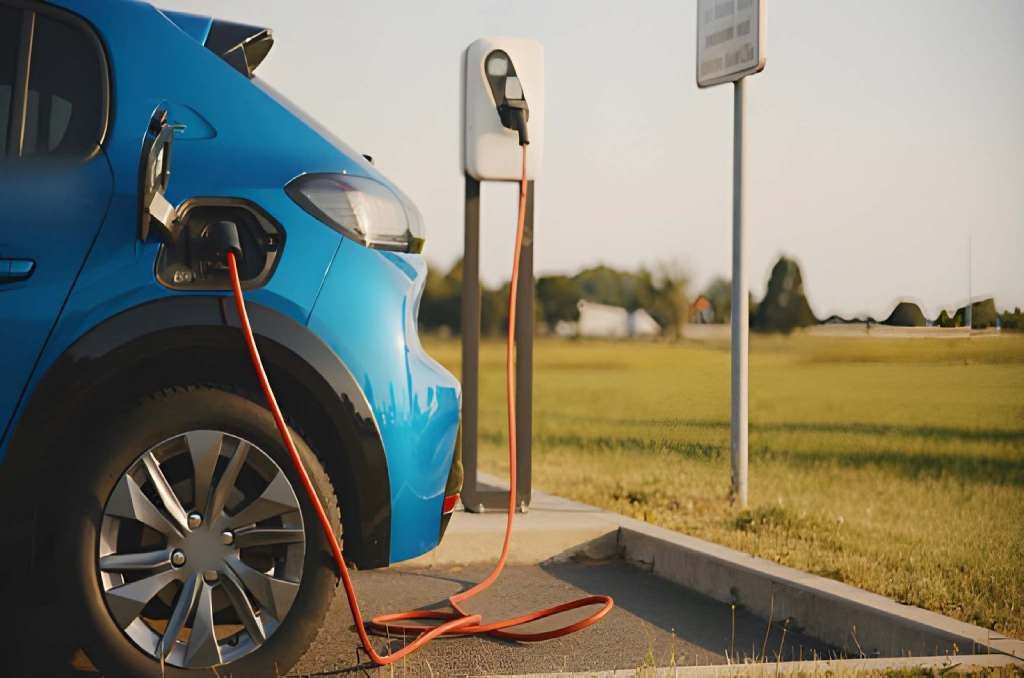
If you are thinking about buying a new ride, you have likely looked at electric cars. This simple discussion breaks down the true costs, daily benefits, and simple tips for picking your very first battery-powered drive. We will help you determine whether making the switch is the right move for your wallet and daily drive.
What is an Electric Vehicle and How Does It Work?
An electric vehicle is a car that runs entirely on battery power instead of gasoline. It replaces the traditional engine with an electric motor, allowing you to charge your car at home or a public station just like a giant smartphone.
Think of a standard gas car like a heavy lawnmower. It needs fuel, a spark, oil, and lots of moving parts to create tiny explosions that drive the wheels. An electric car is much simpler. It works just like a remote-control toy car, only scaled up for adults.
Instead of a gas tank, you have a large battery pack under the floor. Instead of a noisy engine, you have a quiet electric motor. When you press the gas pedal, power instantly zips from the battery to the motor. There are no gears to shift and no oil to change. It is smooth, fast, and silent.
Why Should You Buy an Electric Car?
Buying an electric car saves you money on fuel and reduces air pollution. These cars also require far less repair work over time because they have very few moving parts that can break.
The biggest reason people switch is to stop paying for gas. Electricity is much cheaper than fuel. Driving an electric vehicle is like switching from buying expensive bottled water every day to using a clean filter at your kitchen sink.
Electric cars now account for a massive share of new car sales worldwide. People everywhere are realizing that these cars are great for the earth and great for your budget.
Here are the top perks:
- Zero Tailpipe Pollution: You do not blow dirty smoke into the air.
- Quiet and Smooth: The cabin is as quiet as a library.
- Less Maintenance: You never need to worry about oil changes, spark plugs, or timing belts.
- Cool Tech: Most electric cars come with giant screens and the latest software features.
What is the Real Cost of Owning an Electric Car?
While an electric car costs more upfront, it saves you a lot of money over time on fuel and maintenance. Most drivers find that the long-term savings easily balance out the higher starting price.
Let us talk about money. Yes, buying an electric car can feel pricey at first. The battery packs are expensive to build, which makes the window sticker higher than that of a gas car. But once you buy it, the running costs drop fast.
Think of it like buying a very high-quality solar lamp for your yard. It costs more than a cheap plastic flashlight at the store. But the solar lamp runs on free sunlight forever, while the flashlight keeps costing you money for new batteries every month. Over a few years, the solar lamp has become the cheaper choice.
The expansion of fast-charger infrastructure has made owning these cars highly practical, reducing the hidden stress costs for drivers.
To see the exact differences, let us look at the financial math side-by-side:
| Cost Category | Traditional Gas Car | Electric Vehicle (EV) |
| Purchase Price | Lower upfront cost | Higher upfront cost |
| Fuel Expenses | High (based on fluctuating gas prices) | Very low (cheap home or public charging) |
| Oil & Filter Changes | Required every few months | Never needed |
| Brake Wear and Tear | High (pads wear down quickly) | Very low (car uses motor to slow down) |
| Long-term Value | Drops fast as parts age | Stays strong due to advanced tech |
What Should First-Time Buyers Look For?
First-time buyers should focus closely on the battery’s driving range and where they plan to charge the car. You want a car that fits your daily travel habits without causing battery worry.
Before you run to the dealership to look at electric cars in the UAE, you need to ask yourself three simple questions.
1. Where Will I Charge It?
The easiest way to charge is to do so at home overnight. You simply plug the car into a wall outlet while you sleep. If you live in a high-rise building, check if your parking garage has plug spots. If not, look for public charging stations near your office or local grocery store.
2. How Far Do I Drive Daily?
Most modern electric cars can travel between 300 and 500 kilometers on a single charge. If your daily drive to work is only 40 kilometers, you will only need to charge your car once a week.
3. How Does the Hot Weather Affect the Battery?
Extreme heat can make a car battery work a bit harder, just like your smartphone gets warm when it sits in the sun. Look for cars with built-in battery cooling systems to keep the power pack safe and healthy during the hot summer months.
Easy Steps to Take Today
Ready to start your journey? Here is a simple checklist to get you moving:
- Track your weekly mileage: Write down how many kilometers you actually drive in a normal week.
- Map out nearby plugs: Use a free map app to find the closest public charging stations to your house.
- Check your home power: Ask an electrician if your home’s parking area can support a home charger unit.
- Take a test drive: Visit a local dealer and experience the quiet, instant power of an electric motor for yourself.
Conclusion
Switching to an electric vehicle might feel like a big step, but it is just a smarter way to get around.
You get a quiet ride, pay less to travel, and help keep the air clean.
Are you ready to wave goodbye to the gas pump? Head down to a local showroom today, request a test drive, and feel what the future of driving sounds like!
