
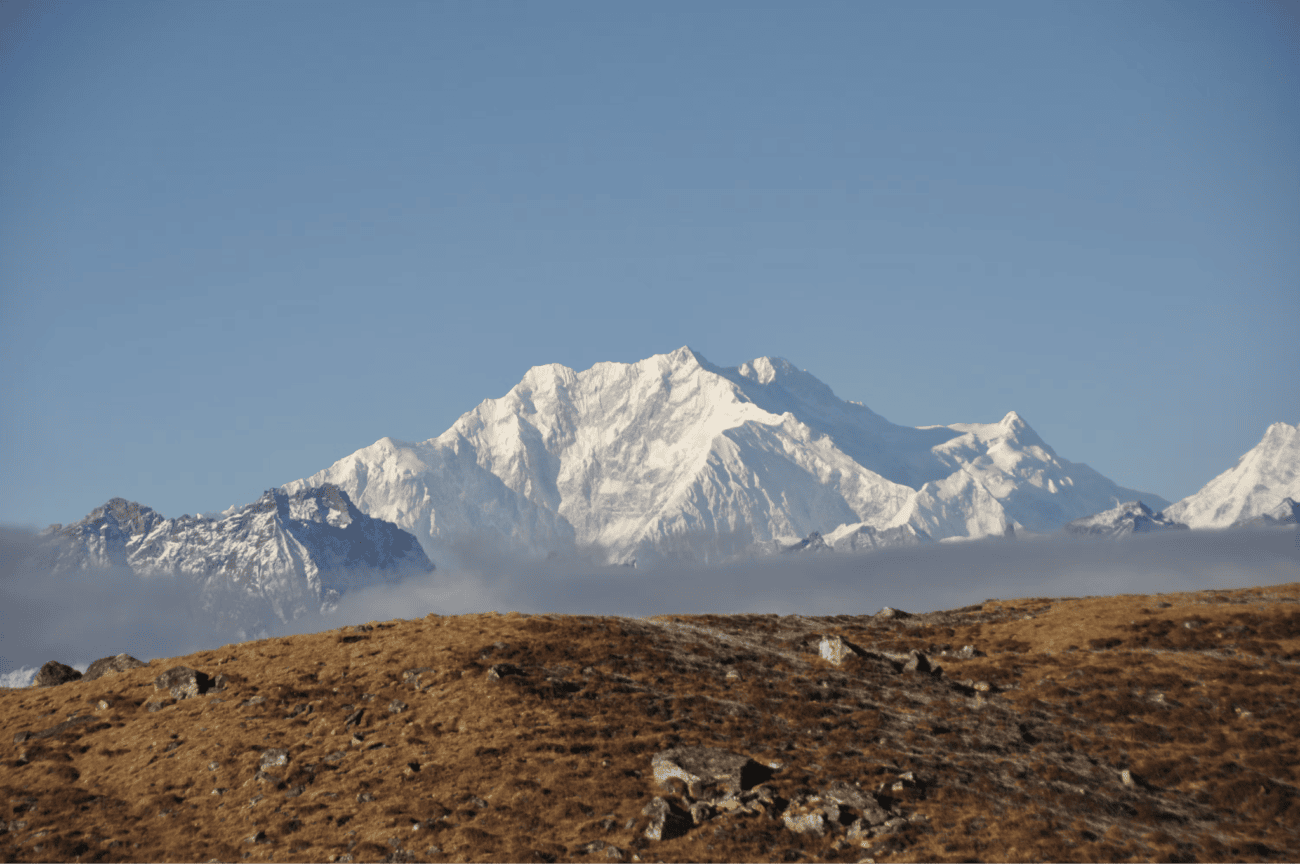
Nepal fits an odd amount of variety into a country you could cross by road in a couple of days. Out in the east, near the Indian border, you get damp forest, long river valleys and a mountain most visitors never see up close. Swing over to the centre and the mood changes: terraced hillsides, tea-house villages and the Annapurna range standing over Pokhara like a wall.
Both are Himalayan trekking, yet they feel like two different trips. That’s the real question behind a lot of searches. Not which one is better, but which one suits you. A Kanchenjunga trek rewards patience and a high tolerance for rough logistics. An Annapurna Trek Nepal style is far easier to squeeze into a normal holiday. Your experience, your time off, your fitness and how much remoteness you actually want will all shape the answer, and so will having a good trekking agency in Kathmandu who sorts out permits and transport before you even land.
Kanchenjunga and Annapurna: Understanding the Difference Before You Travel
Start with the map. Kanchenjunga sits in far eastern Nepal on the border with India, and the trek wanders through a long, folded landscape of river gorges and forested ridges before the big mountain scenery shows up. Annapurna lies in the central part of the country, and its routes start near Pokhara or along the old road corridors, so you get mountain views much sooner.
The bigger gap is how developed each region feels. Kanchenjunga is quiet. You’ll share the trail with farmers, mules and the odd small group, and lodging is simple. Annapurna has decades of trekking history behind it, which means more villages with lodges, more choice of itineraries and an easier time if plans change halfway through.
So who fits where? Experienced trekkers who’ve already done a high-altitude route, and who like their trails empty, tend to love the east. First-timers, solo travellers who want company on the trail and anyone short on time usually do better in Annapurna. If culture is your main interest, both deliver, just in different flavours.
Kanchenjunga Trek: Exploring the Remote Eastern Himalayas
Kanchenjunga rises to 8,586 metres, which makes it the third highest mountain on earth. What surprises people is how little traffic its trails see compared with Everest or Annapurna. The Kanchenjunga trek is long, and getting to the start usually means a flight to the eastern lowlands followed by a bumpy drive toward the hills. Lodging along the way is basic. Don’t expect menus with fifty items or reliable Wi-Fi.
That’s exactly the appeal for a lot of walkers. The scenery shifts slowly and constantly. You begin in warm, green hill country with cardamom fields and bamboo, move up through rhododendron forest and river valleys, then reach alpine pastures and finally the rocky, glaciated terrain near the mountain’s base camps. Villages change too. Lower down you’ll meet Rai and Limbu communities, while higher settlements lean toward Sherpa and Tibetan-influenced life. Because fewer trekkers pass through, conversations at a tea stop tend to be longer and less rehearsed.
Now the honest part. Walking days can be long, the trail climbs and drops more than the elevation chart suggests, and weather can wipe out a plan. Acclimatisation days matter. So does good gear: proper boots, warm layers, rain protection and a sleeping bag you trust. The region also comes with permit rules, because it is a restricted area, and these requirements have shifted over the years. Your trek should be arranged through an authorised operator, and you should confirm the current rules before you commit to dates.
Annapurna Trek Nepal: Mountain Scenery, Village Life and Cultural Encounters
The Annapurna region isn’t one trek, it’s a menu. Some people want a few days with sunrise views from a ridge. Others want a full loop that crosses a high pass. Annapurna Trek Nepal offers all these experiences and everything in between, with lodges and villages positioned in such a way that you rarely feel stranded.
Culture is a big part of the walk. Gurung and Magar villages dominate the lower trails, with stone-paved lanes, millet and rice terraces and warm, practical hospitality. Further north, Thakali and Manangi communities bring a different food culture and a more Tibetan-influenced landscape, with prayer flags, whitewashed chortens and monasteries tucked above the valley. Expect dal bhat nearly everywhere, and expect it to taste better after seven hours of walking.
Route choice decides difficulty. The Annapurna Circuit is the classic long loop, topped by Thorong La at 5,416 metres, and it asks for solid fitness and sensible acclimatisation. Road building has changed parts of the circuit in recent years, so ask your agency which sections are still walkable and which are better handled by vehicle. Annapurna Base Camp, which sits at about 4,130 metres, is shorter and can be done in roughly a week, though the climb up the final stretch is steeper than many people expect. Shorter options like Poon Hill or Mardi Himal suit anyone with limited days. Pick the itinerary that matches your calendar and your legs, not the one that sounds most impressive.
Kanchenjunga vs Annapurna: Two Different Himalayan Experiences
On infrastructure, the gap is obvious. Annapurna has frequent lodges, easier transport links and more places to stop if you feel unwell or just want an extra rest day. Kanchenjunga has fewer facilities, longer stretches between villages and a bigger need for advance planning. If a landslide blocks a trail or a flight is cancelled, there are fewer easy workarounds in the east.
Culturally, neither is a lesser choice. Annapurna gives you variety within a short distance, from lowland farming villages to high, dry Tibetan-style settlements. Kanchenjunga gives you depth and quiet, with communities that see few outsiders and a stronger sense that you’re walking through people’s everyday lives rather than a trekking route.
Budget follows the same logic. Costs depend on transport, permits, guides, porters, accommodation and food, and the longer, more remote trek will usually need more of all of those. Getting to the trailhead alone can take a chunk of both money and time. Annapurna is easier to scale up or down, since you can pick a short route and keep the total reasonable.
Here’s a simple way to decide:
- Choose Kanchenjunga if you have three weeks or more, previous multi-day trekking experience, and a real wish for empty trails and simple lodging.
- Choose Annapurna if you have anywhere from five days to three weeks, want flexible routes, and like the idea of villages and lodges along the way.
- If you’re still unsure, ask yourself one thing: would you rather have comfort and choice, or solitude and a bit of struggle? Your honest answer usually settles it.
Planning Your Himalayan Adventure with a Trekking Agency in Kathmandu
Local knowledge matters more than most first-time visitors expect. A good Trekking Agency in Kathmandu knows which villages have decent lodging this season, how to handle permits, which flights are reliable and when a landslide has made a road unusable. It also has guides who’ve actually walked the route, not just read about it. When mountain weather turns, that experience is what keeps a plan workable.
Before you pay anyone, do some checking. Confirm the company is properly registered in Nepal. Ask who your guide will be and how much experience they have on the exact route. Look for clear pricing, a stated plan for emergencies, and a willingness to adjust the itinerary if conditions change. Reply speed and plain answers in your early emails say a lot. One Kathmandu-based option travellers can look at while comparing is Adventure Great Himalaya, and as with any operator, ask for details in writing before confirming.
Finally, ask for a written breakdown of what’s included and what isn’t. A decent package spells out guide and porter arrangements, lodging, meals, ground transport, permits and emergency support. Things like drinks, tips, personal gear, visa fees and insurance often sit outside the price. Surprises on the mountain are rarely fun, so get everything on paper first.
Practical Information: Best Seasons, Permits and Preparation
Spring and autumn are the main trekking seasons for both regions. Spring, roughly March to May, brings blooming rhododendrons and warmer days, though haze can soften the views. Autumn, roughly October and November, usually offers clearer skies and steadier weather. The monsoon from June to August brings heavy rain, leeches in lower forests and cloud cover, which is especially tough on the eastern trails. Winter can be cold and, at altitude, harsh, with some high routes closed by snow. Weather is never guaranteed, so build a spare day or two into your schedule.
Permits differ between regions. Annapurna routes require conservation area permits, and Kanchenjunga involves conservation area and restricted-area permits. Rules, fees and paperwork change from time to time, so treat any figure you read online as a starting point and confirm the current requirements with your agency or the relevant Nepali authorities before you fly. Carry your passport and a few spare passport photos, since you’ll need them for paperwork.
Preparation is mostly boring and absolutely worth it. Spend a couple of months walking hills with a loaded pack, build up leg strength, and break in your boots well before you leave. Pack in layers: a base layer, a warm mid layer, a windproof shell, a hat, gloves and a proper sleeping bag for cold nights. Drink water steadily, go up gradually and learn the signs of altitude sickness: headache, nausea, unusual tiredness, poor sleep. If symptoms get worse, descend and tell your guide early rather than late. Lastly, buy travel insurance that explicitly covers high-altitude trekking up to your maximum elevation, plus emergency helicopter evacuation. Read the small print, because many standard policies exclude exactly this.
Final Thoughts: Finding Your Own Himalayan Journey
Kanchenjunga and Annapurna sit at opposite ends of the Nepal trekking spectrum, and both are worth walking. One offers remote trails, long days and a sense of being far from everything. The other gives you rich cultural encounters, flexible routes and easier logistics. The right pick comes down to your time, your fitness and how much wilderness you really want. Plan carefully, respect the communities you pass through, and lean on trekking professionals who know the ground.
