
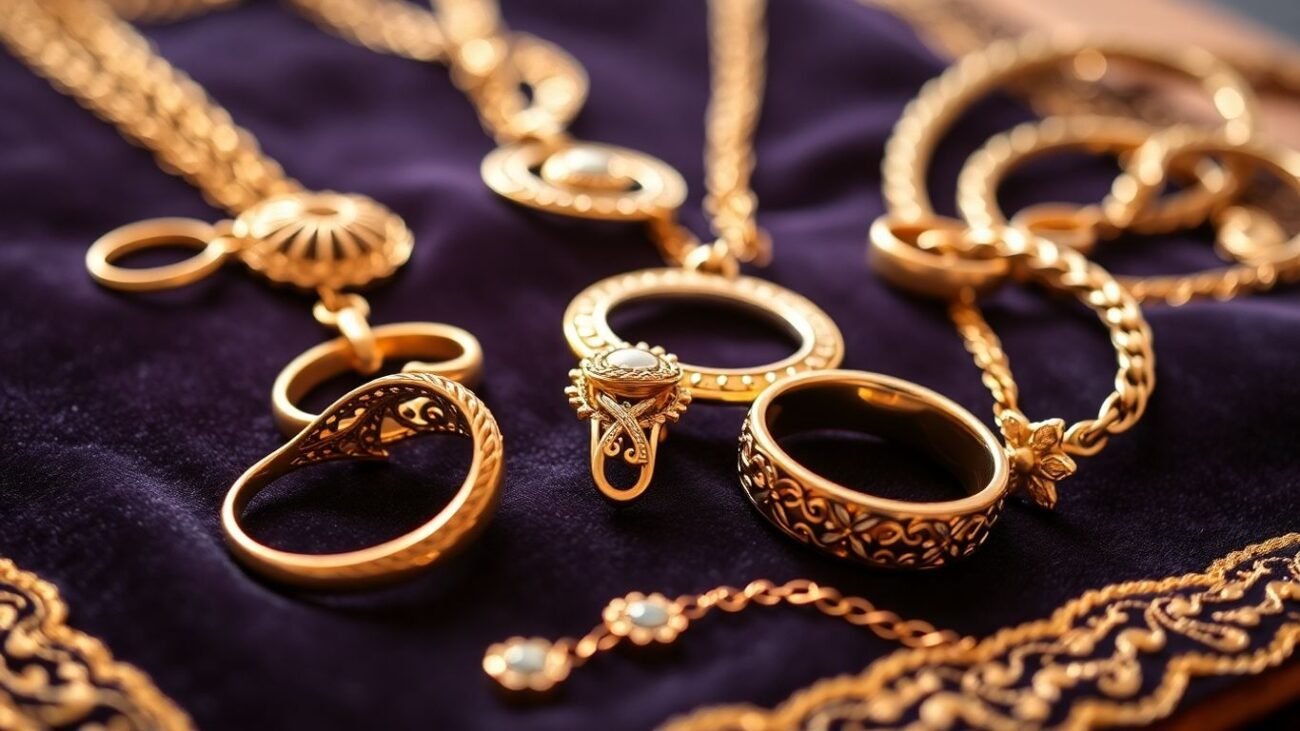
Buy a piece of fine jewelry today and you’re not just buying metal and stone. You’re buying a story. A history. Some thread connecting you to something far bigger than the object itself. Origin stories have quietly moved from footnote to headline — shaping purchase decisions across the entire fine jewelry market in ways that cut, clarity, and carat weight simply can’t. Where did this come from? Who made it? Why should it matter? Those questions now drive buying decisions. That hunger points toward something bigger: a wholesale rewiring of how we assign value to luxury objects.
Understanding the Consumer Shift Toward Storytelling
These buyers aren’t their parents. More suspicious. More curious. They research provenance before they ever walk through a door or tap “add to cart.” Ethical sourcing matters. So does craftsmanship — and a genuine preference for possessions carrying real meaning over ones that merely look expensive. Trace the emotional thread from a piece back to its origins and something shifts. It stops being jewelry. It becomes personal. That bond drives loyalty, justifies premium pricing, and pulls off something polished ad copy can’t touch — it makes people actually feel something. And when customers feel something? They return.
The Role of Transparency in Building Trust
Transparency has become a genuine competitive weapon here. Knowing exactly where a gemstone was pulled from the earth — and under what conditions — addresses real anxieties around conflict diamonds, exploitative labor, opaque supply chains. Brands willing to share that aren’t just checking an ethical box. They’re building actual trust. When a jeweler hands over documentation about a stone’s origin, the artisan’s background, the miner’s working conditions, the purchase gains a credibility no marketing budget can manufacture. It also shields buyers from misrepresentation and counterfeits lurking in corners of the luxury market. Openness signals confidence — it says: we trust our supply chain, and we trust you to care.
How Origin Stories Differentiate Products in a Crowded Market
Visually, a lot of fine jewelry looks the same. Two sapphires. Comparable size, comparable quality. But one comes from a mine with documented historical significance — and suddenly they’re not the same at all. Origin narratives create distinctions that technical specs never could. Family legacies. Artisanal techniques passed down across generations. Rare geological formations that took millions of years to produce. These details give pieces character and staying power. Buyers chasing stones with traceable domestic provenance, for instance, turn to montana sapphires precisely because those stones tie them to a specific American landscape — a documented mining heritage lending the purchase unmistakable meaning. Here’s the thing, though: wear jewelry with a story worth telling and you’ll tell it. Every time someone admires the piece, the narrative comes out. That kind of differentiation hits hardest in the luxury segment, where emotional resonance and exclusivity routinely outweigh raw material value.
The Marketing Power of Authenticity
Real origin stories beat conventional advertising. Full stop. A genuine narrative creates emotional engagement polished campaigns struggle to reach — and people remember it. They repeat it. They recommend the brand because they feel invested in it, not merely in possession of its product. That’s a fundamentally different relationship. Word-of-mouth sparked by authentic storytelling stretches reach well past anything paid media accomplishes. And right now, when consumers are deeply skeptical of obvious marketing — when they can smell spin from across a room — authenticity isn’t a nice-to-have. It’s the sharpest tool on the table.
Conclusion
Origin stories have graduated from optional background detail to critical infrastructure — central to how fine jewelry gets marketed, valued, and bought. Today’s buyers have access to sourcing information, craftsman histories, and heritage documentation that previous generations couldn’t have obtained. That transparency reshapes expectations across every luxury category, not just jewelry. The pieces you choose to wear carry meaning well beyond physical beauty; they reflect your values and connect you to the hands and places involved in making them. As authenticity and ethical responsibility keep climbing consumer priority lists, origin stories will only dig deeper into the industry’s foundations. Your purchasing choices shape how brands respond to all of this — which means you’re not just a buyer. You’re actively determining what this market becomes.
