
Managing operating expenses is a top priority for businesses of every size, and utility bills are often one of the largest recurring costs. Heating and cooling systems account for a significant share of a commercial building’s energy consumption, making them an important area to optimize. Fortunately, advances in smart building technology have made it easier than ever for businesses to reduce waste and improve efficiency.
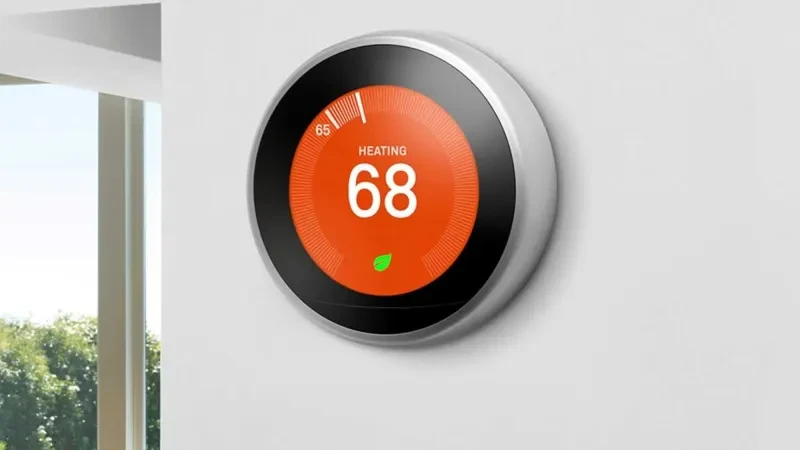
One of the most effective and affordable upgrades is the installation of a smart thermostat. Unlike traditional thermostats that rely on fixed temperature settings, smart thermostats use sensors, automation, scheduling, and connectivity to adjust heating and cooling based on real-time conditions. The result is improved comfort, lower energy usage, and greater control over HVAC operations.
This article explains how smart thermostats work, why they are becoming a standard feature in commercial buildings, and how businesses can use them to lower utility costs while improving overall operational efficiency.
What Is a Smart Thermostat?
A smart thermostat is a connected device that manages a building’s heating and cooling system more intelligently than a conventional thermostat. It uses software, sensors, and internet connectivity to monitor environmental conditions and automatically adjust temperatures based on occupancy, schedules, and user preferences.
Many smart thermostats can be controlled remotely through mobile apps or web dashboards, allowing business owners and facility managers to monitor HVAC performance from virtually anywhere.
Common features include:
- Programmable schedules
- Remote access
- Occupancy detection
- Energy usage reports
- Maintenance reminders
- Weather-based temperature adjustments
- Integration with building automation systems
These capabilities help businesses reduce unnecessary energy consumption without sacrificing comfort.
Why Utility Costs Continue to Rise
Commercial buildings consume energy throughout the day to support employees, customers, equipment, lighting, and climate control. As energy prices fluctuate, inefficient HVAC operation can have a noticeable impact on monthly expenses.
Several factors contribute to higher utility bills, including:
- Heating or cooling unoccupied spaces
- Outdated thermostats
- Poor scheduling
- Inconsistent temperature settings
- Aging HVAC equipment
- Inadequate maintenance
- Poor insulation
Smart thermostats help address many of these issues through automation and data-driven control.
Automatic Scheduling Improves Efficiency
One of the biggest advantages of smart thermostats is automated scheduling.
Instead of manually adjusting temperatures each day, businesses can create schedules that align with operating hours.
For example, the system can:
- Lower heating or cooling overnight
- Restore comfortable temperatures before employees arrive
- Reduce energy use during weekends or holidays
- Adapt to seasonal operating patterns
Automated scheduling eliminates the risk of HVAC systems running unnecessarily when buildings are empty.
Occupancy Detection Reduces Energy Waste
Many modern smart thermostats include occupancy sensors that detect when rooms or buildings are in use.
If an area becomes vacant, the thermostat automatically adjusts the temperature to reduce energy consumption.
This feature is particularly valuable for:
- Offices
- Conference rooms
- Retail stores
- Warehouses
- Educational facilities
Heating and cooling only occupied spaces helps maximize efficiency.
Remote HVAC Management
Business owners and facility managers don’t always have the opportunity to monitor every building in person.
Remote access allows users to:
- Adjust temperatures
- Monitor energy usage
- Receive alerts
- Review system performance
- Change schedules
- Manage multiple locations
This flexibility is especially useful for businesses operating across several properties.
Energy Reports Provide Valuable Insights
Smart thermostats generate detailed reports showing how HVAC systems consume energy over time.
These reports help businesses identify:
- Peak energy usage
- Inefficient schedules
- Seasonal trends
- Opportunities for savings
- Performance improvements
Data-driven decisions often lead to better long-term energy management.
Integration With Smart Building Systems
Modern commercial buildings increasingly use connected technologies.
Smart thermostats often integrate with:
- Building management systems (BMS)
- Lighting controls
- Occupancy sensors
- Indoor air quality monitors
- Security systems
This connected approach creates a more efficient and responsive building environment.
Supporting Preventive Maintenance
Smart thermostats do more than regulate temperature—they also help identify potential HVAC issues.
Many systems monitor:
- Runtime hours
- Temperature inconsistencies
- Equipment cycling
- Airflow irregularities
- Filter replacement schedules
Maintenance alerts encourage businesses to address small problems before they become major repairs.
For organizations that rely on heating systems during colder months, scheduling professional furnace maintenance houston tx as part of a preventive maintenance plan can help ensure equipment operates efficiently, supports occupant comfort, and reduces the likelihood of unexpected downtime.
AI Makes Smart Thermostats Even Smarter
Artificial intelligence has significantly expanded the capabilities of smart thermostats.
AI-powered systems can:
- Learn occupancy patterns
- Predict heating and cooling demand
- Adjust settings automatically
- Analyze weather forecasts
- Detect equipment inefficiencies
- Recommend maintenance
Instead of simply following fixed schedules, AI continuously optimizes HVAC performance based on changing conditions.
Improving Employee Comfort
Temperature has a direct impact on workplace productivity and satisfaction.
Consistent indoor temperatures help:
- Improve employee focus
- Reduce discomfort
- Support healthier indoor environments
- Increase customer satisfaction
- Create a more pleasant workplace
Smart thermostats help maintain stable temperatures throughout the day without unnecessary fluctuations.
Lowering Environmental Impact
Energy efficiency benefits more than operating budgets.
Reducing unnecessary energy use also helps businesses:
- Lower carbon emissions
- Support sustainability initiatives
- Improve ESG performance
- Reduce environmental impact
Many organizations include energy-efficient technologies as part of broader sustainability strategies.
Extending HVAC Equipment Life
Frequent system cycling and inefficient operation place additional strain on HVAC equipment.
By optimizing heating and cooling schedules, smart thermostats help reduce wear and tear on system components.
Benefits include:
- Longer equipment lifespan
- Fewer emergency repairs
- Improved reliability
- Reduced maintenance costs
Protecting expensive HVAC equipment often results in significant long-term savings.
Identifying Heating Problems Early
Connected thermostat systems continuously monitor heating performance and can alert building managers when equipment behaves unusually.
Potential warning signs include:
- Inconsistent temperatures
- Extended heating cycles
- Frequent on-and-off operation
- Reduced efficiency
When these issues appear, arranging professional furnace repair houston tx services promptly can help restore system performance, prevent additional damage, and maintain efficient operation before minor concerns develop into more expensive repairs.
Best Practices for Businesses
To maximize the benefits of smart thermostats, businesses should:
- Install programmable schedules.
- Review monthly energy reports.
- Update settings seasonally.
- Replace HVAC filters regularly.
- Schedule professional equipment inspections.
- Train facility staff on system operation.
- Monitor occupancy trends.
Combining smart technology with consistent maintenance typically delivers the greatest return on investment.
Future Trends in Smart Thermostat Technology
Technology continues advancing rapidly.
Future smart thermostat capabilities may include:
- More advanced AI learning
- Predictive maintenance integration
- Digital twin connectivity
- Renewable energy optimization
- Voice-controlled building management
- Enhanced indoor air quality monitoring
- Real-time utility rate optimization
These innovations will further improve building efficiency while reducing operational costs.
Frequently Asked Questions
Do smart thermostats actually reduce utility bills?
Yes. By automating schedules, responding to occupancy, and optimizing HVAC operation, smart thermostats can help reduce unnecessary energy consumption, particularly when combined with regular equipment maintenance.
Are smart thermostats suitable for small businesses?
Absolutely. Many systems are designed for offices, retail stores, restaurants, and other small commercial spaces, offering scalable features without requiring complex infrastructure.
Can smart thermostats work with existing HVAC systems?
Many modern smart thermostats are compatible with a wide range of heating and cooling systems. Compatibility depends on the specific HVAC equipment and control wiring, so a professional assessment is recommended before installation.
How do smart thermostats improve maintenance?
They provide reminders, monitor system performance, detect irregular operation, and alert users to potential issues before they become serious problems.
Is AI necessary for a smart thermostat?
Not all smart thermostats use advanced AI, but AI-enabled models can learn occupancy patterns, optimize schedules automatically, and improve energy efficiency over time.
Final Thoughts
Smart thermostats have become one of the most practical investments businesses can make to improve energy efficiency and reduce utility costs. By automating temperature control, responding to occupancy, generating detailed energy insights, and supporting preventive maintenance, these systems help organizations operate more efficiently while maintaining comfortable indoor environments.
As artificial intelligence and connected building technologies continue to evolve, smart thermostats will play an even greater role in commercial energy management. Businesses that combine these intelligent systems with regular HVAC maintenance and proactive operational practices can lower long-term operating expenses, extend equipment life, and create healthier, more productive spaces for employees and customers alike.
