
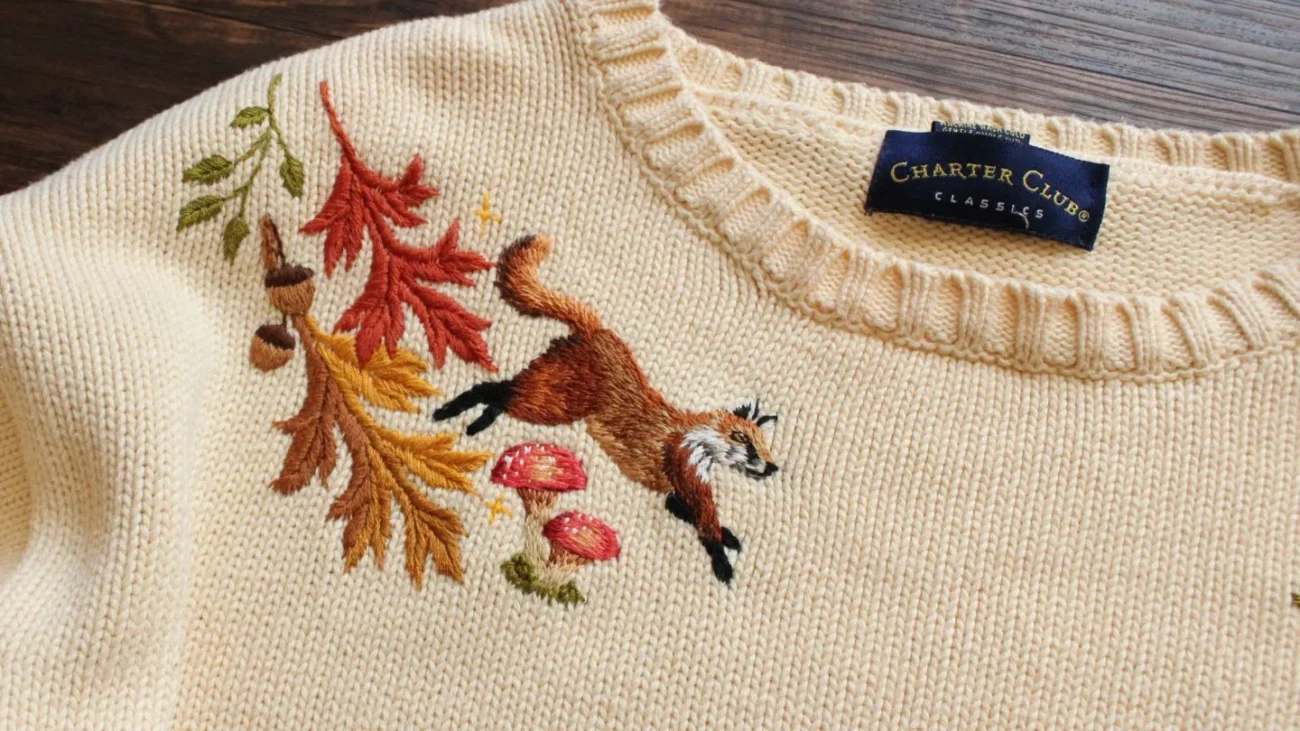
Beautiful clothing deserves thoughtful care. Whether it’s a favorite festive outfit or a cherished gift, delicate garments can retain their beauty for years when handled properly. Unfortunately, many people unintentionally damage embroidered clothing through incorrect washing, improper storage, or careless ironing. A little extra attention goes a long way in preserving intricate details and keeping fabrics looking their best.
Because embroidered lawn suits feature decorative threadwork on lightweight fabric, they require gentler care than everyday clothing. Treating them with the same washing and drying methods as regular garments can gradually weaken the embroidery, fade colors, or distort the fabric. Learning a few simple maintenance techniques can help protect your investment while keeping every outfit looking fresh.
Read the Care Label First
Before washing any embroidered garment, always check the care instructions provided by the manufacturer.
Different fabrics and embroidery techniques require different levels of care. While some garments are suitable for gentle hand washing, others may need professional dry cleaning to preserve delicate embellishments and stitching.
Ignoring these recommendations can shorten the lifespan of your clothing, even after just a few washes.
Wash Gently to Protect the Embroidery
Rough washing cycles are one of the most common causes of damaged embroidery.
If hand washing is recommended:
- Use cool or lukewarm water.
- Choose a mild detergent.
- Avoid vigorous scrubbing.
- Gently squeeze excess water instead of twisting the fabric.
If machine washing is permitted, placing the garment inside a mesh laundry bag and selecting a delicate cycle helps minimize friction that could damage decorative stitching.
Be Careful When Drying
Drying embroidered garments correctly is just as important as washing them.
Avoid using high heat whenever possible, as excessive temperatures may weaken fibers or cause shrinkage. Instead, lay the garment flat on a clean towel or hang it in a shaded, well-ventilated area.
Direct sunlight for extended periods can gradually fade vibrant colors, particularly during warmer months.
Allowing clothing to air dry naturally helps preserve both the fabric and its decorative details.
Iron With Extra Care
Heat can affect embroidery if applied incorrectly.
Whenever possible:
- Turn the garment inside out.
- Use a low to medium heat setting.
- Place a clean cotton cloth between the iron and the fabric.
- Avoid pressing directly onto raised embroidery.
A garment steamer may also be a good alternative for removing wrinkles without putting pressure on delicate threadwork.
Taking a few extra minutes during ironing can significantly extend the life of embroidered clothing.
Proper Storage Makes a Difference
Many people focus on washing but overlook how clothing is stored.
To keep embroidered garments in excellent condition:
- Store them in a cool, dry place.
- Use padded or sturdy hangers when appropriate.
- Fold heavier embroidered pieces carefully to prevent stretching.
- Keep garments away from prolonged exposure to moisture.
Breathable garment bags can also help protect special occasion outfits from dust while allowing air circulation.
Handle Stains Promptly
Spills are inevitable, especially during celebrations and family gatherings.
If a stain occurs, treat it as soon as possible rather than allowing it to set. Blot the affected area gently instead of rubbing, as excessive friction can damage embroidery.
For stubborn stains, professional cleaning is often the safest option, particularly for garments with intricate embellishments or delicate fabrics.
Trying harsh household cleaning products may do more harm than good.
A Little Care Goes a Long Way
Well-maintained clothing not only looks better but also lasts significantly longer. Caring for embroidered garments isn’t complicated—it simply requires a gentler approach than everyday laundry.
By following proper washing, drying, ironing, and storage practices, you can preserve the beauty of your favorite outfits season after season. Protecting delicate fabrics today means you’ll continue enjoying their craftsmanship and elegance for years to come.
