
You’ve probably seen the ads. A brand-new car, yours for a 50p ticket. Sounds brilliant, and then about two seconds later your brain kicks in and goes “no chance that’s real.” That’s a healthy instinct, because online raffle competitions have blown up across the UK in recent years, with government figures putting participation at 7.4 million adults a year, and plenty of them aren’t on the level.
Behind some of these draws you’ll find proper companies with real prizes and genuine winners, but behind others there’s nothing more than a slick Instagram page and zero intention of giving anything away. Telling them apart can be tricky if you don’t know what to look for. There are, however, a few concrete things you can check before spending a penny, and they’ll help you figure out whether you’re looking at a fair draw or a scam that’s dressed up nicely.
Check for a Genuine Free Entry Route
Here’s the key legal point. Under the Gambling Act 2005, the dividing line between a lawful free draw and an unlicensed lottery comes down to whether payment is required. If a draw demands you pay and offers no free alternative, it could be operating illegally.
Any legitimate raffle site will provide a free entry method, usually postal, and it won’t be hard to find. Watch out for sites that bury the free route in tiny text at the bottom of a terms page, or make the process so awkward that nobody would actually bother using it. The Gambling Commission has made it clear that free entry must be genuinely accessible and properly advertised. Slapping it on as a technicality doesn’t cut it.
Look at Who’s Behind the Operation
A raffle platform you can trust will name the company running it, list a registered business address, and publish its terms and conditions before you buy anything. If you can’t track down a company name, a Companies House registration, or any real contact details beyond a throwaway email address, slow down, because that’s usually a very bad sign.
Operators running transparent prize draws will often go beyond the bare legal minimum by publishing detailed T&Cs, listing draw dates well in advance, and giving entrants a full breakdown of ticket odds and prize values.
Verify That Winners Actually Exist
This one’s dead simple and incredibly revealing. Does the site have a winners page? Can you see actual names, real people, and verifiable draw dates? A genuine operator won’t just post a winner announcement in an Instagram story and call it a day.
They’ll keep a proper record you can check whenever you like, and many will include photos or videos of the prize being handed over. If a platform has been going for months and you can’t find a single named winner anywhere on the site or its socials, that should tell you everything you need to know.
Ask How the Draw Is Run
Random number generation might sound like technical jargon, but it matters more than most people think. A fair draw will use a verified RNG system, and the best operators will have an independent audit of the process or record the whole thing on video so anyone can watch it back.
If a site won’t explain how winners get picked, or the draw happens behind closed doors with absolutely no way to verify it, you’re essentially trusting them on blind faith. That’s not a position you want to be in when your money’s involved.
Know Where the Law Stands
Something most people don’t realise is that the Gambling Commission doesn’t regulate or license free draws and prize competitions directly. They fall outside the Gambling Act 2005, provided certain criteria are met. In practice, that means these companies aren’t bound by the same consumer protections that apply to licensed gambling operators.
Trustworthy platforms will fill that gap through voluntary standards, and since November 2025 there’s been an official way to check. The government published a Voluntary Code of Good Practice for prize draw operators, covering player protections, transparency and fair prize delivery, and the signatory list is published on the government website where anyone can look an operator up. One specific thing to watch for: if a raffle operator claims to be “Gambling Commission approved” or “licensed,” that’s actually suspicious, because the Commission doesn’t issue licences for free draws at all.
What a Safer Entry Looks Like Going Forward
Online raffles in the UK are still a fairly young industry, and the regulation hasn’t kept pace with how quickly the market has grown. That puts more of the responsibility on you to do some basic homework before entering anything. Reputable platforms actually want you checking up on them, because being open about how they operate is how they earn repeat customers.
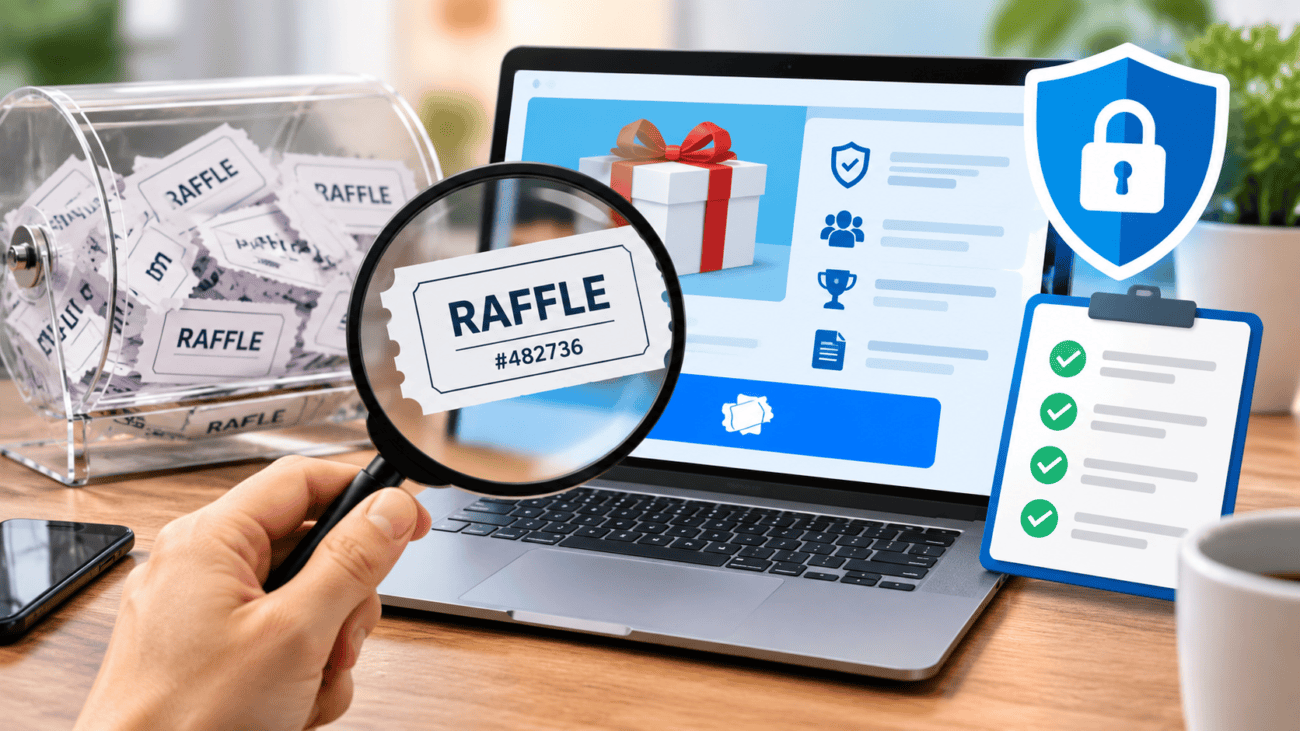
So before you enter a competition, take five minutes and look for a named company, a postal entry route, a published winners list, and terms you can read without a magnifying glass. Those checks won’t guarantee you’ll win anything. But they will make sure you’re only putting your money into draws where the game is actually fair, and in a market where literally anyone can throw up a raffle page overnight, that five minutes of checking could save you from getting burned.
