
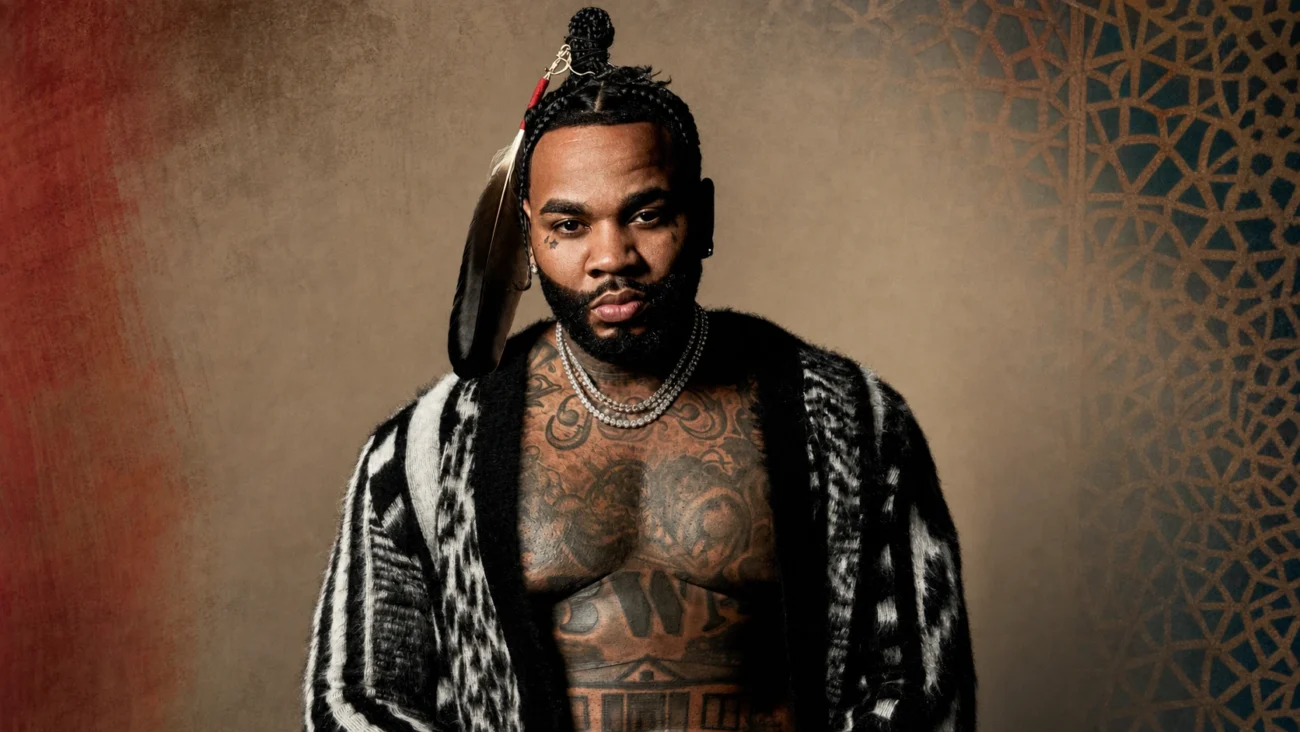
Kevin Gates built his career by turning personal conflict, ambition, faith, family loyalty, and street experience into direct, emotionally exposed rap. Born Kevin Jerome Gilyard on February 5, 1986, he is an American artist with Puerto Rican and Moroccan family roots who was raised mainly in Baton Rouge, Louisiana. He is 40 years old as of July 2026.
Questions about Kevin Gates’ ethnicity often produce conflicting answers because nationality, race, ancestry, religion, and cultural upbringing are frequently treated as the same thing. The clearest description is that Gates is American by nationality, has Puerto Rican heritage through his mother’s family, and has publicly acknowledged relatives and ancestry connected to Morocco through his father’s side. His Louisiana upbringing, however, has had the strongest visible influence on his voice, music, and public identity.
Gates has never made ethnicity the sole subject of his career. His family background appears through songs, travel, interviews, and personal reflections, while his larger story centers on survival, incarceration, fatherhood, spirituality, business, and a long rise from Baton Rouge mixtapes to nationally charting albums.
Kevin Gates’ Ethnicity and Nationality
Kevin Gates is of Puerto Rican and Moroccan heritage. His mother has been identified as Puerto Rican, while his paternal family has been associated with Morocco. Gates has spoken publicly about visiting family in Morocco and has celebrated his Puerto Rican roots through music recorded on the island.
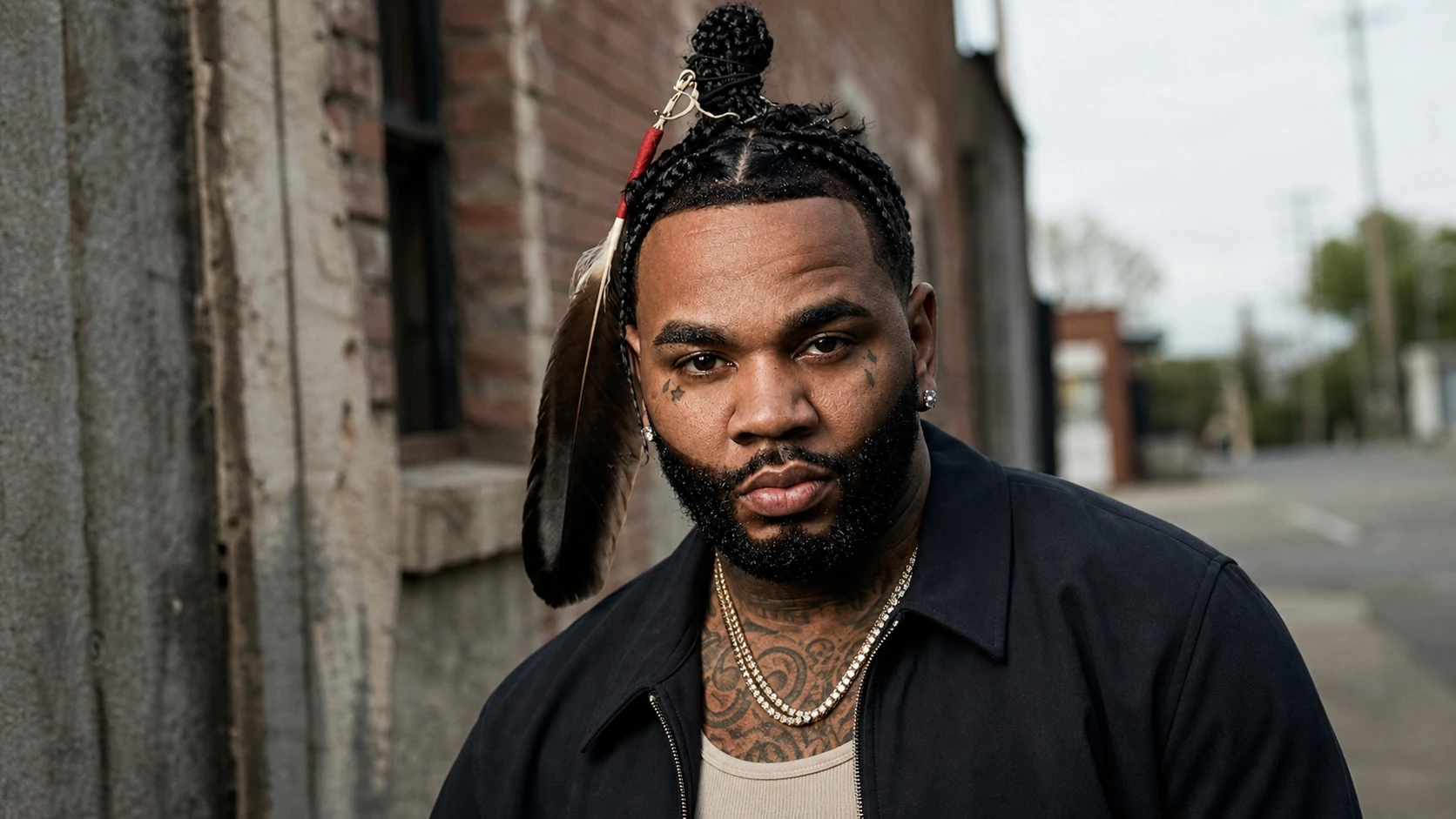
He is an American citizen by birth. Gates was born in Louisiana and spent his formative years in Baton Rouge, making him culturally Southern and closely associated with Louisiana’s rap tradition. Describing him only as Puerto Rican, Moroccan, Black, Latino, or African American leaves out part of his background.
Puerto Rican identity is considered Hispanic or Latino under common United States definitions, regardless of race. Moroccan identity refers to nationality and ancestry from a North African country whose population includes people with Arab, Amazigh, Black African, mixed, and other family backgrounds. Gates has not published a detailed family tree or genetic ancestry report, so claims about exact racial percentages are not publicly confirmed.
Some profiles describe him as African American, while Gates has sometimes challenged labels placed on him by other people. His precise personal racial identification is best left in his own words rather than inferred from his appearance. The most factual description remains that he is an American rapper with Puerto Rican and Moroccan family roots.
Early Life and Family Background
Kevin Jerome Gilyard was born on February 5, 1986, in Louisiana. He spent part of his childhood in New Orleans before growing up mainly in Baton Rouge. His early environment included poverty, instability, neighborhood violence, and limited access to the kind of professional examples that might have offered a clearer route into adulthood.
Gates has described his grandmother as an important influence on his education and communication skills. He has also spoken about a grandfather who worked as an attorney and served as a father figure in his life. Those family influences sat beside the pressures of his neighborhood, creating the contrast that later became central to his music: intelligence and discipline on one side, danger and impulsive behavior on the other.
His relationship with his biological father was limited during much of his childhood. Gates later reconnected with him, but his father died when Gates was still young. Public information about his parents remains incomplete, and their full names, professional histories, and private family circumstances have not been consistently confirmed by authoritative sources.
The Puerto Rican side of Gates’ family became especially visible in his later work. He has spoken about relatives describing Puerto Rico with deep emotional attachment, and he eventually traveled there to record music. His Moroccan connection also became public through statements about visiting family in Morocco.
Education and Early Legal Trouble
Gates’ education was interrupted by legal problems and time in detention. He has said that he was arrested for the first time at age 13 after riding in a stolen vehicle. The experience introduced him to the criminal justice system early and became one of several events that shaped his view of authority, accountability, and survival.
He later attended Baton Rouge Community College for a period, although he did not complete a publicly documented degree. Gates has often presented himself as an active reader and independent student rather than someone defined by formal credentials. His interviews and lyrics frequently reference psychology, religion, history, business, health, and personal discipline.
That intellectual curiosity became part of his public image. He could move from blunt street accounts to discussions of faith, language, emotional control, or human behavior without separating those subjects into different personas. This combination helped distinguish him from artists whose work stayed within a narrower autobiographical frame.
Starting His Music Career in Baton Rouge
Gates began recording professionally in the mid-2000s and became associated with Dead Game Records. His early work connected him with Baton Rouge rappers such as Boosie Badazz and Webbie, both of whom had already helped establish the city as a major force in Southern hip-hop.
His early mixtapes introduced the traits that remained central to his music: melodic hooks, harsh confessions, detailed street stories, and an ability to sound vulnerable without abandoning toughness. Projects such as Pick of Da Litter, All or Nuthin’, and the Luca Brasi series helped him build a regional audience.
Progress was repeatedly interrupted by incarceration. Gates spent time in prison during the period when his career might otherwise have developed more quickly. Rather than ending his momentum, those gaps became part of his story and gave later releases a sense of urgency.
After leaving prison in the early 2010s, he returned to music with greater focus. The Luca Brasi Story, released in 2013, became a key breakthrough and helped him gain wider industry attention. The project’s reception led to a partnership with Atlantic Records while allowing Gates to maintain his Bread Winners’ Association identity.
Career Breakthrough and Major Albums
Gates expanded his audience with the 2013 mixtape Stranger Than Fiction, followed by projects including By Any Means, Luca Brasi 2, and Murder for Hire. Songs such as “Satellites,” “4:30AM,” and “I Don’t Get Tired” showed his range across confessional rap, street narratives, and motivational themes.
His debut studio album, Islah, arrived in January 2016. Named after his daughter, the album became his biggest commercial breakthrough and included the singles “2 Phones” and “Really Really.” It reached the upper tier of the Billboard 200 and established Gates as more than a mixtape artist with a regional following.
The success of Islah was striking because Gates had built much of his audience without relying on a conventional pop image. His music could be abrasive, emotionally intense, sexually explicit, and deeply personal. Listeners responded to the sense that he was describing his own contradictions rather than creating a polished character.
His later albums included I’m Him in 2019, Khaza in 2022, and The Ceremony in 2024. Across these projects, Gates continued writing about discipline, family strain, spiritual growth, fame, legal consequences, betrayal, and physical health. His output also included numerous mixtapes and collaborative releases, keeping him closely connected to the release culture that first built his career.
How Puerto Rican and Moroccan Heritage Appears in His Music
Gates gave his family background its clearest musical treatment on Only the Generals, Pt. II, released in 2021. He recorded the project in Puerto Rico and connected the trip to stories he had heard from relatives. The mixtape included “Puerto Rico Luv,” making the island an explicit part of the project’s identity.
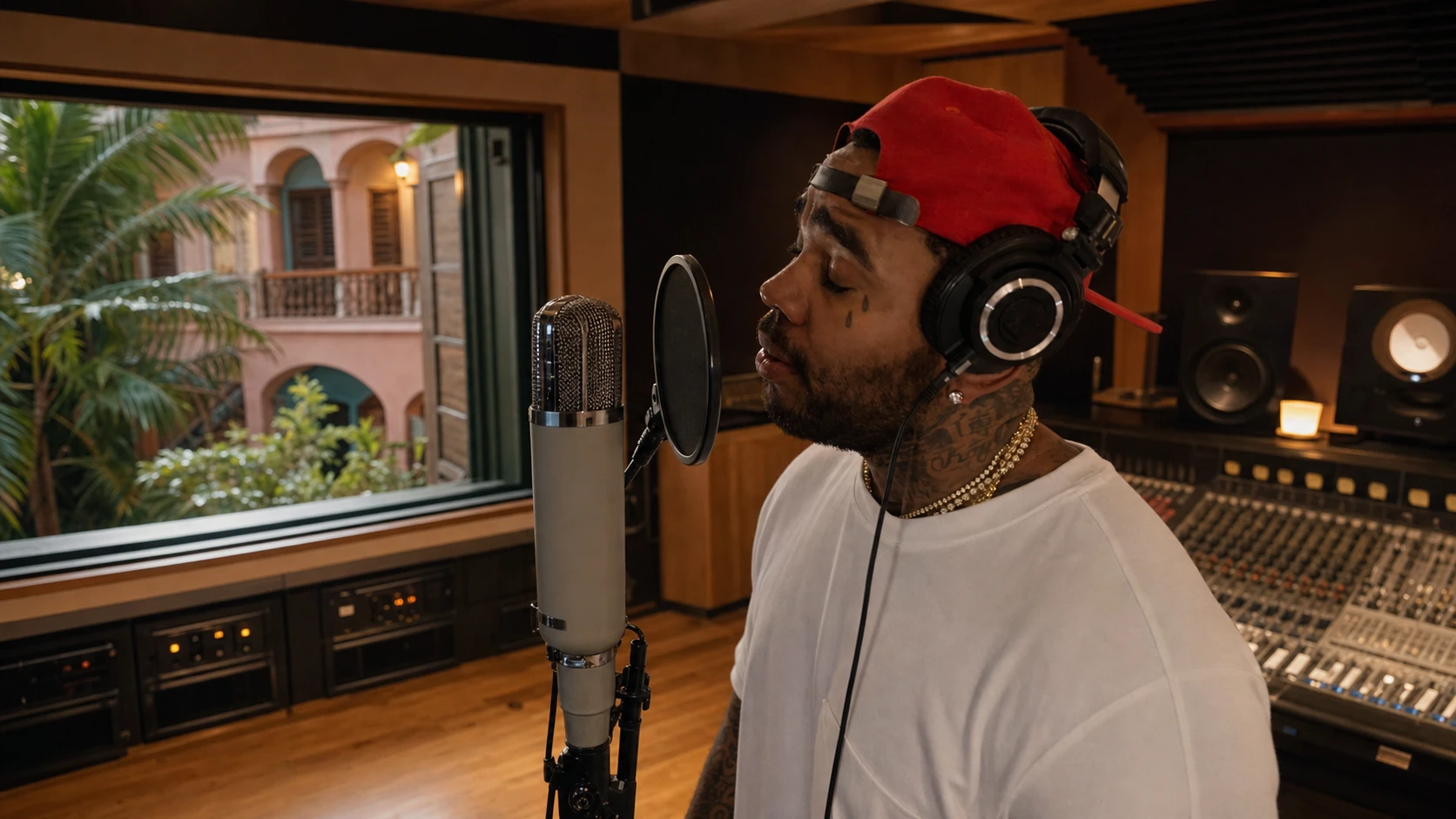
The same release included “Wishing in Morocco,” a title that reflected his paternal family connection. Gates had earlier stated publicly that he was traveling to Morocco to meet family, supporting the view that the country represents a real personal link rather than a setting chosen only for artistic effect.
His use of Puerto Rican and Moroccan references does not mean every part of his sound comes directly from those cultures. Gates developed primarily within Baton Rouge rap, and his Louisiana accent, melodic phrasing, and storytelling remain central to his work. His ancestry adds another layer to an identity formed largely in the American South.
He has also expressed interest in reggaeton, Jamaican music, rock, country, and other styles outside conventional Southern rap. That broad listening background fits an artist who resists being placed inside a single cultural category.
Marriage, Children, and Private Life
Kevin Gates married Dreka Haynes in October 2015 after a long relationship that began before his greatest commercial success. Dreka became closely involved in his career and helped build Bread Winners’ Association, the label and business platform associated with his music.
The couple have two children, a daughter named Islah and a son named Khaza. Both children have inspired album titles, with Islah released in 2016 and Khaza arriving in 2022. Gates has discussed fatherhood as a source of motivation, responsibility, fear, and personal change.
His marriage has also attracted public speculation because both Gates and Dreka have spoken at times about relationship difficulties. Their exact current marital arrangement has not always been publicly clear, and private changes should not be presented as confirmed unless either person addresses them directly.
Gates has occasionally suggested that he may have other biological children, but reliable details have not been publicly established. The two children consistently and publicly identified as his are Islah and Khaza.
Religion and Spiritual Identity
Kevin Gates is publicly known as a Muslim. Earlier in his career, he described himself more broadly as spiritual and discussed reading religious texts from several traditions. His public practice of Islam later became more defined, and he completed the Hajj pilgrimage to Mecca.
His religion should not be confused with his ethnicity. Islam is practiced by people from many racial, cultural, and national backgrounds. Gates’ Muslim faith may connect with his Moroccan family heritage, but it does not serve as proof of that ancestry.
Spirituality appears throughout his music and interviews. Gates often speaks about repentance, discipline, temptation, gratitude, energy, suffering, and personal reform. These themes sit beside explicit accounts of violence, sexuality, and criminal behavior, reflecting the contradictions that have always shaped his public persona.
Legal Problems and Public Controversies
Gates’ career has been repeatedly affected by legal trouble. His early arrests and later prison sentences delayed releases and disrupted periods of growing momentum. In 2016, he received a jail sentence after being convicted of battery for kicking a female concertgoer during a Florida performance in 2015.
While serving that sentence, an outstanding weapons-related case in Illinois led to additional incarceration. Gates was released in January 2018. His return to music after prison reinforced the themes of endurance and personal rebuilding that already ran through his work.
He has also drawn criticism for provocative statements about sex, family, health, and relationships. Some comments have been misunderstood after being reduced to short clips, while others were controversial even in full context. Gates often speaks with little concern for conventional media training, which makes his interviews compelling but also creates confusion about whether he is being literal, humorous, confrontational, or philosophical.
His public reputation rests partly on that unpredictability. Admirers view him as unusually honest and self-aware, while critics see some of his statements as reckless or attention-seeking. Both reactions have helped keep him visible beyond his record releases.
Net Worth and Business Income
Kevin Gates’ exact net worth is not publicly confirmed. Online estimates vary widely and should not be treated as audited financial information. He has not released detailed records showing his assets, debts, royalties, property holdings, or business valuations.
His known income sources include music sales, streaming royalties, touring, merchandise, publishing, and work connected to Bread Winners’ Association. His catalog includes commercially successful albums, platinum-certified singles, and a large body of mixtape material that continues to attract listeners.
Dreka Gates has also been publicly associated with the management and business side of his career. Their work helped Gates maintain a recognizable independent brand while operating through a major-label partnership. That structure likely gives him income from several parts of his music activity, but exact percentages and contract terms remain private.
Recent Work and Current Status
Gates remained active through the mid-2020s, releasing The Ceremony in 2024 and continuing to perform, record, and engage audiences through social media and interviews. His career has lasted far beyond the short commercial window that often follows a viral single or breakthrough album.
By July 2026, he was 40 years old and remained associated with Baton Rouge, Bread Winners’ Association, and Atlantic Records-era success. His public activity continued to blend music with discussions of discipline, religion, physical conditioning, relationships, and personal change.
His position in hip-hop is now that of an established Southern artist whose influence extends beyond chart statistics. Gates helped normalize a style in which singing, confession, aggression, and motivational language could exist in the same song without sounding like separate genres.
Frequently Asked Questions
What is Kevin Gates’ ethnicity?
Kevin Gates has Puerto Rican and Moroccan family heritage. His Puerto Rican roots are associated with his mother’s family, while his Moroccan connection comes through his paternal side. He is American by nationality.
Is Kevin Gates Puerto Rican?
He has Puerto Rican ancestry and has publicly celebrated that heritage. Gates recorded Only the Generals, Pt. II in Puerto Rico and released the song “Puerto Rico Luv,” but he was born and raised in Louisiana.
Is Kevin Gates Moroccan?
Gates has publicly referred to family in Morocco and is widely described as having Moroccan heritage through his father. His exact Moroccan regional, Arab, Amazigh, or other family identity has not been publicly confirmed.
How old is Kevin Gates?
Kevin Gates was born on February 5, 1986. He turned 40 on February 5, 2026.
What is Kevin Gates’ real name?
His full birth name is Kevin Jerome Gilyard. He performs professionally under the name Kevin Gates.
Is Kevin Gates married?
He married Dreka Haynes in October 2015. Their relationship has faced public speculation, but their exact current private arrangement should not be assumed without a direct confirmation from either person.
How many children does Kevin Gates have?
He has two publicly confirmed children with Dreka Gates: a daughter named Islah and a son named Khaza. Claims about additional children have not been documented clearly enough to present as established fact.
Conclusion
Kevin Gates’ ethnicity is best understood through several connected identities rather than one broad label. He is an American with Puerto Rican and Moroccan roots, shaped culturally by Baton Rouge and professionally by Southern hip-hop.
His ancestry appears in his travel, family references, and songs, but his career has never depended on presenting himself as a representative of one ethnic group. Gates became successful because listeners recognized the force of his storytelling, the tension between his intelligence and impulsiveness, and his willingness to expose parts of himself that many artists keep private.
That openness has made him respected, criticized, imitated, and frequently misunderstood. It has also allowed him to build a durable career through prison terms, industry changes, personal upheaval, and shifting musical trends.
The most responsible description leaves room for the parts of his family history that remain private. Kevin Gates is a Puerto Rican- and Moroccan-rooted American artist whose public identity was formed most visibly in Louisiana, and whose music continues to reflect the many loyalties, contradictions, and experiences contained within that background.
