
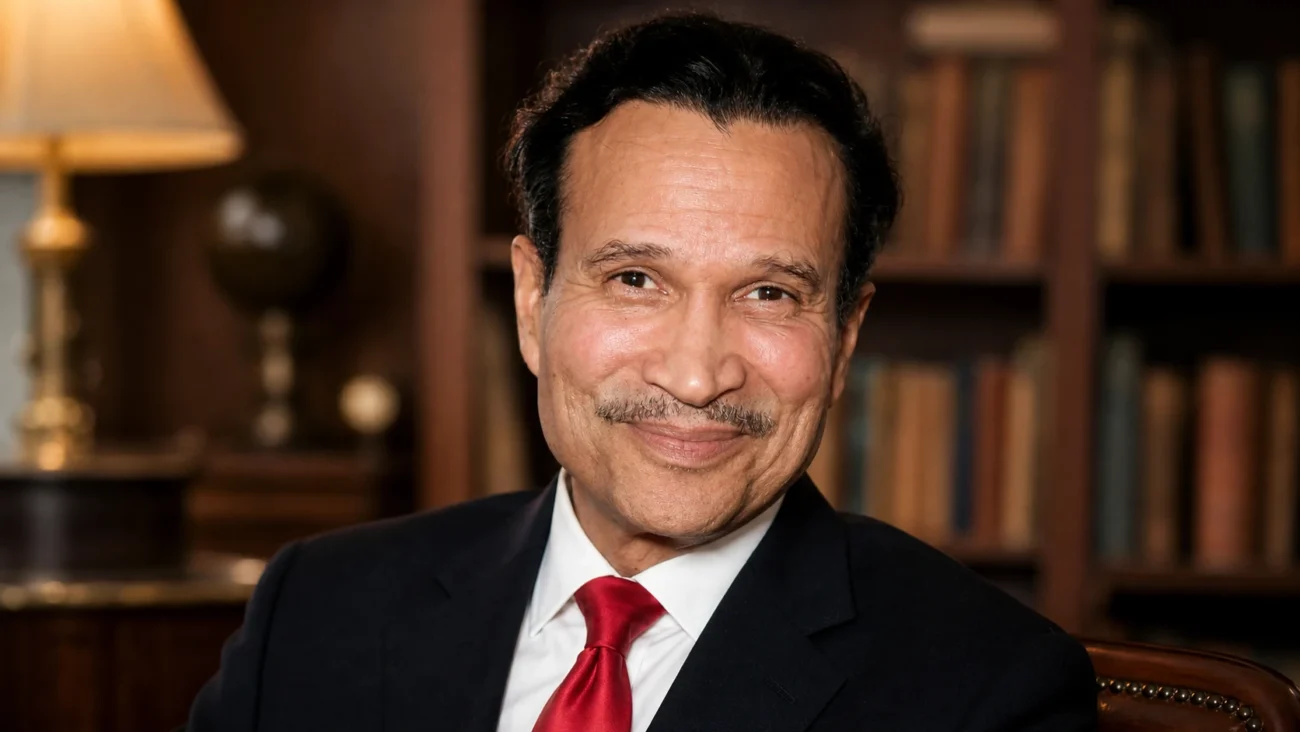
Khephra Burns is an American writer, producer, editor, and cultural historian whose career has centered on preserving overlooked stories and bringing African American history, achievement, and spirituality to wider audiences. Best known for books such as Mansa Musa: The Lion of Mali and Black Stars in Orbit, Burns has worked across publishing, television, theater, and public events for more than four decades.
Born on October 2, 1950, in Los Angeles, California, Burns grew up surrounded by aviation, music, and community history. His father was Tuskegee Airman Isham “Rusty” Burns, while his mother, Treneta Cecelia Davis Burns, became one of the early women pilots and worked as a corporate systems analyst. That family background shaped Burns’s lifelong interest in achievement, education, and stories that often received limited attention in mainstream media.
Beyond his professional achievements, Burns is also known publicly as the husband of Susan L. Taylor, the longtime editor-in-chief of Essence magazine. The couple has collaborated on creative projects, including the 1997 book Confirmation: The Spiritual Wisdom That Has Shaped Our Lives. While Burns has worked alongside major figures in entertainment and culture, he has maintained a relatively private personal profile.
Early Life and Family Background
Khephra Burns was raised in Southern California, including Compton and South Central Los Angeles. His childhood was strongly influenced by his parents’ careers and interests. Growing up around his father’s aviation work introduced him to the world of flight at an early age, an experience that later connected directly to one of his most recognized projects.
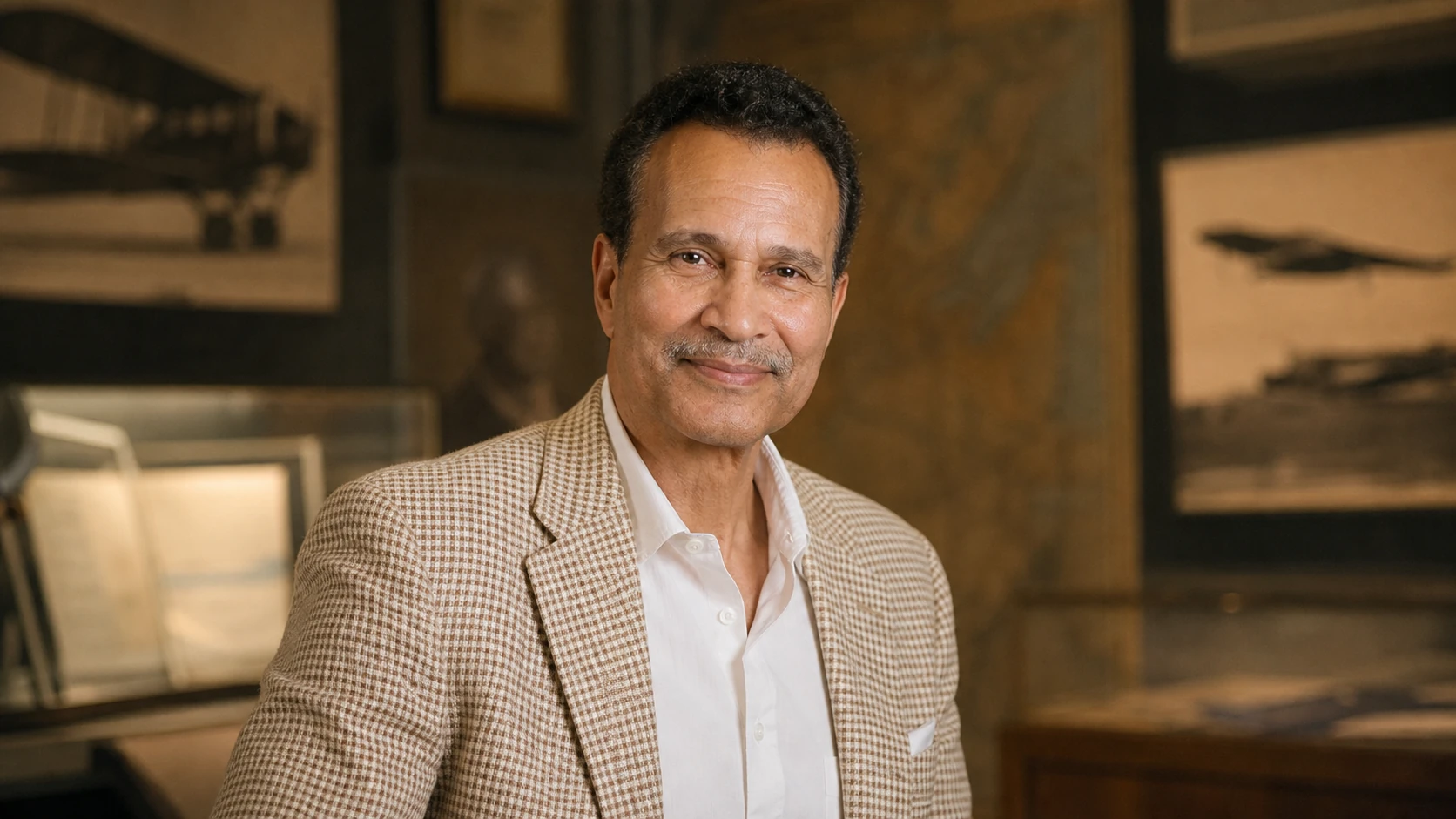
His father, Isham “Rusty” Burns, was part of the Tuskegee Airmen, the group of African American military pilots who trained during World War II. After the war, Rusty Burns continued his aviation career and operated Rusty’s Flying Service at Compton Airport, where he trained pilots and promoted opportunities in aviation.
Khephra Burns’s mother, Treneta Cecelia Davis Burns, also challenged traditional expectations of her era. She worked in corporate technology and became a pilot during a period when women and African Americans faced major barriers in aviation and technical fields.
The achievements of both parents influenced Burns’s later writing. Many of his projects focus on people who overcame social obstacles and contributed to fields where their accomplishments were often overlooked.
Education and Early Ambitions
Burns studied liberal arts at Moorpark Community College before attending the University of California, Santa Barbara, where he earned a bachelor’s degree in 1972. His studies included English literature and drama, subjects that prepared him for a career built around storytelling, research, and performance.
Before becoming widely known as a writer, Burns explored music and considered a future as a jazz musician. He played instruments including saxophone and flute and developed an appreciation for the relationship between artistic expression and cultural history.
His early professional experiences included writing publicity materials, speeches, and freelance projects. These jobs helped him develop the ability to write for different audiences, a skill that later became central to his work in television, publishing, and live productions.
Career Breakthrough in Television and Publishing
Burns’s professional breakthrough came through public television. In 1978, he joined WNET-Thirteen in New York as a writer and associate producer, gaining experience in documentary-style storytelling and educational programming.
His television career expanded through projects that examined African American history and culture. He worked on programs including Black Champions and contributed to productions connected with Essence: The Television Program, BET, and other cultural programming.
Burns became known as a writer who could combine research with strong narrative structure. His work often focused on historical figures, social achievements, and cultural traditions rather than entertainment alone.
His connection with Essence became one of the most visible parts of his career. He contributed writing to the magazine and related television projects, including The Essence Awards. He also wrote the anniversary poem “Essence Twenty-Five,” which was performed by Oprah Winfrey during a celebration of the publication’s history.
Major Books and Creative Work
One of Burns’s most recognized works is Black Stars in Orbit, created with filmmaker William Miles. The project began as a PBS documentary before becoming a book in 1995. It explored African American contributions to aviation and space exploration, connecting the Tuskegee Airmen with later Black astronauts and aerospace professionals.
The subject carried personal meaning because of Burns’s family connection to aviation. Instead of presenting space achievement as a single moment, the book examined the long path of education, military service, scientific training, and determination that made those achievements possible.
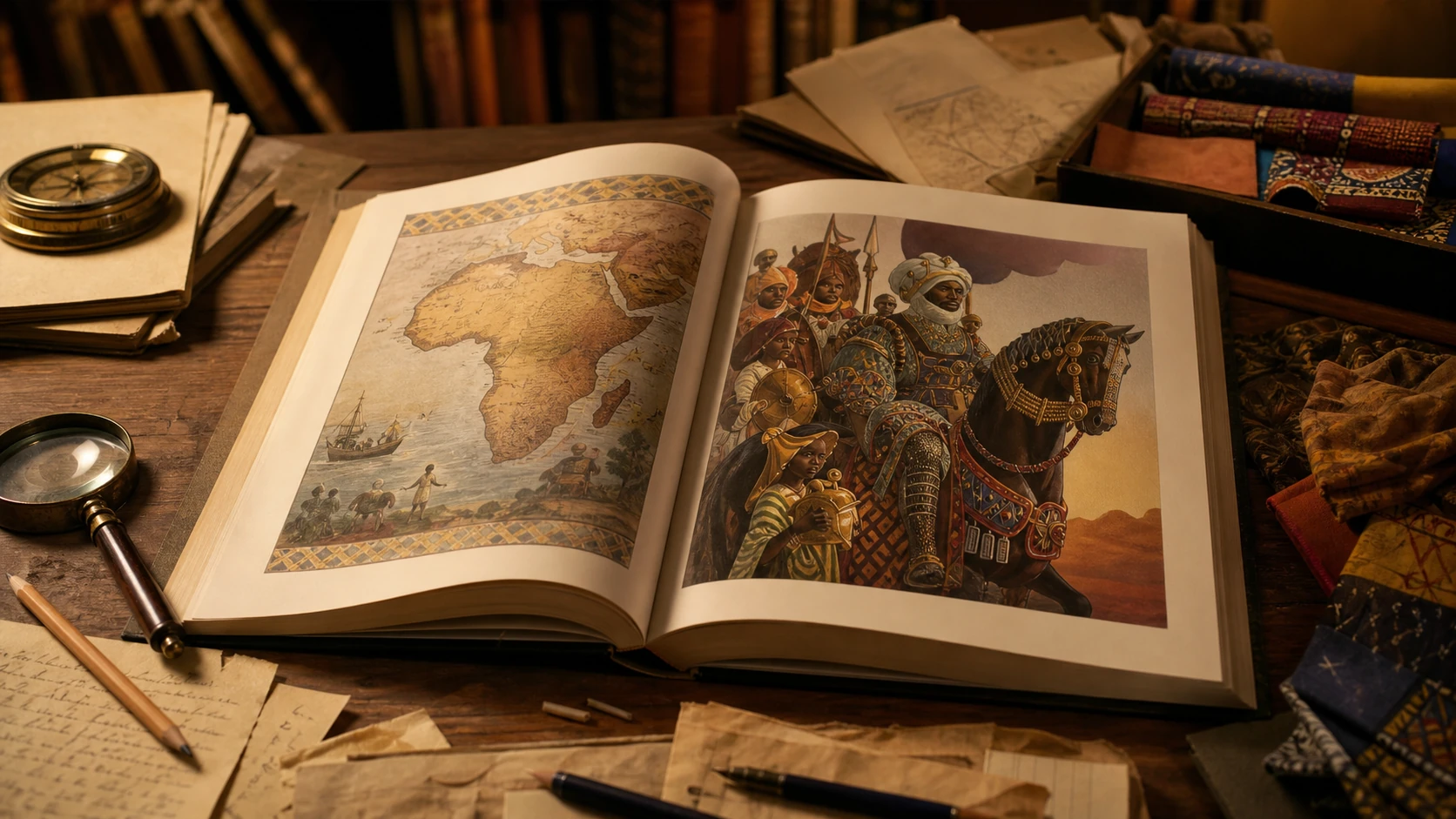
Burns also wrote Mansa Musa: The Lion of Mali, published in 2001 with illustrations by Leo and Diane Dillon. The book tells a fictionalized account inspired by the early life of Mansa Musa, the famous ruler of the Mali Empire.
The story introduced younger readers to a major African historical figure whose wealth, leadership, and influence are often unfamiliar outside academic settings. Burns combined historical information with imaginative storytelling, while acknowledging that many details of Mansa Musa’s childhood are not historically documented.
Another important project was Confirmation: The Spiritual Wisdom That Has Shaped Our Lives, which Burns edited with Susan L. Taylor. Published in 1997, the book collected spiritual reflections and writings from different traditions while exploring themes of faith, personal growth, and purpose.
Theater and Cultural Projects
Burns’s creative work has also extended into theater. He wrote Stackalee, a stage drama with music, after developing an earlier project about New Orleans spiritual figure Marie Laveau. The production reflected his interest in combining history, music, and performance.
He later created African Odyssey, which premiered at the Kennedy Center in 1997. The production explored themes of African heritage and cultural connection through theater.
Another major theatrical project was Tall Horse, developed with international collaborators. The production used puppetry to tell the story of a giraffe sent from Egypt to France in the nineteenth century. The work examined ideas of cultural exchange, diplomacy, and how historical events can be interpreted through art.
These projects show the range of Burns’s creative interests. He has worked not only as a writer of books and television programs but also as someone who builds stories for live audiences.
Marriage to Susan L. Taylor and Family Life
Khephra Burns married Susan L. Taylor on August 19, 1989. Taylor is best known as the former editor-in-chief of Essence, where she became one of the most influential figures in American magazine publishing.
The couple’s professional lives have often overlapped through books, cultural programs, and public events. Their collaboration on Confirmation brought together Burns’s writing background and Taylor’s editorial perspective.
Public information about Burns’s family life is limited. Sources identify Taylor’s daughter, Shana Nequai Taylor, as part of their family connection, but Burns and Taylor have generally kept personal matters away from public attention.
Unlike many public figures whose private lives become a major part of their identity, Burns has remained primarily known for his creative and cultural contributions.
Net Worth and Income Sources
Khephra Burns’s exact net worth is not publicly confirmed. There are no reliable public records showing his personal assets, salary history, or total earnings.
His income has likely come from multiple creative sources over his career, including book publishing, television production, writing assignments, editing work, speaking engagements, and cultural projects. However, specific earnings from these activities have not been publicly disclosed.
Online estimates that provide exact figures for Burns’s wealth should be treated cautiously because they are not supported by verified financial information.
Recent Work and Current Status
As of 2026, Burns remains connected to cultural and artistic initiatives. He is listed by the International ArtsGames Committee as secretary general of its International ArtsGames Cross Cultural Federation and as a senior producer.
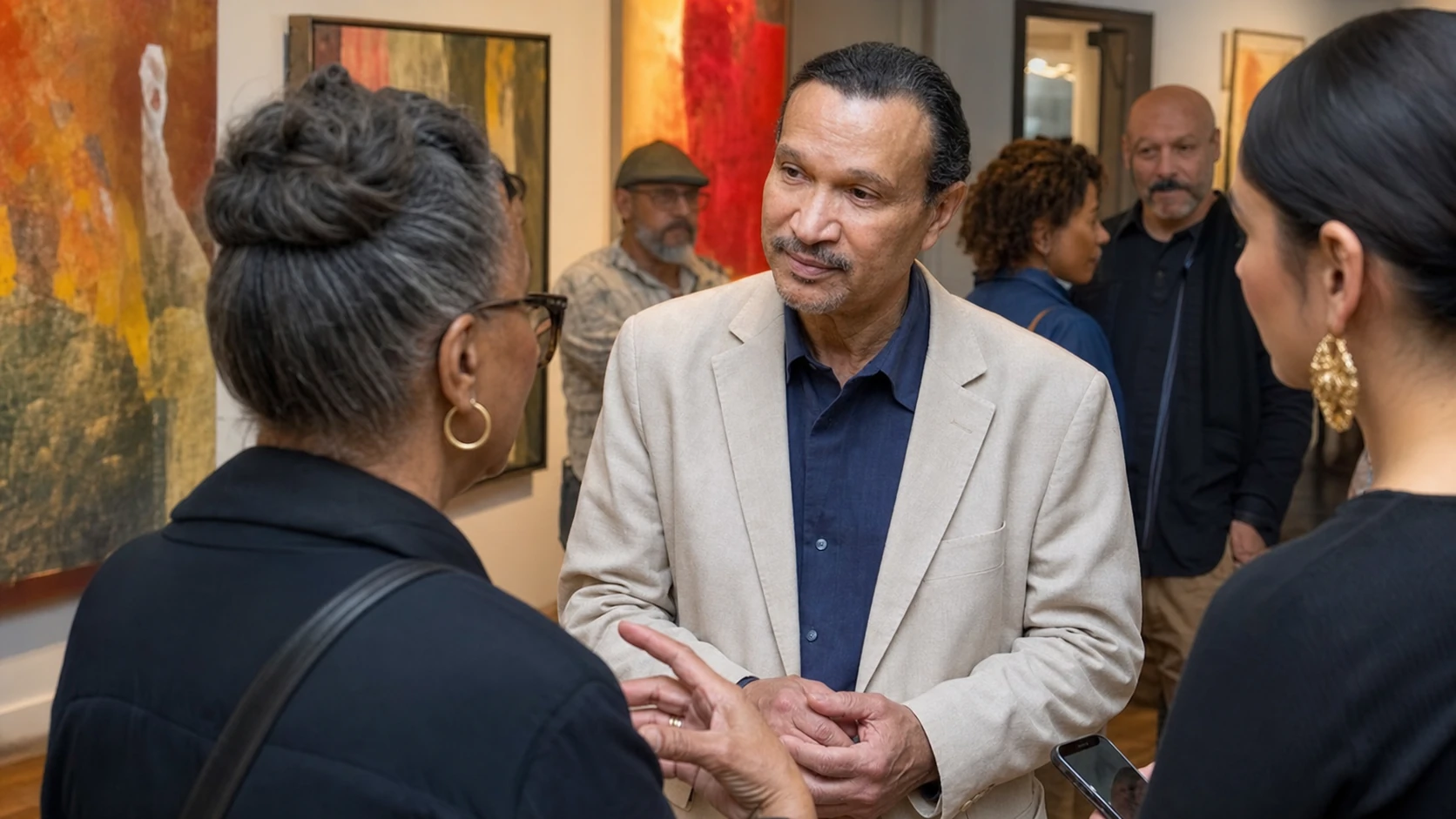
The ArtsGames project reflects themes that have appeared throughout Burns’s career: bringing together different artistic traditions, encouraging cultural exchange, and creating international platforms for creative expression.
In recent years, Burns has appeared less frequently in mainstream media, but his earlier work continues to receive attention through education, libraries, historical discussions, and cultural organizations.
His career has moved through several forms of storytelling, from television documentaries and children’s books to theater and institutional history projects. Rather than focusing on one medium, Burns has built a body of work centered on memory, achievement, and representation.
Public Image and Legacy
Khephra Burns has developed a reputation as a storyteller focused on history and cultural preservation. His work often highlights people and communities whose contributions have not always received equal recognition.
His connection to aviation through his family influenced one of his strongest themes: the importance of showing the full history behind major achievements. Whether writing about astronauts, African rulers, or spiritual traditions, Burns has consistently explored how personal stories connect to larger historical movements.
His career also reflects the changing nature of cultural storytelling. He has worked in print, television, theater, and live events at a time when each medium required different approaches to research and communication.
Although Burns is not a celebrity in the traditional sense, his influence comes from the stories he has helped bring forward and the institutions where his work has appeared.
Frequently Asked Questions
Who is Khephra Burns?
Khephra Burns is an American writer, producer, editor, and cultural historian known for books including Mansa Musa: The Lion of Mali and Black Stars in Orbit. He has also worked in television, theater, and cultural programming.
How old is Khephra Burns?
Khephra Burns was born on October 2, 1950. He is 75 years old as of 2026.
Where was Khephra Burns born?
Khephra Burns was born in Los Angeles, California, United States.
Who are Khephra Burns’s parents?
His parents were Isham “Rusty” Burns, a Tuskegee Airman and aviation instructor, and Treneta Cecelia Davis Burns, a pilot and corporate systems analyst.
Is Khephra Burns married to Susan L. Taylor?
Yes. Khephra Burns married Susan L. Taylor in 1989. Taylor is the former editor-in-chief of Essence magazine, and the two have collaborated on creative projects.
What books did Khephra Burns write?
His best-known books include Black Stars in Orbit, written with William Miles, and Mansa Musa: The Lion of Mali. He also co-edited Confirmation: The Spiritual Wisdom That Has Shaped Our Lives with Susan L. Taylor.
What is Khephra Burns doing now?
As of 2026, Burns is associated with the International ArtsGames Committee, where he serves as secretary general of its International ArtsGames Cross Cultural Federation and works on cultural initiatives.
Conclusion
Khephra Burns’s career has been defined by a commitment to stories that connect history, creativity, and identity. From documenting Black achievements in aviation and space exploration to introducing young readers to Mansa Musa, he has focused on expanding public understanding of important figures and events.
His work has crossed many fields, but the central idea has remained consistent: history is shaped by people whose contributions deserve to be remembered. Burns has spent decades bringing those stories into books, broadcasts, performances, and cultural projects.
While he has kept much of his private life away from public attention, his professional record shows a lasting contribution to American cultural storytelling. His legacy is tied not only to the projects that carry his name but also to the broader conversations those projects continue to inspire.
