
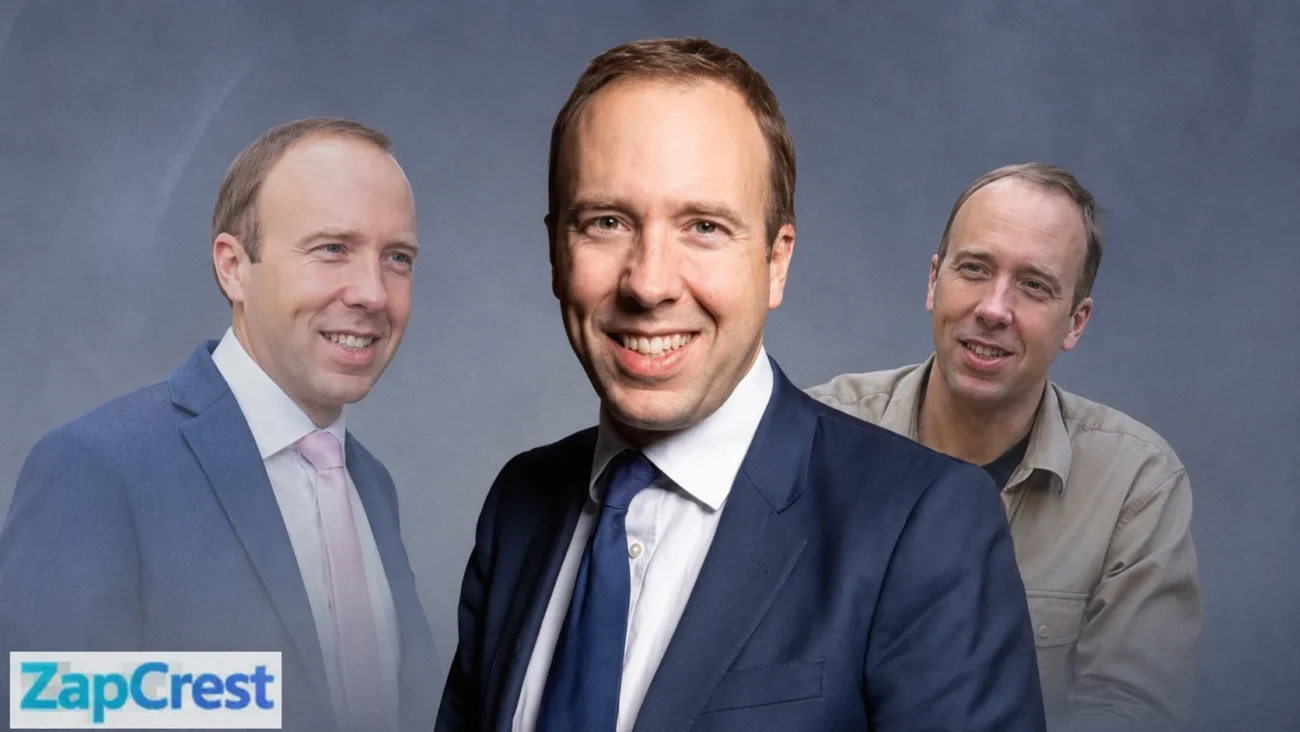
Matt Hancock’s public story is one of rise, crisis and reinvention. For years, he was a familiar face in British politics: a Conservative MP, a Cabinet minister, and then the health secretary who became one of the most visible figures during the Covid-19 pandemic. His career later took a sharp turn after his resignation from government, his appearance on reality television, and his decision to leave Parliament. That unusual path is why so many people search for “matt hancock net worth” today.
The truth is that Matt Hancock’s exact net worth is not publicly confirmed. There is no official public document that lists his personal assets, property value, savings, pensions, debts or investments. What can be assessed is the public record around his MP salary, ministerial income, declared outside earnings, book payments, television work and post-political career options. Taken together, those facts suggest a man who has earned substantial money from politics and media, though claims of a precise fortune should be treated carefully.
Who Is Matt Hancock?
Matt Hancock is a British former politician best known for serving as Secretary of State for Health and Social Care from 2018 to 2021. He became one of the central public faces of the UK government’s response to Covid-19, appearing regularly at press briefings and in broadcast interviews during a period of national anxiety. Before that, he held roles across government, including Secretary of State for Digital, Culture, Media and Sport. His career placed him close to power during some of the most intense years in recent British politics.
He was first elected as the Conservative MP for West Suffolk in 2010. Over the next decade, he built a reputation as an energetic moderniser with an interest in technology, digital policy and public service reform. He was never a politician who stayed quietly in the background for long. His fast rise reflected both personal ambition and the political churn of the Conservative governments that followed the 2010 election.
But Hancock’s name is now linked as much with controversy as with office. His resignation as health secretary in June 2021 came after footage showed him breaching Covid guidance during a relationship with aide Gina Coladangelo. Later, his appearance on I’m a Celebrity… Get Me Out of Here! turned him from a former minister into a reality television figure, drawing fresh criticism and curiosity about his earnings.
Early Life and Family Background
Matthew John David Hancock was born on October 2, 1978, in Chester, England. He grew up in Cheshire and was educated at King’s School, Chester, an independent school with a long local history. His family background was not one of aristocratic political inheritance, though it was comfortable and business-minded. His father ran a software company, which helped shape Hancock’s later interest in technology and digital change.
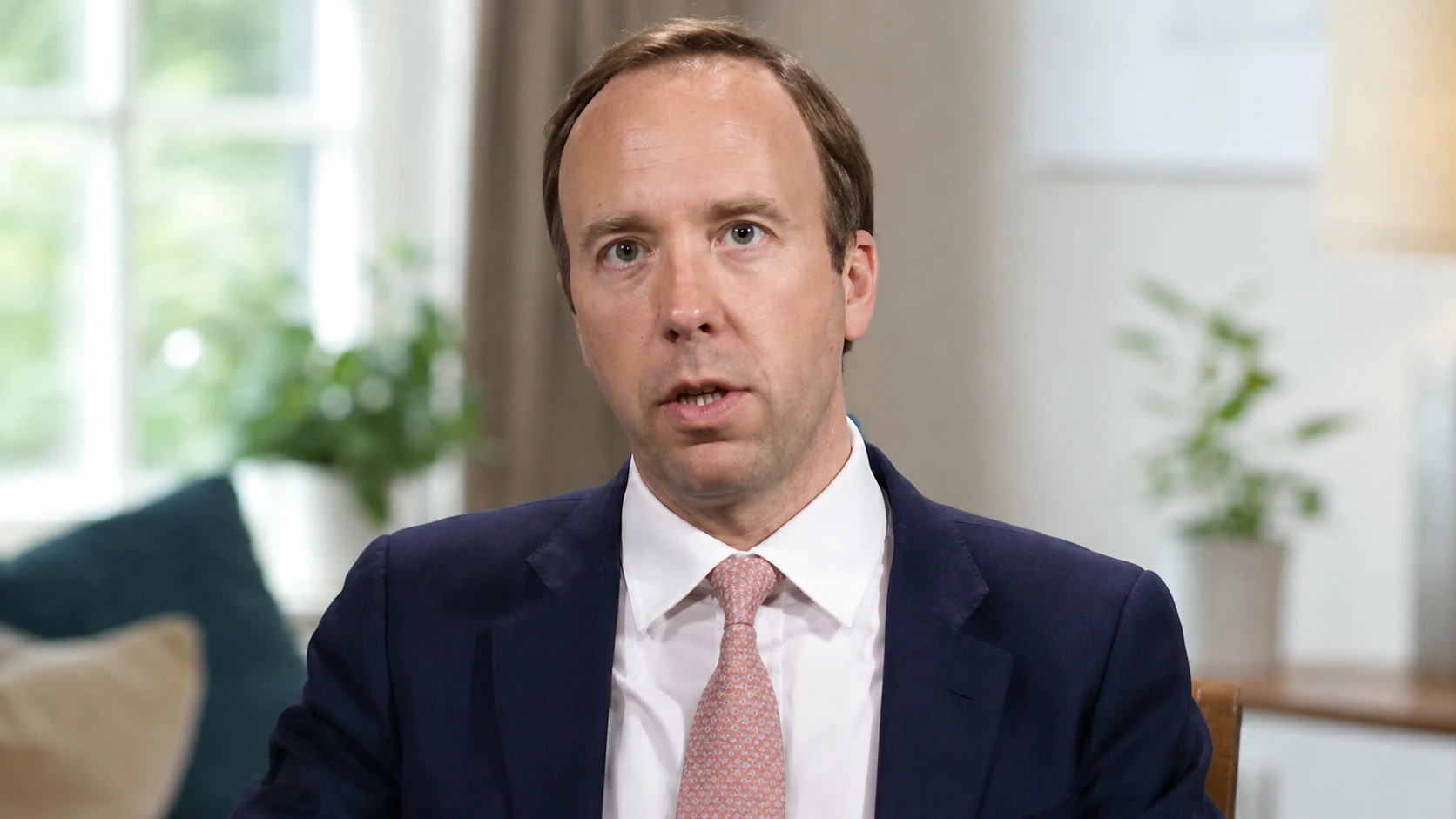
Early Life and Family Background
That early exposure to business and computers became a recurring theme in his public identity. Hancock has often presented himself as someone interested in modern systems rather than old political habits. He later spoke publicly about being dyslexic, a detail that became more prominent in his work on dyslexia awareness and education policy. It also gave him a personal connection to campaigns around screening and support for children with learning differences.
He studied at Exeter College, Oxford, where he read philosophy, politics and economics, the degree often associated with British political careers. He later earned a master’s degree in economics from the University of Cambridge. That academic path led naturally into policy work, banking and then Westminster. By the time he entered Parliament, Hancock had the classic profile of a modern Conservative rising figure: elite education, economic training, policy experience and a strong appetite for media.
Before Parliament: Banking and Policy Work
Before becoming an MP, Hancock worked as an economist at the Bank of England. That role gave him direct experience inside one of Britain’s most important financial institutions. It also strengthened his credentials as a politician who could speak about markets, public finance and economic policy with some technical grounding. This background later helped him as he moved into Treasury and business-facing roles.
He also worked as chief of staff to George Osborne, who later became Chancellor of the Exchequer. That job placed Hancock near the centre of Conservative strategy during the years before the party returned to government in 2010. It was a formative political apprenticeship. He learned how senior politics works not only through speeches and campaigns, but through discipline, messaging and policy detail.
When he entered the House of Commons in 2010, Hancock was part of a new Conservative generation shaped by David Cameron’s leadership. He represented West Suffolk, a safe Conservative seat, which gave him a secure platform from which to build a national career. He did not arrive as a celebrity politician. He became known through steady promotion, loyalty to party leadership and a willingness to take on demanding briefs.
Rise Through Government
Hancock’s ministerial rise was quick. He held junior roles in the Department for Business, Innovation and Skills and the Department for Education, later becoming Paymaster General and Minister for the Cabinet Office. These roles rarely create household names, but they matter inside government. They put ministers in contact with departments, officials, budgets and cross-government projects.
His profile grew further when he became Secretary of State for Digital, Culture, Media and Sport in January 2018. The role suited his interest in technology, and he promoted digital policy with visible enthusiasm. He was known for launching his own app, a move that drew mockery as well as attention. It captured both sides of Hancock’s image: energetic and media-aware, but sometimes too eager to present himself as modern.
In July 2018, he became health secretary after Jeremy Hunt moved to the Foreign Office. The job was already one of the hardest in government, with the NHS under pressure and social care reform unresolved. Nobody knew then that Hancock would become health secretary during the most serious public health emergency in generations. That crisis would define his reputation more than any earlier achievement.
Health Secretary During Covid-19
The Covid-19 pandemic made Matt Hancock a national figure. As health secretary, he was responsible for a vast department at a time when decisions carried life-or-death consequences. He appeared at Downing Street briefings, defended testing policy, addressed hospital pressure and spoke about vaccines, care homes and public restrictions. Few ministers in recent British history have faced such sustained public scrutiny.
The role brought visibility, but it also brought anger and lasting questions. Families affected by care home deaths, delayed treatment and pandemic restrictions have continued to scrutinize decisions made during his time in office. Hancock has defended his record and argued that ministers were acting under immense pressure with fast-changing evidence. Critics argue that mistakes were made and that accountability remains necessary.
His pandemic role is central to any discussion of his public image and earnings. The fame that later helped him secure paid media work came from a period of national trauma. That is why his net worth and outside income became more sensitive than they might have been for a less controversial former minister. His money story cannot be separated from the public memory of Covid-19.
Resignation and Personal Turning Point
Hancock resigned as health secretary in June 2021 after CCTV footage showed him kissing Gina Coladangelo, who was then an aide, in breach of social distancing guidance. The story became a major political scandal because the government had asked the public to follow strict rules on contact and behaviour. Hancock apologized for breaking the guidance and left office. The episode damaged his authority and changed the course of his career.
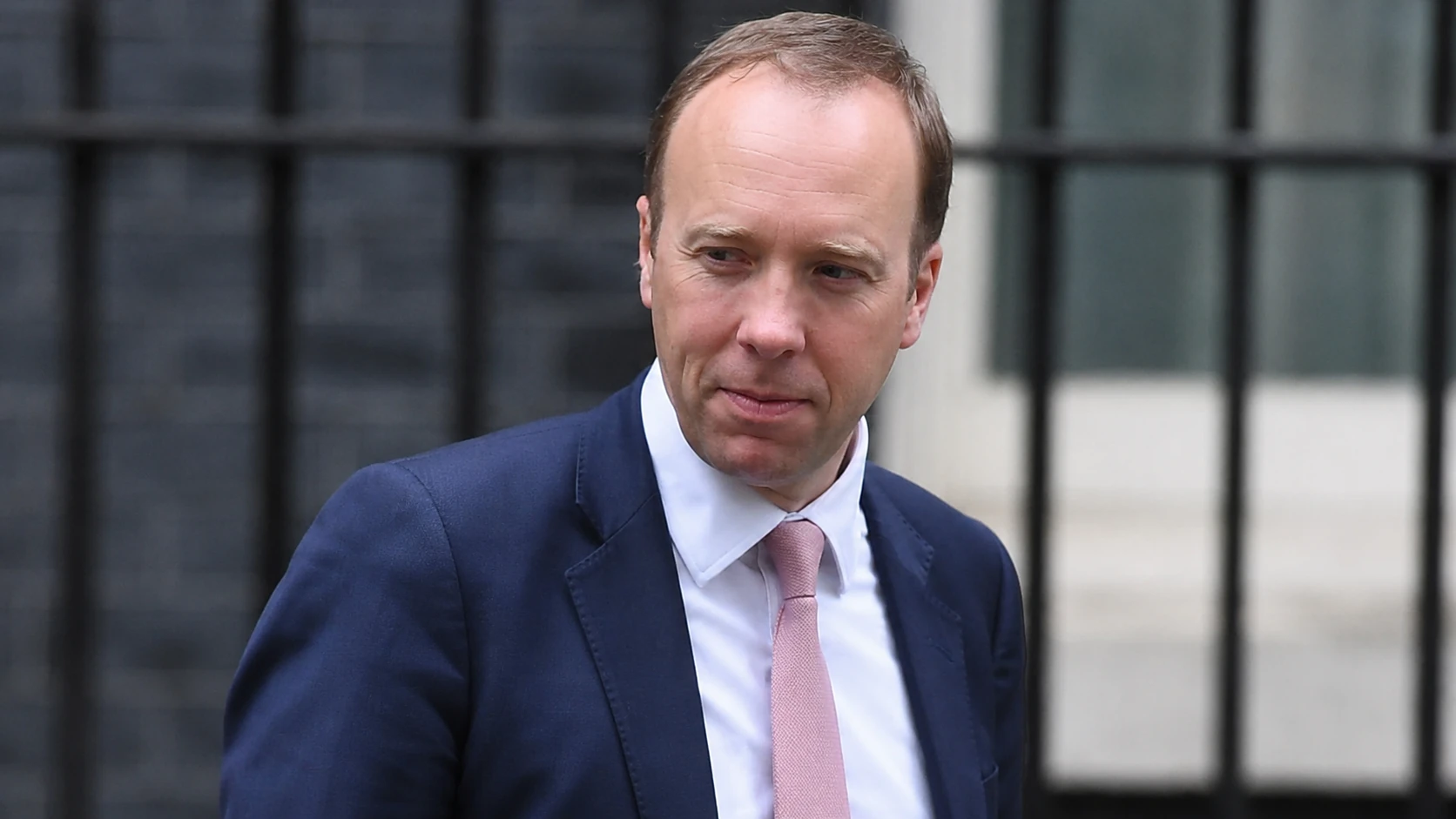
His marriage to Martha Hoyer Millar, whom he had married in 2006, also ended around that period. The couple have children together, and Hancock has generally kept details of his children’s lives private. That restraint is appropriate, given that they are not public figures. His relationship with Coladangelo later became part of his public life, though the private details remain beyond what any fair profile should overstate.
The resignation marked the point at which Hancock’s political future became uncertain. He remained an MP, but he was no longer on a clear path back to high office. For a politician who had risen quickly, the fall was severe. It also opened the door to a different kind of public career, one based less on parliamentary power and more on media exposure.
Matt Hancock Net Worth and Main Income Sources
Matt Hancock’s net worth is best described as estimated rather than verified. Based on public information, his wealth likely comes from several sources: his long parliamentary salary, ministerial pay, pension value, television income, book-related payments, speaking or media appearances, and any private assets. Public records confirm some earnings, but they do not reveal the full personal balance sheet needed for an exact figure. Any claim that gives a neat number should be treated as an estimate unless backed by documents.
As an MP, Hancock earned a public salary for about fourteen years. By the final years of his time in Parliament, the basic MP salary was above £90,000 a year. Cabinet ministers receive additional ministerial pay, meaning Hancock’s income was higher during his years in senior office. That long stretch of well-paid public work forms the foundation of his likely wealth.
His largest publicly discussed private payment came from I’m a Celebrity… Get Me Out of Here! in 2022. His declared payment was widely reported as £320,000, while reports also discussed a larger gross fee before deductions. That one appearance earned several times the annual salary of many workers, which is one reason the story attracted such strong reaction. It also became the clearest example of Hancock converting political notoriety into media income.
The Reality TV Fee and Public Backlash
Hancock’s decision to appear on I’m a Celebrity was one of the most unusual choices made by a former Cabinet minister still sitting as an MP. He entered the jungle in late 2022, eating challenge food, speaking about his mistakes and trying to show a more personal side. Some viewers saw the appearance as humanizing. Many others saw it as inappropriate for an MP whose constituents still expected representation in Westminster.
The Conservative Party suspended the whip after the appearance was announced. That meant Hancock sat as an independent MP, even though he had been elected as a Conservative. The decision increased the sense that his television move had placed personal publicity ahead of party loyalty and parliamentary duty. For critics, the large fee made the optics worse.
From a financial perspective, the show was a major income event. But the payment must be understood as gross income, not pure net worth. Taxes, agent fees, professional costs and any charitable donations would affect how much money he retained. Even so, it likely gave him a significant financial boost at a time when his future in elected politics looked limited.
Book Income and Media Work
Hancock also published Pandemic Diaries: The Inside Story of Britain’s Battle Against Covid in 2022. The book was presented as his account of decision-making during the crisis. It drew attention not only because of its subject, but because journalist Isabel Oakeshott helped with the project and later released Hancock’s WhatsApp messages to the Daily Telegraph. That episode created a second wave of scrutiny around trust, source material and the politics of the pandemic record.
Book income is harder to estimate than a single television fee. Public declarations showed payments connected with interviews, serialisation and royalties, but total long-term earnings depend on sales, contracts, rights and deductions. Hancock also declared some book-related income as donated to charity. These details suggest that publishing added to his income, but not necessarily at the same scale as television.
He also earned money from media appearances and related work. Former senior politicians often receive payments for interviews, speeches, commentary, consulting and events. Hancock’s market value came from his name recognition, his pandemic role and the controversy around him. That fame is financially useful, though it can also limit the types of organizations willing to work with him.
Business Interests and Company Records
Matt Hancock has been connected with a private limited company, Matthew Hancock Ltd, which appears in public company records. Such records can show incorporation dates, filings and basic company status. They do not, by themselves, reveal his full personal wealth. A company can exist for professional, administrative or income-management reasons without holding large assets.
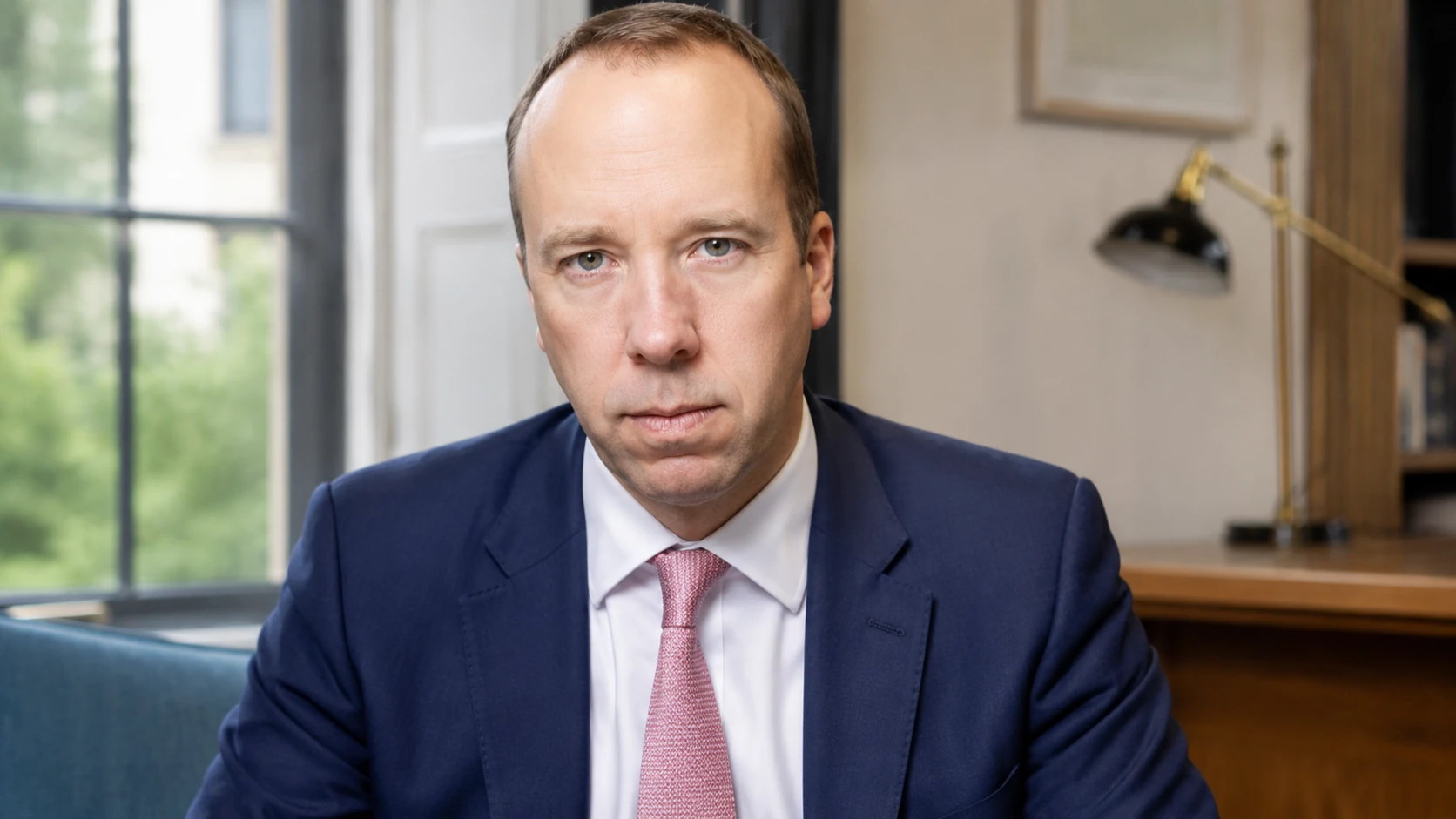
This is where many online net worth articles become unreliable. They may point to a company record and assume it proves personal riches. In reality, company accounts and personal net worth are different things. Personal wealth depends on assets, liabilities, tax position, property, pension rights and private financial choices that are not fully public.
The safest conclusion is that Hancock has had access to several strong income streams. He earned a high public salary for years, received extra ministerial pay, gained a major television fee and developed post-Parliament media opportunities. That supports a comfortable financial picture. It does not support a precise public number.
Marriage, Children and Private Life
Hancock married Martha Hoyer Millar in 2006. She comes from a well-known family background; her grandfather was Frederick Millar, 1st Baron Inchyra, a British diplomat. During much of Hancock’s political career, Martha stayed largely outside the public spotlight. They have children together, and Hancock has generally avoided making them part of his media identity.
The end of the marriage became public after the 2021 scandal involving Gina Coladangelo. Coladangelo, a former communications executive and aide, had known Hancock from their university days. Their relationship became widely reported because it was tied to the breach of Covid guidance that ended his time as health secretary. Still, the personal details should be treated with care because the wider public interest lies in conduct, office and accountability, not private pain.
For Hancock, the personal and political consequences overlapped. His family life was exposed at the same time his ministerial career collapsed. That combination made him a tabloid subject as well as a political figure. It also shaped how later attempts at image repair were received.
Public Image After Parliament
Hancock announced that he would not stand again for Parliament at the next general election. He left the House of Commons in 2024, closing a chapter that had begun with his election in 2010. By then, his relationship with the Conservative Party had changed, and his public identity had moved beyond ordinary party politics. He was no longer simply a former minister; he had become a contested media figure.
His post-Parliament image is complicated. Some people see him as a man trying to rebuild after serious mistakes. Others believe he has never fully answered for decisions made during the pandemic. His appearances in entertainment and publishing have kept him visible, but they have not restored the broad political credibility he once had. That tension is central to his current status.
Not many people know this, but Hancock’s longer-term public work may lean more toward dyslexia campaigning, technology and health-related discussion than electoral politics. He has spoken about dyslexia from personal experience and has supported greater screening and awareness. Those areas may offer him a more constructive public role. Whether the public accepts that shift remains uncertain.
Why His Net Worth Still Attracts Attention
Search interest in Matt Hancock’s net worth is not only about curiosity over money. It reflects a broader question about what public figures can earn after leaving high office. Hancock’s case is especially charged because his celebrity income followed his role in the pandemic. The public is not just asking how much he made; many are asking whether he should have made it.
There is also a fascination with political reinvention. Hancock moved from Cabinet meetings and crisis briefings to reality television trials and personal interviews. That shift was dramatic, and it blurred lines between politics, celebrity and accountability. The money attached to that shift made it even more visible.
The truth is, Hancock’s net worth matters because it tells a wider story about modern public life. Senior politicians build name recognition through public service, but that recognition can later become private earning power. In Hancock’s case, the source of that recognition was a national emergency. That is why the subject remains sensitive.
Where Matt Hancock Is Now
Matt Hancock is no longer an MP and no longer holds ministerial office. His career now appears to sit between public commentary, private work, campaigning and media opportunities. He has suggested that he wants to communicate outside Parliament, and his choices since leaving government show a clear willingness to use non-traditional platforms. That makes him different from former ministers who retreat quietly into advisory roles or boardrooms.
His future earning power will depend on whether he can turn notoriety into stable professional credibility. Reality television provided a large one-off payment, but it does not guarantee a long-term career. Books and media appearances can continue, though public interest may fade unless new events keep his story relevant. Private-sector work, especially around technology or health, may offer steadier income if reputation barriers can be managed.
For now, the most honest picture is a former senior politician with comfortable earnings, a damaged but still recognizable public brand and a complicated legacy. Matt Hancock’s net worth is likely substantial by ordinary standards, but the exact figure remains private. What is clear is that his financial story is inseparable from his political rise, his pandemic role and the choices he made after power.
Frequently Asked Questions
What is Matt Hancock’s net worth?
Matt Hancock’s exact net worth is not publicly confirmed. Most estimates should be treated cautiously because they do not have access to his private assets, debts, property value, pension position or tax records. Based on his long political salary, ministerial earnings and media payments, he is likely financially comfortable, but a precise figure cannot be verified.
A cautious estimate would place his wealth somewhere in the lower millionaire range or below, depending on private liabilities and retained income. That estimate is not an official valuation. The strongest public evidence concerns income sources, not total wealth.
How did Matt Hancock make his money?
Hancock made money through his salary as an MP, additional ministerial pay while serving in government, media appearances, book-related payments and reality television work. His largest known public payment came from I’m a Celebrity… Get Me Out of Here! in 2022. He also earned from interviews, audiobook work and publishing connected with his pandemic memoir.
His earlier career at the Bank of England and in political advisory work also formed part of his professional background. But his main long-term income came from public office. After leaving government, his earnings became more connected to media and private opportunities.
How much was Matt Hancock paid for I’m a Celebrity?
Hancock’s declared payment for I’m a Celebrity… Get Me Out of Here! was widely reported as £320,000. Reports also discussed a larger gross fee, often stated as £400,000, before deductions such as agent fees. Either way, the appearance was a major financial event in his post-government life.
The fee drew criticism because he was still an MP at the time. Many critics felt the appearance was inappropriate given his parliamentary responsibilities and his role during the pandemic. Supporters argued that he had the right to speak to the public in a different setting.
Is Matt Hancock still an MP?
No, Matt Hancock is no longer an MP. He represented West Suffolk from 2010 until 2024. He announced before the 2024 general election that he would not stand again, ending his parliamentary career after roughly fourteen years.
His departure means he no longer receives an MP salary. His future income depends on private work, media, writing, speaking, campaigning and any business interests. That shift makes his post-Parliament earnings harder to predict.
Who is Matt Hancock’s partner?
Matt Hancock’s relationship with Gina Coladangelo became public in 2021 after footage showed them breaching Covid guidance. The episode led to his resignation as health secretary and the end of his marriage to Martha Hoyer Millar. Coladangelo had worked as an aide and had known Hancock before their time in government.
The relationship became public because of its connection to ministerial conduct and pandemic rules. Beyond that, private family details should be treated carefully. Hancock’s children are not public figures and should not be drawn into speculation.
Why is Matt Hancock controversial?
Hancock is controversial mainly because of his role in the government’s Covid-19 response and the circumstances of his resignation. As health secretary, he was involved in decisions on testing, restrictions, care homes, hospitals and public health messaging. Those decisions remain part of public debate and official scrutiny.
His breach of Covid guidance damaged public trust because he had helped communicate rules that others were expected to follow. His later move into reality television added another layer of criticism. For many people, the issue is not just what he earned, but how and when he chose to earn it.
Conclusion
Matt Hancock’s life after power shows how quickly a political career can change shape. He entered Parliament as a capable Conservative moderniser, rose to one of the toughest jobs in government and became a household name during a national crisis. Then his authority collapsed in a personal and political scandal that reshaped everything that followed.
His net worth is part of that larger story, not a separate curiosity. The money came from salary, office, media attention and the market value of a name made famous by crisis. Some of those earnings are confirmed, while the final size of his personal wealth remains private.
What makes Hancock still matter is not only the amount he has earned. It is the question his career leaves behind about responsibility, reinvention and public trust. His next chapter will show whether he can build a role beyond controversy, or whether the pandemic years will remain the defining frame around his name.
