
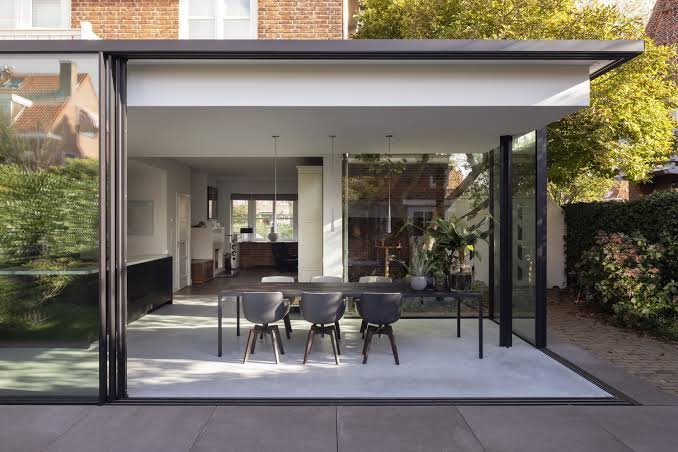
I wanted the big glass wall facing the sunniest part of the garden. Obvious, right. More sun, more light, more glass. The london house extension architect I had hired quietly disagreed and suggested putting most of the glazing on a different side entirely. I argued. She held firm. A year later, sitting in a bright room that never overheats, I finally get it.
I had assumed light was simple. Point the windows at the sun and youre done. What I didnt understand is that the brightest aspect can also be the harshest, turning a beautiful glass room into an unusable greenhouse for half the year.
My south facing garden looked like the obvious place for a wall of glass. The architect explained that without careful handling, that wall would bake the room in summer and force us to draw blinds against the glare, defeating the whole point. She wasnt refusing me a nice room. She was saving me from a hot, bright, uncomfortable one.
The Mistake I Was About to Make
My plan was a huge south facing glass wall, because south gets the most sun. In my head, more sun meant a brighter, happier room. Simple maths.
The reality is more complicated. South facing glass in summer, with the sun high and strong, pours heat into a room. Without shading or clever design, it becomes uncomfortably hot, and you end up closing blinds you paid a fortune to see through.
I was about to spend heavily on a glass wall that would have made the room worse to sit in for much of the year. The architect saw that coming. I just saw sunshine.
Why Orientation Changes Everything
She walked me through how light actually behaves through the day. South brings the strongest, hottest light. West gives harsh low evening sun. East offers gentle morning light. North gives soft, steady light with no glare at all.
Each direction suits different uses. A room you sit in during the afternoon doesnt want to be cooking in direct southern heat. A space for relaxing might do better with calmer light and a controlled view of the sun, not a full wall of it.
I had treated all sunlight as equally good. She understood it as different qualities of light, each with a right and wrong use. That distinction was completely new to me.
The Design She Suggested Instead
Rather than one enormous south facing glass wall, she spread the glazing more cleverly. Generous glass where the light was kind, plus rooflights to bring in brightness from above without the wall of heat.
She added some shading too, a slight overhang that blocked the high summer sun but let the lower winter sun reach inside. So the room stayed cool in July and warm in December. The opposite of what my glass wall would have done.
The result was a room full of light that never overheated. A bright space we could actually use comfortably all year, rather than a beautiful oven I would have learned to resent.
The Comfort I Didnt Know to Ask For
Living in the finished room, the difference is obvious. On a hot summer day it stays pleasant. No squinting against glare, no drawing blinds, no fans running to cope with trapped heat.
In winter, the lower sun reaches deeper into the room, warming it naturally. The design works with the seasons instead of fighting them. None of that would have happened with my original plan.
A thoughtfully glazed double storey extension or any extension handles light as carefully as it handles space. Ours did, and the everyday comfort is something I never thought to ask for but now couldnt live without.
Why I Was Wrong to Argue
At the time, her refusal frustrated me. I had a clear picture and she was changing it. It felt like she wasnt listening.
In fact she was listening to something I hadnt said. I didnt want a glass wall. I wanted a bright, comfortable room. The glass wall was my guess at how to get there, and it was the wrong guess.
A good architect gives you what you actually want, not always what you literally ask for. She understood the goal better than my own instructions did. Arguing with her was arguing against my own comfort, I just couldnt see it yet.
What to Think About Before You Glaze
Dont assume the sunniest wall is the right place for all your glass. Think about when youll use the room and what the light does at that time of day in that direction.
Ask your architect about overheating, glare, and shading, not just about how much glass you can fit. The aim is comfortable light all year, not maximum glass that you end up hiding behind blinds.
Six to eight months from that argument to a finished room that gets the light exactly right. I wanted glass pointed at the sun. The architect knew that would cook me. She gave me comfort instead of a greenhouse, and she was right to refuse me. Trust the advice on light. It is harder to get right than it looks.
