

Patricia Beech entered public memory on a winter day in 1952, not because she was chasing fame, but because she married a man who was already becoming one of America’s most adored singers. Outside St. Patrick’s Cathedral in New York, young female fans reportedly gathered in black as Tony Bennett married the woman who had captured his heart. It was a strange, theatrical scene for a private young bride, and it became one of the most repeated details of her life.
Beech is best known as Tony Bennett’s first wife and the mother of his two eldest sons, Danny and Dae Bennett. Her name appears in biographies of the legendary singer, in family timelines, and in articles about Bennett’s children and estate. Yet Patricia herself remained a private figure, someone whose life was shaped by fame without becoming a celebrity career of its own.
That makes her biography different from the usual public profile. There are confirmed facts about her marriage, children, separation, and divorce, but far less is publicly known about her later years, personal ambitions, or daily life after Bennett. The most honest portrait of Patricia Beech is not a loud celebrity story, but a careful look at a woman whose private life intersected with one of the longest careers in American popular music.
Who Is Patricia Beech?
Patricia Beech is widely known as the first wife of Tony Bennett, the Grammy-winning American singer born Anthony Dominick Benedetto. Bennett became famous in the early 1950s with romantic pop recordings and later built a career that lasted across generations. Beech was beside him during the first wave of that fame, before his comeback years, late-career collaborations, and final public tributes.
She married Bennett on February 12, 1952, in New York City. Their marriage produced two sons, D’Andrea “Danny” Bennett and Daegal “Dae” Bennett, both of whom later became important figures in music and in their father’s professional story. Danny became Tony Bennett’s longtime manager, while Dae built a respected career as a producer and recording engineer.
Unlike Bennett’s later public life, Patricia Beech’s own story stayed mostly outside the media. She did not build a public brand from the marriage, and there is no strong evidence that she sought attention after the divorce. For that reason, any responsible article about her has to respect the limits of the public record.
Early Life and Background
Patricia Beech is often described as an Ohio-born young woman who was interested in art and music when she met Tony Bennett. Some public profiles identify her as Patricia Ann Beech and place her birth in the early 1930s, though many details about her family background are not firmly documented in major public sources. What is usually repeated is that she was a young art student when her life crossed paths with Bennett’s.
Her early life has not been covered in the same depth as Bennett’s childhood in Queens, New York. That is not unusual for a person who became known through marriage rather than through a public career. Most of what readers can find about her begins with the moment she met Bennett, leaving her upbringing, schooling, and family environment only lightly sketched.
That lack of information should not be treated as an invitation to invent detail. Beech was a real person with a life before and after Tony Bennett, but public documentation of that life is limited. The most reliable approach is to say clearly what is known and avoid turning thin claims into hard fact.
Meeting Tony Bennett in Cleveland
Patricia Beech met Tony Bennett in Cleveland in the early 1950s, when Bennett was moving quickly from promising young singer to national star. He had already begun attracting the kind of fan attention that made his private life interesting to the press. Beech, often described as an art student and jazz fan, came into his orbit during this early period of professional momentum.
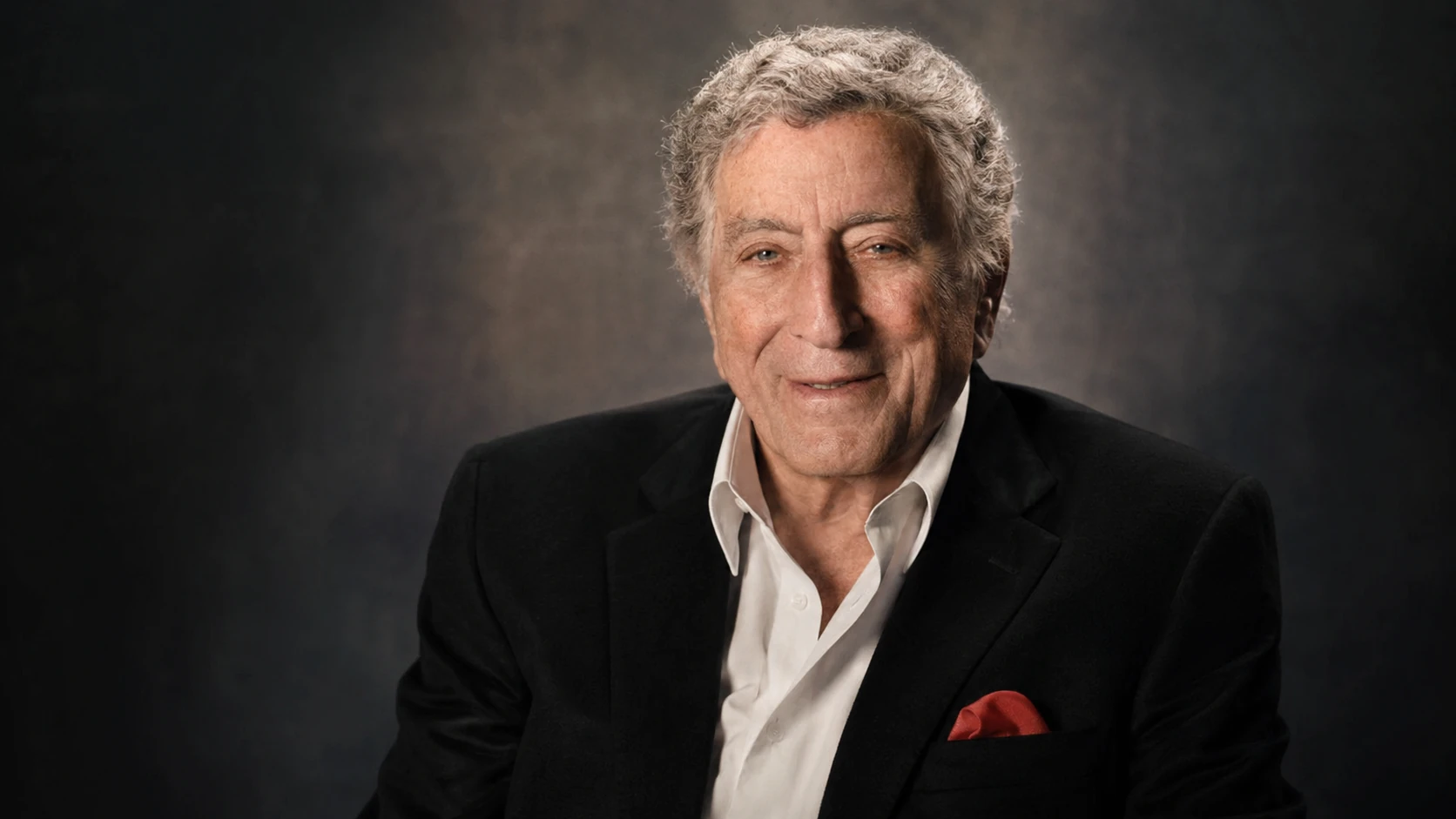
Their meeting is usually placed around 1951, a year before their wedding. Bennett was performing regularly and building a reputation for warmth, polish, and emotional directness. For Beech, the relationship meant entering a world of touring schedules, recording commitments, and the intense admiration of fans who saw Bennett as a romantic figure.
The romance developed quickly, and the couple married the following year. That speed was not unusual for the time, but the public attention around Bennett made it far from ordinary. From the beginning, Patricia Beech’s marriage existed in the space between private affection and public fascination.
The Famous 1952 Wedding
Patricia Beech and Tony Bennett married on February 12, 1952, at St. Patrick’s Cathedral in Manhattan. The wedding became famous because of the crowd outside the church. Reports have long described young female fans dressed in black, acting as though they were mourning the loss of Bennett as an available romantic idol.
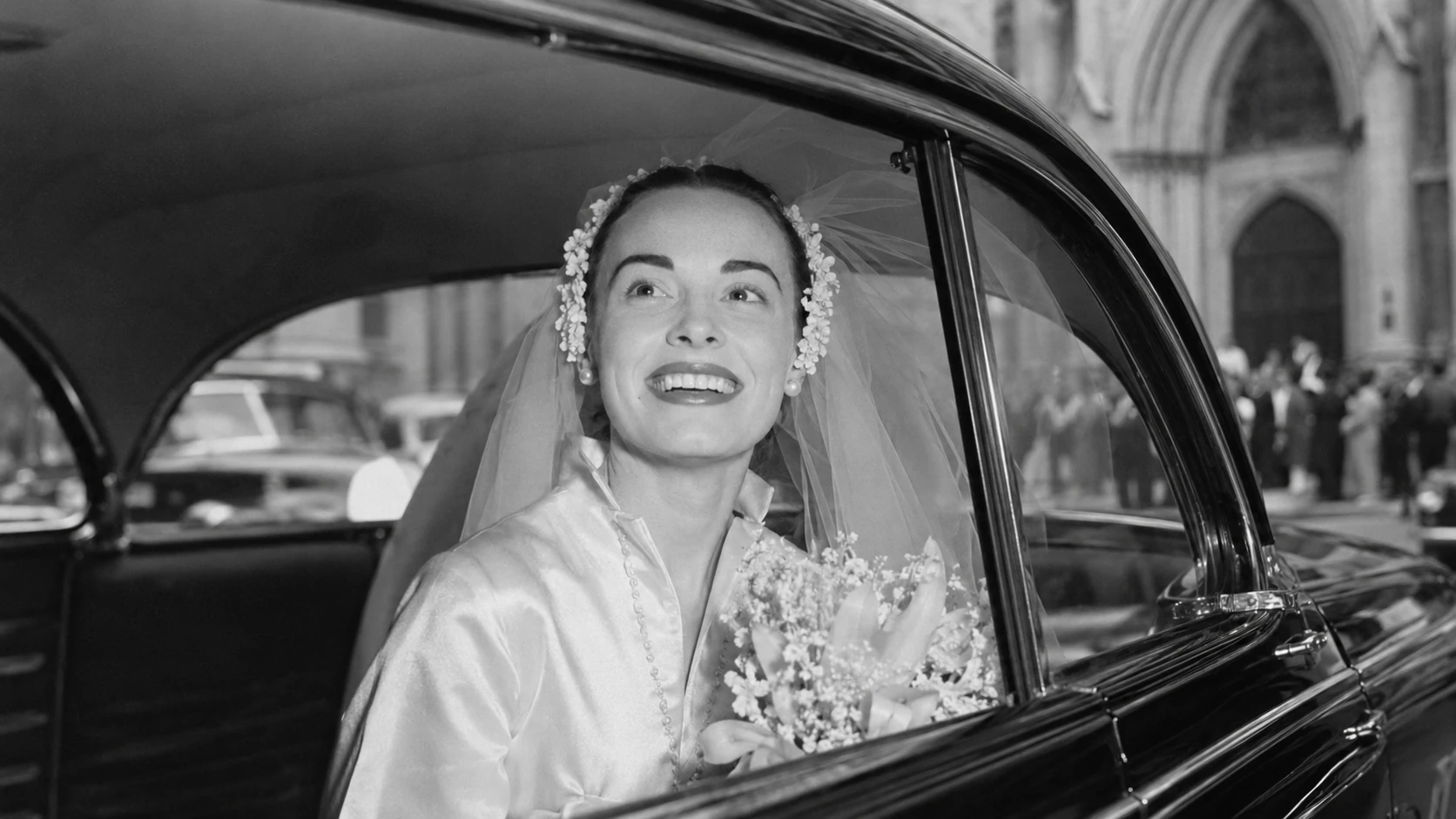
It was a striking image, and it says a great deal about Bennett’s early appeal. He was not yet the elder statesman of American standards, but a young singer whose voice and image inspired devoted attention. The scene outside the cathedral turned a personal wedding into a public moment.
For Beech, that attention must have been complicated. A bride’s wedding day is usually about family, faith, and commitment, but hers became part of a celebrity narrative almost immediately. The story is often told with charm, yet it also shows how little control she had over the way her life would be remembered.
Marriage During Tony Bennett’s Rise
The early years of Patricia Beech’s marriage to Tony Bennett unfolded during a demanding phase of his career. Bennett was recording, performing, appearing in public, and trying to secure his place in a music business that could be both rewarding and unforgiving. His career required travel, discipline, and constant visibility.
Marriage to a rising entertainer came with pressures that were hard to avoid. Bennett’s work took him away from home, and his public image made him the focus of attention wherever he went. Beech was not simply married to a working musician; she was married to a man whose face, voice, and romantic appeal belonged partly to the public.
That kind of marriage can strain even stable relationships. The records do not give a complete private account of their home life, and it would be unfair to pretend otherwise. Still, the broad outline is clear: the couple began with romance and family hopes, but the demands of Bennett’s career became part of the emotional weather around them.
Becoming a Mother
Patricia Beech and Tony Bennett welcomed their first son, D’Andrea Bennett, known as Danny, in 1954. Their second son, Daegal Bennett, known as Dae, was born in 1955. The births of their sons gave the marriage a family foundation and linked Beech permanently to the Bennett legacy.
Danny Bennett later became one of the most important people in Tony Bennett’s professional life. As his father’s manager, he helped guide a major career revival by presenting Bennett to younger audiences while keeping his classic musical identity intact. That strategy helped Bennett remain relevant across changing decades without forcing him to become someone else.
Dae Bennett followed a different path inside music. He became a producer and recording engineer, working in the studio world where sound, craft, and technical skill matter deeply. Through Danny and Dae, Patricia Beech’s family story continued to shape Tony Bennett’s public legacy long after her marriage to him ended.
The Strain Behind the Public Image
Tony Bennett’s public image was elegant, romantic, and steady, but his private life was more complicated. By the 1960s, his marriage to Patricia Beech was under strain. The couple separated in 1965, after more than a decade together and two children.
Several accounts of Bennett’s life point to long absences and career pressure as factors in the marriage’s decline. The life of a traveling singer often placed work before routine family presence, especially during the mid-century entertainment era. Beech was left in the difficult position of being connected to fame while also dealing with the ordinary demands of family life.
The truth is, no public timeline can fully explain the end of a marriage. Legal records and biographies can tell us dates and outcomes, but they cannot capture every disappointment, compromise, or private conversation. What can be said with confidence is that the marriage did not survive the demands and fractures of those years.
Divorce From Tony Bennett
Patricia Beech and Tony Bennett’s separation became a divorce process that stretched across several years. The couple separated in 1965, and Beech later filed for divorce. The divorce was finalized in 1971, the same year Bennett married Sandra Grant, who became his second wife.
Some accounts state that Beech’s divorce filing cited adultery. That detail is part of the public story, but it should be handled carefully rather than used as gossip. Divorce language from that period often reflected legal requirements and social expectations as much as the full emotional reality of a marriage.
After the divorce, Beech did not remain a prominent media figure. Bennett’s life moved into later relationships, including his marriage to Sandra Grant and later to Susan Crow. Patricia Beech, by contrast, became more private, and that privacy has shaped the way her life is understood today.
Patricia Beech’s Children and Their Careers
Danny Bennett, Patricia Beech’s older son, became widely known for managing Tony Bennett’s career. His approach was smart because he did not try to remake Bennett as a trend-chasing performer. Instead, he helped place him in new cultural spaces while preserving the singer’s devotion to classic American songs.
That decision mattered enormously. Bennett’s career had slowed during periods when popular taste shifted away from traditional vocal standards. Under Danny’s guidance, he found new audiences through television appearances, younger fan bases, and later collaborations that introduced him to listeners who had not grown up with his early hits.
Dae Bennett, Patricia’s younger son, earned recognition through production and engineering work. His career kept him close to music but not in the same public role as his father or brother. Together, Danny and Dae show that Beech’s influence survives most clearly through family, not through interviews or public statements.
Life After the Divorce
Patricia Beech’s life after Tony Bennett is not widely documented. This is one of the most important facts about her biography, because many online accounts try to fill that silence with unsupported claims. There is no strong public evidence that she pursued fame after the marriage ended.
She appears to have chosen a private life, away from regular media attention. That choice makes her different from many people connected to famous entertainers, especially in the modern celebrity economy. Beech did not become a professional ex-wife, a public commentator, or a recurring figure in Bennett’s later publicity.
Her privacy also means that readers should be cautious about claims concerning her current residence, finances, or personal relationships. Some websites present details confidently without showing reliable sourcing. A careful biography should acknowledge that much of her later life belongs to Patricia Beech herself, not to public record.
Patricia Beech and Tony Bennett’s Later Family Timeline
After Patricia Beech, Tony Bennett married Sandra Grant in 1971. Bennett and Grant had two daughters, Johanna and Antonia, giving Bennett four children in total. This family timeline is often important to readers because it explains how Patricia Beech fits into the larger Bennett family story.
Bennett later married Susan Crow, who was with him through the last decades of his life. Crow became the wife most associated with his final public years, especially during his health challenges and late performances. Patricia Beech, however, belonged to the first chapter of Bennett’s adult family life.
That first chapter should not be erased just because Bennett’s career lasted so long. Beech was there during his early fame, during the birth of his sons, and during the years when his identity as a family man first formed. Even though she later stepped away from public view, her place in the family timeline remains clear.
Public Image and Media Attention
Patricia Beech’s public image has always been shaped by her relationship to Tony Bennett. She was not covered as an actress, singer, political figure, or business leader. Instead, she appeared in the public record as Bennett’s bride, then as the mother of his sons, then as his former wife.
This limited framing reflects the way celebrity spouses were often treated in the 1950s and 1960s. Women connected to famous men were frequently described through marriage and motherhood rather than through their own ambitions. Beech’s story fits that pattern, which is why so much of her identity in public writing depends on Bennett’s biography.
That said, there is value in reading between the lines without inventing what cannot be known. Beech lived close to fame but did not seem to want a lifelong public role. Her quietness is not a missing chapter to be filled with guesswork; it is a boundary that deserves respect.
Was Patricia Beech an Artist?
Patricia Beech is often identified as an art student when she met Tony Bennett. That detail has appeared often enough in summaries of her life to become part of her public profile. It suggests that she had creative interests and moved within a cultural world that made her connection with Bennett feel natural.
Calling her a professional artist, however, requires more proof than is commonly available. There are no widely known exhibitions, major interviews, gallery records, or public collections tied to her name in the way one would expect for a documented art career. She may have continued creative work privately, but that is different from a confirmed public career.
This distinction matters because readers deserve accuracy. An art student is not automatically a professional artist, and a private creative life is not the same as a public record of achievement. The fairest description is that Patricia Beech had an art background, while the details of any later artistic work remain unclear.
Net Worth and Financial Questions
There is no credible public estimate of Patricia Beech’s net worth. Some celebrity biography websites may attach figures to her name, but those numbers are generally unsupported. Without court documents, verified financial reporting, or direct statements, any exact amount should be treated as speculation.
Her divorce from Tony Bennett likely involved financial arrangements, as most divorces do, but the details are not widely reported in trustworthy public sources. The marriage ended in 1971, long before modern celebrity media began tracking settlements with the intensity common today. Even if records exist, they are not part of the standard public biography available to readers.
The better way to frame Patricia Beech’s financial story is simple. Her public importance does not come from wealth, business ventures, or celebrity earnings. It comes from her place in Tony Bennett’s life, the family they created, and the private path she chose after their marriage ended.
Common Misunderstandings About Patricia Beech
One common misunderstanding is that Patricia Beech was a celebrity in the same way Tony Bennett was. She was not. Her public visibility came through marriage, not through a public body of work, and that difference explains why reliable information about her is limited.
Another misunderstanding involves her current status. Many readers want a clear answer about where she is now, but major public sources do not provide a fully confirmed, current account of her private life. Claims about her location or daily activities should be treated carefully unless they come from reliable reporting.
A third misunderstanding concerns her role in Bennett’s career. Beech was part of his early personal life, but she was not his manager, public partner, or long-term professional collaborator. Her sons later became deeply connected to music, especially Danny through management and Dae through recording work, but Patricia herself remained largely outside that public professional story.
Why Patricia Beech Still Draws Interest
Patricia Beech continues to draw interest because Tony Bennett’s life remains culturally important. Bennett was not only a singer with hit records; he became a symbol of durability, taste, and cross-generational appeal. Anyone connected to his early life naturally becomes part of the larger curiosity around his story.
Readers also search for Beech because she represents the less visible side of fame. Her wedding became public spectacle, her children became part of Bennett’s legacy, and her divorce sits inside the timeline of a famous man’s life. Yet her own voice is mostly absent from the record.
That absence makes her story feel unfinished, but it also makes it more human. Not every life connected to fame becomes a public archive. Patricia Beech’s biography reminds readers that some people pass through history quietly, even when their lives touch someone famous.
Where Patricia Beech Is Now
Patricia Beech’s current life is not clearly documented in major public reporting. Unlike Tony Bennett’s later wife Susan Crow, who appeared in public accounts of his final years, Beech has remained largely outside current media coverage. That means any confident claim about her present whereabouts should be handled with caution.
Some online sources attempt to provide current details about her age, location, or status, but many do not meet strong reporting standards. For a private individual, especially someone whose public connection dates back more than seventy years, that uncertainty is not surprising. The absence of verified updates should not be mistaken for evidence of anything more dramatic.
The most responsible answer is that Patricia Beech is remembered publicly through her marriage to Bennett and through her sons. Her private life after divorce appears to have remained just that: private. In a culture that often treats every connection to fame as public property, that restraint is worth recognizing.
Frequently Asked Questions
Who is Patricia Beech?
Patricia Beech is best known as Tony Bennett’s first wife. She married the singer in 1952, during the early rise of his career, and became the mother of his two eldest sons. Her public profile is closely tied to Bennett’s family history rather than to a separate celebrity career.
She has remained a private figure for much of her life. Because of that, reliable information about her personal background and later years is limited. Most confirmed details involve her marriage, children, separation, and divorce from Bennett.
How did Patricia Beech meet Tony Bennett?
Patricia Beech met Tony Bennett in Cleveland in the early 1950s. She is commonly described as a young art student and music fan at the time. Bennett was already gaining national attention as a singer, which made their relationship part of his early public story.
Their romance moved quickly, and they married in 1952 at St. Patrick’s Cathedral in New York City. The wedding attracted attention because many of Bennett’s young fans reportedly gathered outside in black. That scene became one of the most famous anecdotes from Bennett’s early personal life.
How many children did Patricia Beech have with Tony Bennett?
Patricia Beech had two children with Tony Bennett. Their sons are D’Andrea “Danny” Bennett, born in 1954, and Daegal “Dae” Bennett, born in 1955. Both sons later built careers connected to music.
Danny Bennett became Tony Bennett’s longtime manager and helped guide his father’s later career revival. Dae Bennett became a producer and recording engineer. Their achievements helped keep the Bennett family name active in music beyond Tony Bennett’s own performances.
Why did Patricia Beech and Tony Bennett divorce?
Patricia Beech and Tony Bennett separated in 1965, and their divorce was finalized in 1971. Public accounts have described the divorce filing as involving adultery, and Bennett’s demanding career is often mentioned as part of the strain on the marriage. Still, the full private story has never been publicly explained in detail.
It is safest to understand the divorce through confirmed timeline rather than speculation. They married young, lived through the pressure of early fame, raised two sons, and eventually separated after more than a decade together. Their marriage ended legally in 1971, the same year Bennett married Sandra Grant.
What was Patricia Beech’s career?
Patricia Beech is often described as having been an art student when she met Tony Bennett. Beyond that, there is no strong public record of a professional career in art, entertainment, or business. She did not become a recurring media personality after her marriage ended.
That does not mean she lacked ambitions or private work. It only means those parts of her life are not clearly documented in reliable public sources. Her public identity remains centered on her connection to Bennett and her role as the mother of Danny and Dae Bennett.
What is Patricia Beech’s net worth?
Patricia Beech’s net worth is not reliably known. Some websites may publish estimated figures, but those numbers are usually not backed by verified financial records or serious reporting. For that reason, exact claims about her wealth should be treated as speculation.
Her divorce from Tony Bennett may have involved financial terms, but those details are not widely available in trusted public accounts. A responsible profile should not attach a dollar amount to her name without proof. The honest answer is that her personal net worth has not been credibly confirmed.
Is Patricia Beech still alive?
Patricia Beech’s current status is not clearly confirmed in major public reporting. Some online profiles make claims about her age or present life, but many lack dependable sourcing. Because she has lived privately for decades, verified updates are limited.
This uncertainty should be handled respectfully. Beech did not remain in public view after her divorce from Tony Bennett, and there is no strong reason to treat her private life as an open public file. What is known with confidence is her place in Bennett’s early family history.
Conclusion
Patricia Beech’s story is brief in public record but meaningful in context. She was Tony Bennett’s first wife at the moment his fame was beginning to transform his life. She also became the mother of two sons who later helped carry music and family legacy forward.
Her life shows the quieter side of celebrity history. Some people become known not because they seek attention, but because love, marriage, and family place them near someone famous. Beech’s wedding, marriage, and divorce became part of Tony Bennett’s biography, yet she never seemed to turn that connection into a public identity.
That privacy may be the most defining fact about her. Patricia Beech belongs to the Tony Bennett story, but she also stands apart from it as a woman who stepped away from the spotlight. Her place in music history is modest, human, and lasting because it begins with family rather than fame.
