
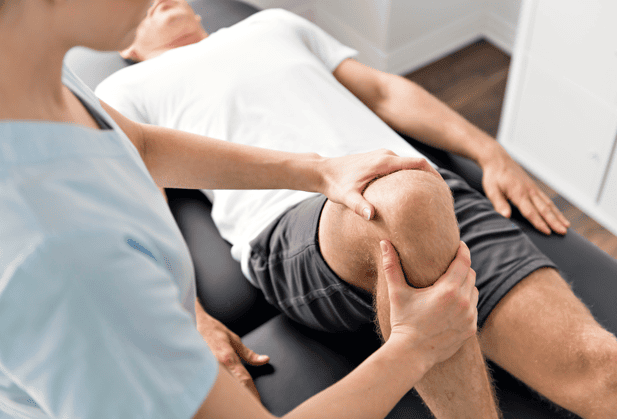
Knee pain can make everyday activities such as walking, climbing stairs, exercising, or getting up from a chair uncomfortable. It may develop after an injury, from repetitive strain, or because of conditions such as osteoarthritis.
Physiotherapy is commonly used to manage many causes of knee pain. Rather than focusing only on temporary symptom relief, rehabilitation aims to improve strength, mobility, balance, and function. Knowing when to consider physiotherapy can help you seek appropriate care and avoid unnecessary limitations in daily activities.
What Are the Common Causes of Knee Pain?
The knee is a complex joint involving bones, cartilage, ligaments, tendons, muscles, and other supporting structures. Problems affecting any of these structures may contribute to pain, stiffness, swelling, or reduced movement.
Common causes include:
- Knee osteoarthritis
- Muscle or tendon strain
- Ligament injuries
- Meniscus injuries
- Patellofemoral pain
- Tendon-related conditions
- Sports injuries
- Reduced muscle strength
- Previous knee surgery
The appropriate treatment depends on the underlying cause. Persistent or significant knee symptoms should therefore be properly assessed rather than managed through exercises selected without understanding the condition.
How Does Physiotherapy Help With Knee Pain?
Physiotherapy aims to improve knee function by addressing factors such as reduced strength, limited movement, balance problems, and difficulty performing everyday activities. Treatment is generally individualized according to symptoms, diagnosis, physical abilities, and personal goals.
A physiotherapist may assess knee movement, muscle strength, walking pattern, balance, and movements such as squatting or climbing stairs. This assessment helps determine which exercises and rehabilitation strategies may be appropriate.
In Ahmedabad, individuals experiencing persistent knee pain or difficulty with everyday movement may visit a physiotherapy centre in Ahmedabad to have their mobility, strength, functional limitations, and rehabilitation needs assessed before beginning an individualized exercise and recovery program.
When Should You Consider Physiotherapy for Knee Pain?
Not every minor knee ache requires formal rehabilitation. However, physiotherapy may be helpful when symptoms persist, repeatedly return, or begin interfering with normal activities.
Persistent Pain or Stiffness
Consider an assessment when knee pain or stiffness continues despite reasonable rest and activity modification. Ongoing symptoms can make people avoid movement, which may gradually contribute to reduced muscle strength and confidence.
A rehabilitation program can help restore movement and gradually increase activity without unnecessarily overloading the affected knee.
Difficulty With Everyday Activities
Pain when walking, climbing stairs, standing from a chair, exercising, or completing work-related tasks can indicate that knee function has been affected.
Physiotherapy can focus on the specific activities that are difficult. Exercises may then be progressed gradually as strength, movement, and confidence improve.
After a Knee Injury
Sports injuries, falls, or twisting movements can damage knee ligaments, cartilage, muscles, or tendons. Physiotherapy is often an important part of recovery after an appropriate medical assessment.
Rehabilitation may focus on restoring movement, reducing functional limitations, rebuilding strength, and gradually preparing the knee for work, sports, or other activities.
Physiotherapy for Knee Osteoarthritis
Knee osteoarthritis occurs when changes within the joint contribute to pain, stiffness, and reduced function. Exercise is an important non-surgical component of managing many cases of knee osteoarthritis.
Why Exercise Matters
Appropriate strengthening can improve the ability of muscles around the knee and hip to support movement. Aerobic activity can also support general fitness and physical function.
Exercise does not need to be intense to be useful. Programs are usually progressed according to symptoms and ability. For people who are overweight, weight management may also reduce mechanical stress on the knee and provide additional health benefits.
Common Physiotherapy Exercises for Knee Pain
Exercise selection depends on the cause of knee pain, so a routine that helps one person may not be appropriate for another. Common rehabilitation programs may include strengthening, flexibility, balance, and functional exercises.
Strengthening Exercises
Exercises may target the quadriceps, hamstrings, gluteal muscles, and calf muscles. Examples can include controlled knee extensions, straight-leg raises, bridges, sit-to-stand exercises, and modified squats when appropriate.
Resistance and repetitions should be increased gradually rather than pushing through significant or worsening pain.
Mobility and Flexibility Exercises
Reduced knee movement can make daily activities more difficult. Gentle bending and straightening exercises may help maintain or improve joint mobility.
Stretching exercises may also target tight muscles around the hips, thighs, and calves. The specific exercises should reflect individual findings rather than following a standard routine for every type of knee pain.
Other Physiotherapy Treatment Options
Physiotherapy usually involves more than a list of exercises. Depending on the condition, rehabilitation may combine education, activity modification, progressive exercise, and selected hands-on techniques.
| Treatment Approach | Main Purpose |
| Strength training | Improve muscular support and function |
| Mobility exercises | Maintain or restore movement |
| Balance training | Improve stability and control |
| Manual therapy | Support movement and symptom management |
| Activity guidance | Modify aggravating activities |
| Home exercise program | Continue rehabilitation between sessions |
Passive treatments alone are generally not a substitute for appropriate movement and progressive rehabilitation when exercise is clinically suitable.
How Long Does Physiotherapy Take to Work?
There is no fixed recovery timeline for knee pain. A mild strain may improve relatively quickly, while osteoarthritis, major injuries, or recovery after surgery can require rehabilitation over several weeks or months.
Progress depends on the diagnosis, symptom duration, age, overall health, strength, activity level, and consistency with rehabilitation. Improvements may first appear as easier walking, better movement, or increased ability to perform daily tasks before pain completely settles.
Can Physiotherapy Help Avoid Knee Surgery?
For some knee conditions, structured rehabilitation may improve pain and function enough that surgery is not currently necessary. Exercise-based treatment is particularly important in managing many cases of knee osteoarthritis and certain musculoskeletal problems.
However, physiotherapy cannot replace surgery when an operation is medically necessary. Severe joint damage, significant instability, or particular injuries may require surgical evaluation. Treatment decisions should be based on diagnosis, symptoms, functional limitations, and response to appropriate conservative care.
When Does Knee Pain Need Medical Attention?
Some symptoms require medical evaluation rather than starting exercises independently. Seek prompt assessment after a significant injury or when the knee appears severely swollen, deformed, or unable to bear weight.
Medical attention is also important for a hot, red, significantly swollen knee accompanied by fever or illness. Persistent locking, major instability, worsening symptoms, or significant pain that does not improve should also be evaluated.
Conclusion
Physiotherapy can help manage many causes of knee pain by improving strength, mobility, balance, and everyday function. It may be particularly useful for persistent symptoms, osteoarthritis, sports injuries, reduced mobility, and rehabilitation following appropriate medical or surgical treatment.
The most effective rehabilitation plan depends on the cause and severity of the problem. An individualized assessment can help identify suitable exercises, appropriate activity levels, and realistic recovery goals while recognizing symptoms that require further medical investigation.
Frequently Asked Questions
1. Is physiotherapy effective for knee pain?
Physiotherapy can help many types of knee pain by improving strength, mobility, balance, and function. Effectiveness depends on the underlying condition, symptom severity, individual health, and consistency with the recommended rehabilitation program.
2. Which exercises are useful for knee pain?
Strengthening, mobility, flexibility, and balance exercises may be recommended depending on the diagnosis. Common options include straight-leg raises, bridges, sit-to-stand movements, and modified squats, but exercise selection should reflect individual symptoms and abilities.
3. Can physiotherapy help knee osteoarthritis?
Yes. Exercise-based physiotherapy is commonly used to manage knee osteoarthritis. Strengthening, aerobic activity, mobility exercises, education, and weight management when appropriate can help improve function and reduce the impact of symptoms.
4. How many physiotherapy sessions are needed for knee pain?
There is no standard number of sessions. Treatment duration depends on the diagnosis, severity, functional limitations, recovery goals, and response to rehabilitation. Some conditions improve quickly, while chronic or postoperative problems may require longer treatment.
5. Should I exercise if my knee hurts?
Appropriate movement is often helpful, but exercise should match the underlying condition and current symptoms. Significant swelling, instability, inability to bear weight, severe pain, or worsening symptoms should be medically assessed before starting an exercise program.
