
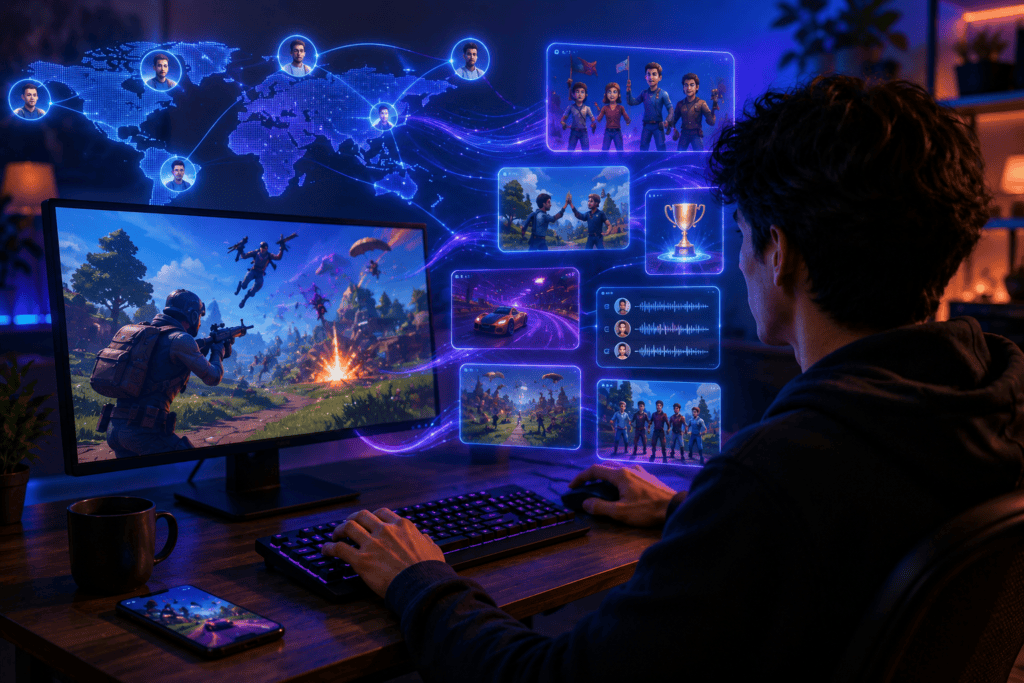
A decade ago, “playing games online” mostly meant downloading a client, creating an account, and committing to a specific title for the long haul. Today it means clicking a link and playing within seconds, often without downloading anything at all. That shift in accessibility, combined with a handful of other changes in how people spend their time, has pushed online games into a level of popularity that shows no signs of slowing down.
Here’s what’s actually driving that growth, and why it’s likely to keep climbing rather than plateau.
The Barrier to Entry Basically Disappeared
No Downloads, No Waiting
Browser-based games removed the single biggest friction point that used to exist between deciding to play and actually playing. No install, no update process, no storage concerns. That immediacy matters enormously for casual players who aren’t willing to commit ten minutes of setup just to try something out.
Playing Without an Account
Plenty of online games now let you jump straight into a round without creating a profile first. Removing that step means the distance between curiosity and actual play has shrunk to almost nothing, and that distance is exactly what used to cause people to abandon the idea of playing altogether.
Mobile Access Changed Who’s Playing
Games that run smoothly in a phone browser have opened online gaming to people who never considered themselves gamers in a traditional sense. A five-minute break between tasks is enough time now, which wasn’t true when playing meant booting up a console or a gaming PC.
Short Sessions Fit Modern Life Better
People Have Less Uninterrupted Time
Long gaming sessions require a specific kind of free time that’s become harder to find for a lot of people. Online games built around short, five-to-ten-minute rounds fit naturally into the gaps that actually exist in most schedules, a commute, a lunch break, a few minutes before a meeting.
Quick Rounds Mean Lower Commitment
Games like Zombie Survivor show how a tight, fast-paced core loop keeps players engaged without requiring a large time investment upfront. That low commitment makes it easier to say yes to playing in the first place, and easier to come back tomorrow without feeling like it demands a major chunk of the day.
Natural Stopping Points Reduce Guilt
A round that wraps up cleanly, rather than dragging on indefinitely, respects how little uninterrupted time most people actually have. That respect for a player’s time is a major reason short-session online games have found such a wide audience.
Social Features Made Games a Reason to Connect
Playing With Friends Replaced Some Traditional Hangouts
For people spread across cities or time zones, a quick play with friends online game has become a genuine substitute for in-person hangout time. It requires none of the coordination of meeting up, and it still creates the same kind of shared, reactive experience that makes spending time together enjoyable.
Comparing Scores Adds a Reason to Return
Even simple leaderboard or score-comparison features give players motivation that has nothing to do with the base mechanic itself. Beating a friend’s score taps into a completely different, often stronger, pull than the game’s core loop provides on its own.
Shareability Spreads Interest Organically
Games that are easy to send a friend, easy to challenge someone with, spread through social circles without needing heavy marketing behind them. That organic growth pattern is a big part of why certain online games surge in popularity so quickly.
Casual Games Removed the Skill Gatekeeping
Anyone Can Have a Real Shot at Winning
Traditional competitive games often reward years of accumulated skill, which can be intimidating for newer or casual players. Many popular online games balance luck and skill in a way that gives first-time players a genuine chance, making them far more approachable for people who don’t consider gaming a serious hobby.
Simple Rules Mean Fast Onboarding
If a game takes more than a minute to explain, a large share of potential players lose interest before they even start. The most popular online games tend to be explainable almost instantly, which matters enormously in a browser-based context where people are deciding within seconds whether to keep playing or close the tab.
Technology Finally Caught Up With the Idea
Faster Internet Removed Old Limitations
Laggy, slow-loading games used to undercut the appeal of playing online before a session even really began. Widespread fast internet access has removed that friction almost entirely, making the browser-based experience feel as responsive as a native app for most casual game types.
Better Browser Performance Expanded What’s Possible
Games that would have required a dedicated download a few years ago now run smoothly directly in a browser tab. That technical improvement means online games can be more visually and mechanically ambitious than early browser games ever managed to be.
Cross-Device Consistency Keeps Players Engaged
Being able to start a game on a phone and pick it back up on a laptop without losing progress removes yet another point of friction that used to limit how often people returned to a given game.
Why This Popularity Looks Likely to Keep Growing
The Barrier Keeps Getting Lower, Not Higher
As tools for building online games become more accessible, the sheer volume and variety of options keeps expanding, giving more players more reasons to find something that fits their specific taste. A wider selection tends to grow the overall audience rather than just redistributing existing players across more choices.
Casual Audiences Keep Expanding
People who never identified as gamers are increasingly playing something online regularly, often without thinking of it in those terms at all. That expanding casual audience represents genuine growth in who plays games, not just a shift in where existing players spend their time.
Social Habits Continue Shifting Online
As more everyday social interaction happens through digital channels generally, playing a quick game together fits naturally alongside texting, calling, or video chatting as just another way people stay connected. That cultural shift shows no sign of reversing.
Final Thoughts
Online games have become more popular than ever because nearly every barrier that used to stand between curiosity and actual play has been removed. No downloads, no long time commitments, no steep skill requirements, just a link, a few free minutes, and often a friend to share the experience with. That combination of accessibility, social connection, and respect for how little free time most people actually have is exactly what’s driving the growth, and none of those underlying factors show signs of reversing anytime soon.
