
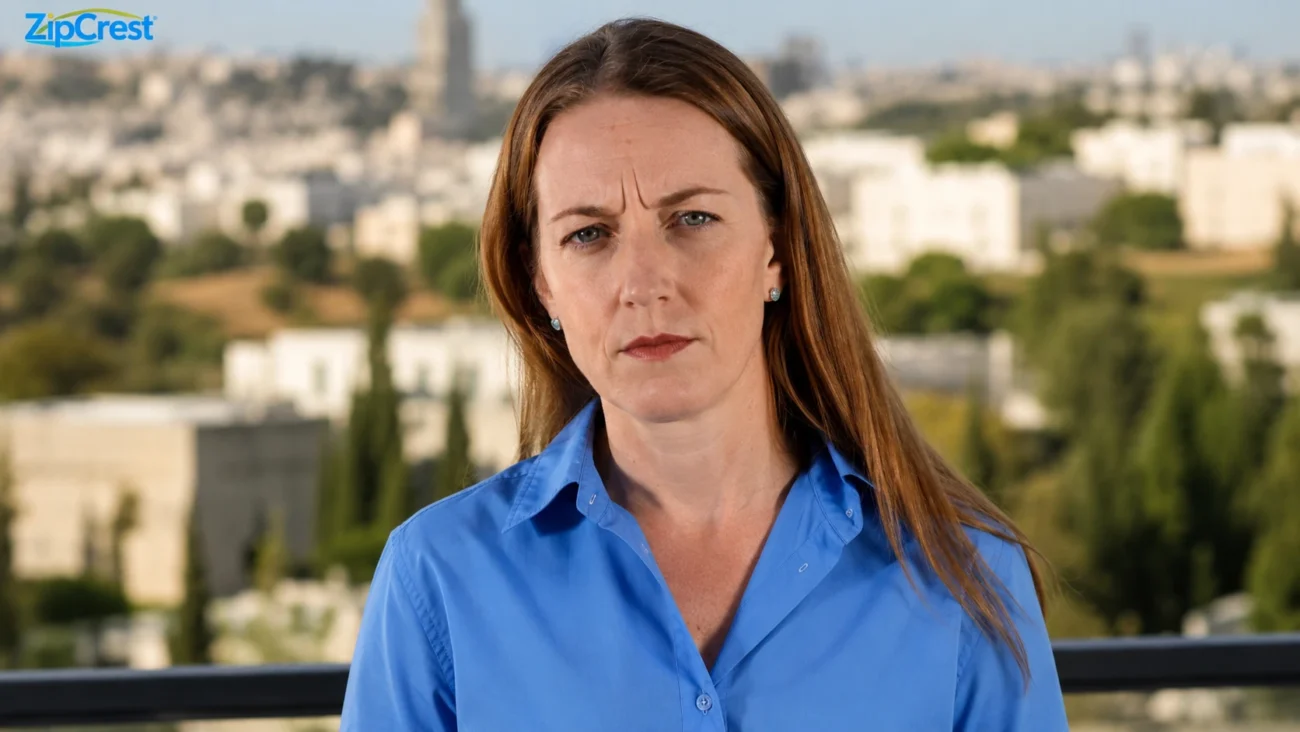
Yolande Knell is best known as a BBC Middle East correspondent, a journalist whose reports often arrive from places where history, politics, grief, faith and daily survival collide. For many viewers and listeners, her name is attached to some of the hardest stories in international news: Israel and Gaza, Jerusalem, Bethlehem, the West Bank, hostages, ceasefires, civilian suffering and the fight to understand what is happening on the ground. She is not a celebrity journalist in the glossy sense, and that is part of what makes her public profile interesting. Her reputation rests less on personal branding than on steady reporting from a region where every word can be contested.
Search interest in Yolande Knell usually begins with a simple question: who is the BBC reporter explaining this story? The answer is clear in broad outline and more limited in personal detail. Knell is a BBC journalist and Middle East correspondent whose public identity is built around her work, not around a heavily publicized private life. Reliable information about her career is far stronger than the many loose claims online about her age, husband, salary, family background or net worth.
That distinction matters because Knell’s career has unfolded in one of the most difficult reporting environments in the world. Middle East correspondents are expected to explain events that are emotional, legally complex and deeply disputed, often while access is limited and facts are still emerging. Knell’s work has placed her in the middle of that challenge for years. To understand her biography properly, it is best to start with what can be verified: her journalism, her role at the BBC and the demanding beat that has made her a familiar face and voice to international audiences.
Who Is Yolande Knell?
Yolande Knell is a BBC Middle East correspondent who reports across television, radio, digital and audio platforms. Her work is most closely associated with Jerusalem, Israel, Gaza, the occupied Palestinian territories and the wider region. She is the kind of correspondent viewers often see during live updates, when a presenter needs context on a fast-moving story and a reporter near the scene must explain what is known, what is disputed and what could happen next.
Her public profile is professional rather than personal. Unlike some media figures, she does not appear to have built a public image around lifestyle, family life or social media visibility. Instead, her name is most often found on BBC reports, audio programs and field coverage connected to conflict, diplomacy, humanitarian issues and regional politics. This has made her recognizable to people who follow international news, especially those who rely on the BBC for Middle East coverage.
Knell’s work matters because the region she covers is rarely understood through simple headlines. Stories in Jerusalem or Gaza can involve military claims, civilian testimony, international law, religious history, aid logistics, domestic politics and global diplomacy all at once. A correspondent in that role has to make complicated events understandable without flattening them. That is the difficult space in which Knell’s career has become visible.
Early Life and Background
Yolande Knell’s early life is not well documented in reliable public sources. Some biography websites publish details about her birthplace, age and education, but many of those claims are weakly sourced or repeated without clear evidence. Because of that, a careful profile should not present those details as settled fact. What is publicly clear is that Knell has built her reputation through journalism rather than through personal exposure.
This lack of confirmed personal information is not unusual for working correspondents, especially those covering security-sensitive regions. Many journalists who report on conflict, terrorism, hostage cases or politically charged disputes keep family and private details away from public view. That is not secrecy in the dramatic sense; it is often a reasonable boundary. For a reporter whose job places her near dangerous and divisive stories, privacy can be both personal and practical.
Readers often search for her nationality, age or family because they want to place the person behind the report. That curiosity is understandable, but it should be handled with care. In Knell’s case, the responsible answer is that her professional life is visible, while parts of her personal biography are not publicly confirmed. A respectful profile should not turn gaps in the record into speculation.
Education and Path Into Journalism
There is no single widely cited official biography that lays out Yolande Knell’s full education history in detail. Some online profiles claim specific universities or early career paths, but those claims are not always supported by primary records. Without stronger public confirmation, it is better to say that her education and earliest professional steps remain less documented than her later BBC career. That may disappoint readers looking for a neat origin story, but it protects the accuracy of the profile.
What can be said with confidence is that Knell’s career required the skills of a seasoned international journalist. Her work shows command of political context, field reporting, broadcast communication and the discipline needed to report in crisis conditions. A correspondent covering the Middle East for the BBC must be able to work across formats, shift quickly between live updates and reported pieces, and explain events without losing sight of human impact. Knell’s later career reflects those skills in practice.
Her professional path also suggests long-term experience rather than a sudden rise. Reporters do not usually become trusted Middle East correspondents without years of newsroom work, regional knowledge and editorial judgment. The beat demands familiarity with local actors, historical context and the language of diplomacy, law and conflict. Knell’s BBC record shows a journalist who has become part of that reporting system over time.
BBC Career and Middle East Reporting
Yolande Knell is most publicly associated with the BBC, where she has worked as a Middle East correspondent. Her reports have appeared across BBC News output, including written articles, television packages, radio segments and podcast discussions. In that role, she covers not only major political developments but also the lives of people affected by conflict and uncertainty. Her work often connects large events to individual stories, which is one reason it resonates with audiences.
Her beat has included Israel, Gaza, Jerusalem, Bethlehem, the West Bank and other regional stories. She has reported on ceasefire talks, humanitarian conditions, hostage families, religious communities, Israeli politics and Palestinian civilian life. The topics are often sensitive, and the language used in such reports is closely watched by governments, campaigners, viewers and critics. That pressure is part of the daily reality of the job.
The BBC’s Middle East reporting is a demanding institution within an already demanding newsroom. Correspondents must file quickly, but they must also meet editorial standards around verification, fairness and attribution. They often work with producers, camera crews, local journalists, fixers, editors and security advisers. Knell’s public work belongs to that larger system, even when she appears alone on screen or writes under a single byline.
Reporting From Jerusalem
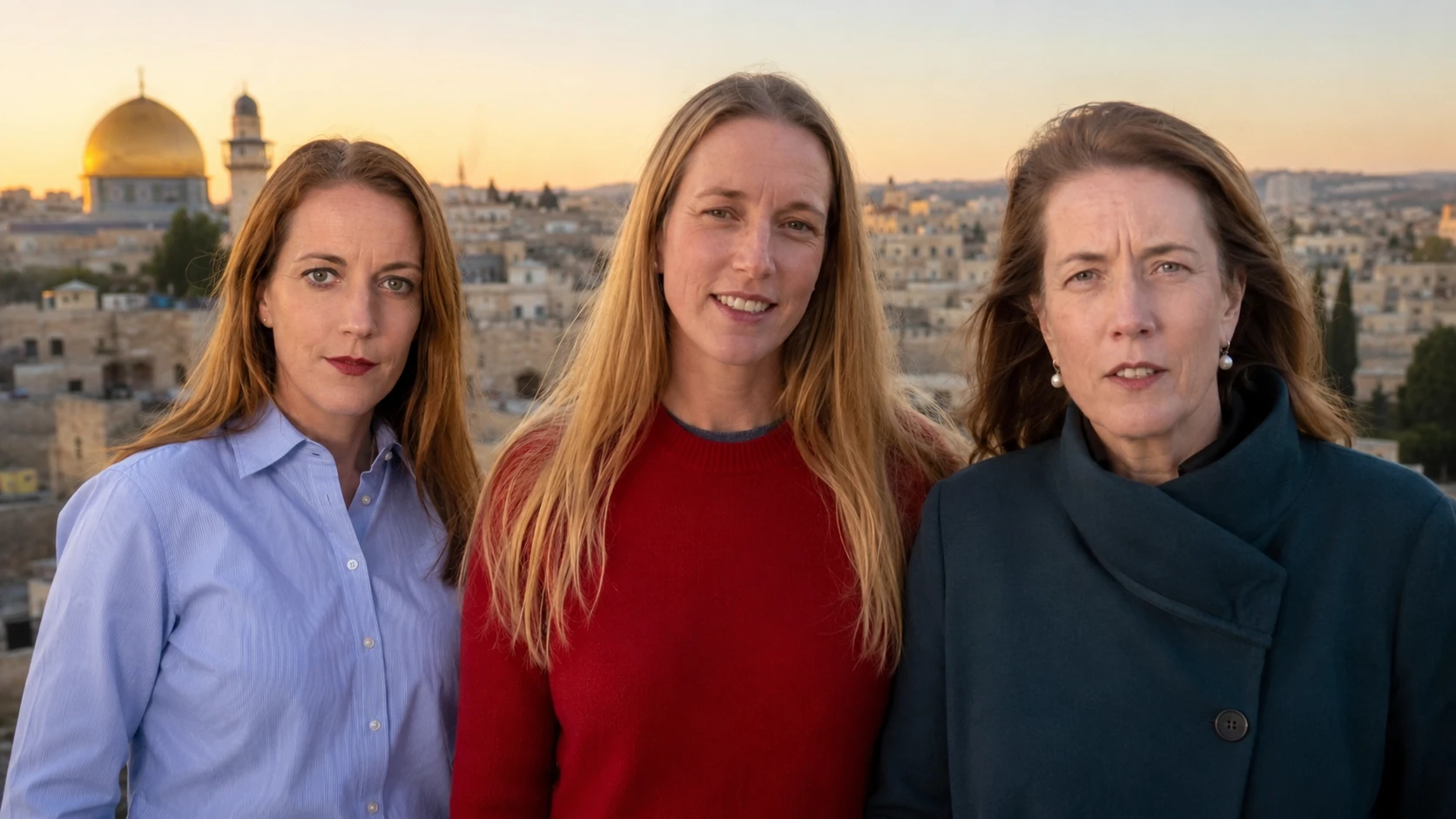
Jerusalem is one of the most complex reporting bases in the world. It is a city of religious significance for Jews, Muslims and Christians, a political center for Israel, and a focal point in the Israeli-Palestinian conflict. A story there can shift from local policing to global diplomacy within hours. For a correspondent, accuracy is not only about getting names and dates right; it is also about explaining why one event carries different meanings for different communities.
Knell’s Jerusalem-based reporting has often required that kind of layered explanation. She has covered stories tied to Israeli government decisions, Palestinian political realities, holy sites, protests, violence and diplomatic pressure. A correspondent in Jerusalem must understand the geography of neighborhoods, checkpoints, borders, refugee camps and religious sites. The smallest phrase can carry legal or political weight, which makes clarity essential.
Her role also involves translating local developments for an international audience. A court hearing, a military operation, a border crossing or a religious ceremony may seem narrow at first glance. In the Middle East, those events often reveal larger shifts in power, trust and fear. Knell’s work is strongest when it helps viewers connect the immediate news to the longer history behind it.
Gaza, Israel and the Human Cost of Conflict
In recent years, Yolande Knell’s name has appeared often in coverage linked to Gaza and Israel. The Israel-Gaza war has required correspondents to report on mass civilian suffering, hostage families, military operations, ceasefire diplomacy, aid shortages and deep political anger. Knell has worked within that tense environment, where access to Gaza has often been restricted and independent verification has been difficult. Those limits make the job harder, not less important.
A major part of such reporting is explaining what is known while being clear about what cannot yet be confirmed. In Gaza, casualty figures, hunger assessments, hospital conditions and damage reports often come from local authorities, aid agencies, medical workers, witnesses and international bodies. Israeli officials may dispute some claims or provide different accounts of military action. A correspondent has to show the source of each claim and avoid giving false certainty.
Knell’s reporting has also looked at the emotional lives of people caught in the conflict. Stories about hostage families, displaced Palestinians, religious communities in Bethlehem or children trying to keep a sense of normal life all add depth to the political headlines. This kind of reporting does not replace hard news; it gives readers and viewers a fuller picture of what policy and war mean in daily life. That human focus is a defining part of her public work.
Covering Hostages, Families and Public Grief
One of the most painful parts of the post-October 7 story has been the fate of Israeli hostages and the families campaigning for their return. Knell has reported on the public pressure created by those families, whose grief became a political force inside Israel and abroad. This type of story requires sensitivity because it sits at the meeting point of private trauma and national crisis. It also demands care because hostage cases are shaped by military action, diplomacy, negotiation and public emotion.
A correspondent covering hostage families has to avoid turning grief into spectacle. The people involved are not simply symbols; they are relatives living through uncertainty and loss. Their public actions may influence politics, but their personal suffering remains real. Good reporting must hold those truths together without exploiting them.
Knell’s work in this area fits a wider pattern in her journalism. She often reports through the experiences of people whose lives have been pushed into the center of history. That includes Israeli families demanding answers, Palestinian families living with displacement, and communities trying to maintain traditions under pressure. In a region often described through leaders and armed groups, those human stories help keep the coverage grounded.
Reporting on Palestinian Life and Culture
Knell’s Middle East coverage has not been limited to military operations and political speeches. She has also reported on Palestinian daily life, religious observance, cultural heritage and the effort to preserve identity during upheaval. These stories matter because conflict can make a place appear only as a site of destruction. A correspondent who reports on culture, faith and ordinary routines helps show that communities are more than their suffering.
Bethlehem is one example. Public celebrations there carry religious meaning for Christians around the world, but they also reflect Palestinian civic life and the economic pressure faced by local residents. During periods of war, decisions about Christmas celebrations are never only festive choices. They become expressions of mourning, solidarity, fear and resilience.
Gaza’s heritage sites offer another example of the same reporting instinct. Damage to mosques, churches, archives, libraries and historic neighborhoods is not only a matter of buildings. It affects memory, continuity and the stories people tell about who they are. When journalists report on those losses, they help readers understand that war changes not only borders and governments but also the cultural record of a place.
Public Image and Professional Reputation
Yolande Knell’s public image is that of a serious field correspondent rather than a media personality. She is known for calm delivery, clear explanation and a focus on events rather than herself. This is partly the style expected of BBC correspondents, but it also reflects the nature of the beat. In conflict reporting, the reporter’s job is to help the audience understand the story, not to become the story.
That professional restraint has shaped how she is perceived. Viewers who trust BBC international coverage may see Knell as a steady guide through difficult events. Critics of BBC Middle East coverage may scrutinize her reports closely, especially on issues involving Israel, Gaza, Hamas, the Palestinian Authority, settlements or international law. Both reactions come with the territory.
No correspondent on this beat escapes criticism. Language choices are examined, headlines are challenged, omissions are debated and sources are questioned. That scrutiny can be healthy when it is specific and evidence-based, but it can also become unfair when it treats any report as proof of bad faith. Knell’s work should be judged by the same standards that apply to serious journalism: evidence, attribution, context, correction and clarity.
Controversies and Criticism
Yolande Knell herself is not widely known for personal scandal or celebrity-style controversy. The criticism around her name generally comes from the wider debate over BBC coverage of Israel and the Palestinians. That debate is long-running, intense and often politically charged. Critics from different sides have accused the BBC at various times of bias, weak context, poor language choices or uneven emphasis.
This matters because correspondents like Knell work inside that institutional pressure. A report may be judged not only on its facts but on whether viewers think it gives enough historical context, enough attention to civilian suffering, enough focus on hostages, enough scrutiny of officials or enough clarity about armed groups. Different audiences may want different emphases, and no single piece can carry the full history of the conflict. That is why repeated, careful reporting matters more than one isolated broadcast.
The fair approach is to separate broad frustration with Middle East coverage from specific claims about a journalist’s work. If a report contains an error, it should be corrected. If a report is fairly sourced and carefully written, it should be judged on that basis even by readers who dislike its emphasis. Knell’s career sits within this difficult space, where professional judgment is constantly tested in public.
Marriage, Children and Family Life
There is no well-confirmed public record of Yolande Knell’s marriage, husband or children. Many readers search for those details because they are common parts of celebrity profiles and biography pages. In this case, however, the available public record does not support confident claims about her private family life. A respectful article should say that plainly rather than repeat unsupported information.
This privacy is especially understandable for a foreign correspondent. Journalists who cover conflict and political violence may have good reasons not to publicize family details. Even when no immediate threat exists, a lower personal profile can protect relatives from unwanted attention. It can also keep the focus on the reporting rather than on the reporter’s domestic life.
The absence of public information should not be treated as a mystery to solve. Some public figures choose to separate work and home, and working journalists are entitled to that boundary. Knell’s biography is therefore best told through her career and public contributions. Her private life remains private unless she chooses to share more herself.
Net Worth, Salary and Income Sources
There is no credible public record confirming Yolande Knell’s exact net worth. Some websites may publish estimated figures for journalists, but these numbers are usually speculative unless they come from financial filings, contracts or direct disclosure. In Knell’s case, any precise net worth claim should be treated with caution. The safest statement is that her known income source is her journalism career, especially her work with the BBC.
BBC salary information is public for some high-earning presenters and senior figures, but not every correspondent’s pay is listed individually. Even when salary ranges can be guessed from industry norms, that does not produce a reliable personal estimate. Foreign correspondents may also have costs, allowances, travel arrangements and security structures that are not the same as ordinary newsroom roles. Those details are not usually public in a way that supports a firm net worth figure.
Readers often look for net worth because online biography formats make money a standard category. But in profiles of working journalists, especially those outside entertainment or business ownership, the category can be misleading. Knell is best understood as a salaried professional journalist rather than a public entrepreneur or celebrity brand. Her value lies in the work, not in a speculative financial number.
Awards, Recognition and Industry Standing
Yolande Knell does not have the kind of public awards profile that dominates her biography. Her recognition comes mainly through the visibility of her BBC role and the seriousness of the stories she covers. In journalism, that kind of standing is often built through consistency rather than trophies. A correspondent who is repeatedly trusted with major regional stories has already earned a form of professional recognition.
That does not mean awards are irrelevant. Journalism prizes can draw attention to exceptional reporting, especially in conflict zones. But a lack of widely promoted awards should not be mistaken for lack of impact. Much of a correspondent’s influence comes through day-to-day reporting that helps millions of viewers and listeners understand unfolding events.
Knell’s industry standing is tied to the BBC’s global reach. Reports filed for the BBC can be read, heard and watched across continents, shaping how international audiences understand a crisis. That reach brings responsibility and pressure. It also explains why people search her name after seeing her on a major story.
Where Yolande Knell Is Now
Yolande Knell continues to be publicly associated with BBC Middle East reporting. Her recent work places her in the continuing coverage of Israel, Gaza, Jerusalem and regional developments. The issues she covers have not faded from the news agenda, and the demand for experienced correspondents remains high. In that sense, her current status is not a retreat from public life but an ongoing professional assignment.
Her work now sits in a period when access, verification and safety are central concerns for Middle East journalism. Foreign reporters have faced restrictions, local journalists have faced extreme danger, and audiences have become more skeptical of institutions. A correspondent like Knell must operate inside that environment while still producing clear, timely reports. That is a difficult task even for experienced journalists.
The most accurate current portrait of Knell is therefore simple but meaningful. She is a working BBC correspondent covering one of the world’s most watched regions at one of its most difficult moments. Her public relevance comes from the continuing importance of the stories she reports. As long as those stories remain central to world affairs, her work will remain visible.
Frequently Asked Questions
Who is Yolande Knell?
Yolande Knell is a BBC Middle East correspondent known for reporting on Israel, Gaza, Jerusalem, the occupied Palestinian territories and wider regional affairs. Her work appears across BBC platforms, including television, radio, digital reports and audio programs. She is best recognized for explaining complex Middle East stories to international audiences.
Her public profile is based mainly on her journalism rather than personal publicity. She is not a celebrity journalist in the entertainment sense, and she does not appear to make her private life a major part of her public identity. That is why the strongest information about her concerns her reporting career and BBC role.
What is Yolande Knell famous for?
Yolande Knell is known for her BBC reporting from the Middle East, especially during periods of conflict and political tension. Her name is often linked to coverage of Gaza, Israel, hostage families, humanitarian conditions, Jerusalem politics, Bethlehem and Palestinian life. She has become familiar to viewers who follow BBC international news.
Her work stands out because she covers stories where facts are contested and emotions are high. A correspondent in that position must explain events clearly while showing where information comes from. That combination of field reporting and public explanation is the main reason people recognize her.
Is Yolande Knell married?
Yolande Knell’s marital status is not publicly confirmed in reliable sources. Some readers search for a husband or family details, but there is no strong public record that supports a definite answer. Because of that, any claim about her marriage should be treated carefully unless she has confirmed it herself.
This privacy is not unusual for a journalist working on sensitive international stories. Many correspondents keep their personal lives separate from their professional identities. In Knell’s case, the public record supports a career profile more than a personal-life profile.
How old is Yolande Knell?
Yolande Knell’s exact age is not confirmed in the strongest public professional sources. Some secondary websites publish dates or ages, but they do not always provide reliable evidence. A careful biography should not repeat those figures as fact without stronger confirmation.
What is clear is that she is an experienced journalist with a long enough career to have become a recognized BBC Middle East correspondent. Her age is less relevant to her public role than her reporting record. For readers seeking verified information, her career is the firmer ground.
What nationality is Yolande Knell?
Yolande Knell is widely associated with the BBC, the United Kingdom’s public broadcaster, and many online profiles describe her as British. The most reliable public professional descriptions, however, focus on her role as a BBC Middle East correspondent rather than a detailed nationality biography. For that reason, it is best to avoid overstating personal background details unless they are clearly confirmed.
Her nationality is not the main reason she is publicly known. Readers usually encounter her because of her Middle East reporting, not because of a personal biography. Her professional identity remains the most important verified part of her public profile.
What is Yolande Knell’s net worth?
Yolande Knell’s net worth has not been reliably confirmed. Any precise figure found on biography sites should be treated as an estimate unless backed by credible financial evidence. There is no public basis for stating an exact personal fortune.
Her known income source is her journalism career, especially her work with the BBC. Unlike entertainers, business owners or athletes, working correspondents usually do not have public financial profiles. A responsible article should not invent one.
Where does Yolande Knell report from?
Yolande Knell is most closely associated with BBC Middle East reporting, often connected to Jerusalem and stories across Israel, Gaza and the Palestinian territories. Her work also reaches wider regional topics when they intersect with BBC international coverage. She reports from a region where political, religious and humanitarian stories often overlap.
Her role is not limited to one kind of report. She may cover breaking news, human stories, legal developments, political decisions or longer audio features. That range is part of what defines a foreign correspondent’s job.
Conclusion
Yolande Knell’s biography is not the story of a public figure who built fame through self-promotion. It is the story of a journalist whose name became familiar because she reports from places that demand attention. Her career shows the quiet visibility of foreign correspondence, where the work is public but the person often remains private.
The most honest profile of Knell leaves room for what is not known. Her early life, family details, marriage, age and net worth are not firmly established in reliable public records. Rather than filling those gaps with rumor, it is more accurate to say that her verified public identity is professional and tied to the BBC.
What makes her matter is the beat itself. The Middle East remains one of the most closely watched and difficult regions in global news, and reporting from it requires care, speed, knowledge and restraint. Knell’s work has placed her among the journalists tasked with explaining that reality to audiences far beyond the region.
