
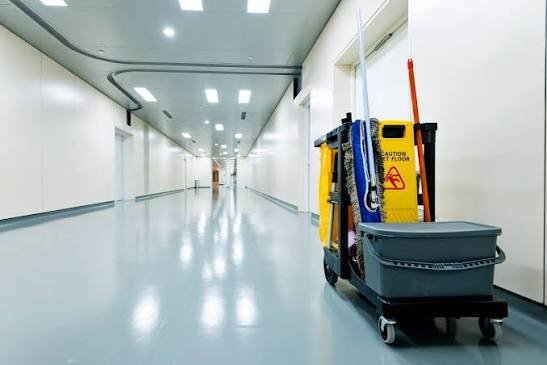
Healthcare facilities are designed to heal, yet they remain environments where airborne and contact-based illnesses can easily spread. According to Canadian health data, approximately 20–30% of viral respiratory illnesses are associated with exposure in healthcare settings, including visitors accompanying or visiting sick patients. While this statistic does not undermine existing hygiene efforts, it clearly highlights the need for continuously improving cleaning standards.
In medical environments, cleanliness is not just about appearance; it is directly linked to patient safety, infection prevention, and regulatory compliance. Choosing the right healthcare cleaning services is, therefore, a critical decision for both private and government healthcare facilities.
Modern companies such as Supreme Cleaning Canada understand the evolving nature of infection control. With advanced disinfection technologies, hospital-grade products, and structured cleaning protocols, professional providers help facilities reduce contamination risks while maintaining the highest standards of sanitation.
In this guide, we’ll walk you through 10 essential tips to help you select the best healthcare cleaning partner for your organization.
- Verify Specialized Healthcare Experience
Not all cleaning companies are equipped to handle medical environments. Healthcare facilities require far more than routine janitorial services. They should understand what they are fighting against, hence they must not rely on a regular broom and brush,
A qualified provider of healthcare cleaning services should have direct experience working in:
- Hospitals
- Outpatient clinics
- Dental offices
- Long-term care homes
- Diagnostic labs
Medical environments demand strict infection control protocols. Cleaning teams must understand how to properly sanitize high-touch areas such as:
- Bed rails
- IV poles
- Door handles
- Waiting room seating
- Medical equipment
- Washrooms
An experienced provider will also understand infection prevention strategies aimed at reducing healthcare-associated infections (HAIs). Ask potential companies for proof of measurable improvements in sanitation performance, and about their current clients.
- Ensure Staff Are Trained and Certified
Healthcare cleaning is not the same as residential or office cleaning. It requires specialized training, certification, and ongoing education.
Professional staff should be trained in:
- Safe handling of hazardous materials
- Bloodborne pathogen protocols
- OSHA safety guidelines
- Proper disinfectant dwell times
- Cross-contamination prevention
- Green cleaning practices
They must know how to use hospital-grade chemicals safely, protecting both patients and themselves. Reputable companies invest in continuous training programs to keep their teams updated with evolving healthcare standards. When interviewing providers, ask for proof of certification and documented staff training procedures.
- Check for Proper Licensing and Insurance
Healthcare environments involve sensitive operations and high liability risks. A professional cleaning company must carry:
- Valid business licenses
- Liability insurance
- Worker’s compensation coverage
- Bonding protection
This protects your facility from financial risk in the event of accidents, damages, or employee injuries. Additionally, ensure the company complies with Canadian healthcare cleaning standards and undergoes regular inspections to verify performance quality.
- Ask About EPA-Approved Disinfectants and Advanced Technology
The disinfectants used in healthcare settings must be effective against a broad range of pathogens, including viruses, bacteria, and fungi.
Ask if the company uses:
- EPA-registered, hospital-grade disinfectants
- Electrostatic spraying technology
- UV-C light disinfection systems
- HEPA filtration vacuums
Electrostatic sprayers allow disinfectant to wrap around surfaces evenly, reaching difficult areas. UV-C technology adds an extra layer of microbial reduction in high-risk zones.
Forward-thinking cleaning groups also integrate environmentally responsible cleaning practices. Green cleaning reduces chemical exposure while maintaining sanitation standards, benefiting patients, staff, and the environment.
- Ensure Strict Cross-Contamination Prevention Protocols
Cross-contamination is one of the biggest risks in medical environments. Reputable healthcare cleaning services use structured systems to prevent it.
Look for:
- Color-coded microfiber cloth systems to know that they have designated materials for specific areas
- Separate tools for restrooms and patient rooms, to minimize virus and germs spread
- Dedicated cleaning equipment for high-risk areas
- Clear workflow procedures
For example, tools used in isolation rooms should never be reused in waiting areas without proper sterilization. Ask providers to explain their contamination prevention protocols in detail. Most of the time, you can find these guidelines on their website or a hospital cleaning pamphlet they are eager to share during discussion. If they cannot clearly outline their process, consider it a red flag.
- Evaluate Employee Screening Processes
Cleaning staff in healthcare settings have access to sensitive areas, confidential patient environments, and expensive equipment.
A trustworthy company should conduct:
- Criminal background checks
- Drug screenings
- Employment verification
- Reference checks
This ensures your facility maintains safety, professionalism, and trust. High-quality providers understand that reliability and integrity are just as important as cleaning expertise.
- Request a Customized Cleaning Plan
Healthcare facilities vary greatly in size, specialization, and risk exposure. A “one-size-fits-all” cleaning package is rarely sufficient. For instance, dental clinic cleaning will vary greatly from surgical rooms, a laboratory cleaning method is highly different from regular OPD cleaning. Also, the number of patients, the work load and the level of procedures performed highly impacts the type of cleaning method which is suitable.
The best healthcare cleaning services will:
- Conduct an on-site walkthrough
- Identify high-risk zones
- Evaluate patient traffic patterns
- Assess regulatory requirements
- Create a customized cleaning schedule
For example, surgical suites require different protocols compared to administrative offices or waiting rooms.
Customized plans may include:
- High-touch surface sterilization schedules
- Terminal cleaning procedures
- Specialized floor care systems
- Isolation room protocols
A detailed proposal shows professionalism and commitment to quality.
- Review Quality Assurance and Auditing Procedures
Healthcare cleaning requires accountability. Professional providers implement structured quality control systems.
Look for companies that:
- Perform routine inspections
- Provide audit documentation
- Use digital tracking systems
- Conduct performance reviews
Documentation is especially important for regulatory compliance. Healthcare facilities are often audited by governing bodies, and proper cleaning records can support compliance efforts. Ask how the company measures performance and how quickly they address deficiencies.
- Check References and Reputation
Reputation speaks volumes in the healthcare industry.
Before finalizing your decision:
- Request references from medical clients
- Read online reviews
- Ask about long-term partnerships
- Review testimonials
Pay attention to comments about reliability, punctuality, responsiveness, and thoroughness. Professional companies worry about their reputation and strive to build long-standing relationships with healthcare facilities by consistently delivering safe, professional, and dependable service.
A provider with strong medical-sector references demonstrates stability and trustworthiness.
- Ensure Flexibility, Communication, and Transparent Pricing
Healthcare facilities operate 24/7. Cleaning services must adapt to patient schedules without disrupting care.
Look for providers offering:
- Flexible scheduling
- Emergency cleaning services
- After-hours availability
- Dedicated account managers
Clear communication channels are critical. If concerns arise, they must be addressed immediately.
Transparent pricing is a critical factor when selecting professional cleaning support for medical facilities. One major red flag is unclear or inconsistent pricing structures. Be cautious of companies that provide vague quotes, add unexpected charges later, offer unusually low base rates to secure contracts, or charge extra for essential services when inquired. In healthcare environments, where deep disinfection is not optional, hidden add-ons can quickly inflate costs.
A reputable provider will always present a detailed cost breakdown, clearly define the scope of services, and offer transparent contract terms without hidden fees.
Conclusion: Why Choosing the Right Provider Matters
Selecting the right healthcare cleaning services is not simply a maintenance decision; it’s a patient safety strategy. Poor sanitation leads to increased infection rates, recurring illnesses, poor recovery pace, and patient dissatisfaction. Hospitals that don’t emphasize cleaning methods have poor reputations and are also deemed irresponsible and often at risk of being sealed by healthcare regulatory departments.
On the other hand, partnering with an experienced company like Supreme Cleaning Canada takes off the burden of worrying about extensive cleaning protocols. You can customize a cleaning schedule with such companies and ensure you always get:
- Compliance with healthcare standards
- Reduced contamination risk
- Professional accountability
- Advanced disinfection methods
- Long-term cost efficiency
Infection control is an evolving science. Cleaning companies must continuously update their practices to align with new pathogens, regulations, and technologies.
