
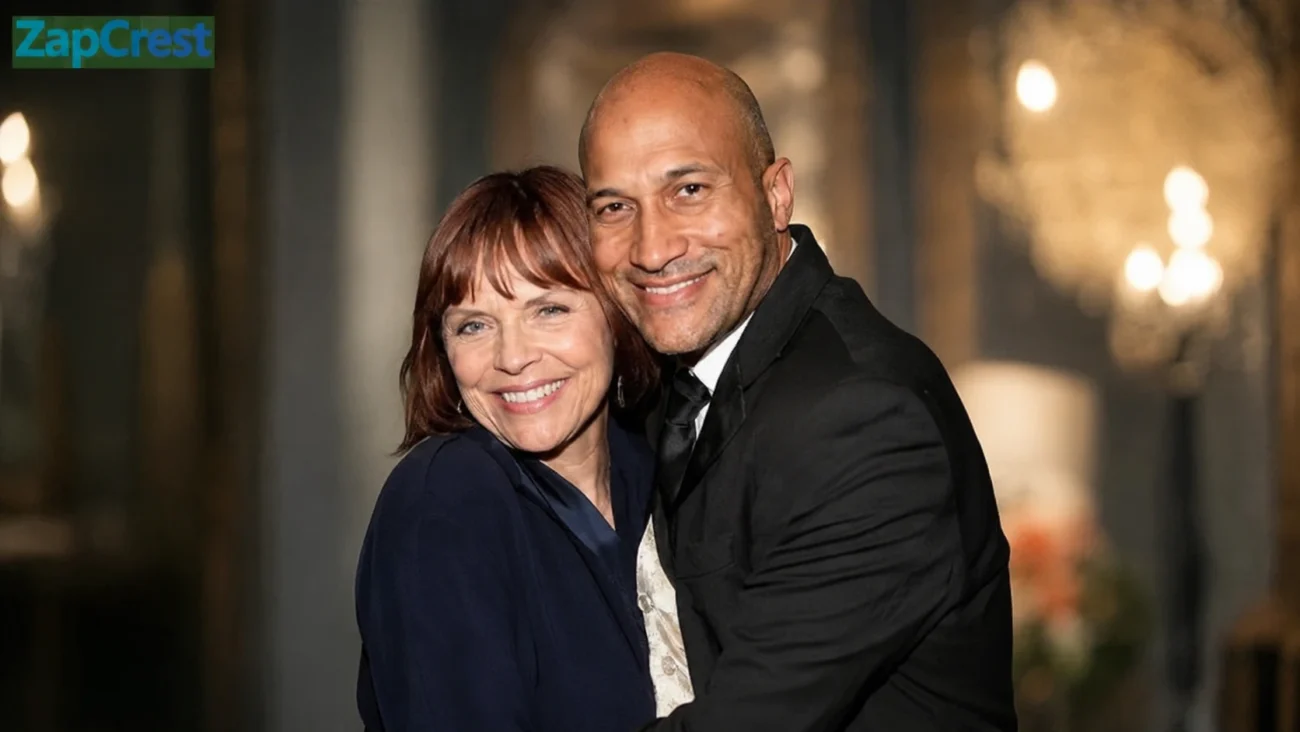
Cynthia Blaise is a name many people first encounter through Keegan-Michael Key, the actor and comedian to whom she was married for nearly two decades. But that connection, while part of her public story, is not the whole of it. Blaise built her own career in film and television as an actress, dialect coach, and voice specialist, working in the kind of profession that can shape a performance without drawing attention to itself. Her life is best understood not as a celebrity footnote, but as the story of a skilled entertainment professional whose private world became public only when fame, marriage, and divorce collided.
Blaise has never courted attention in the way many public figures do. She does not appear to have built a brand around visibility, interviews, or personal disclosure. That makes her biography harder to tell, but also easier to distort. The public record gives a clear outline of her work, her marriage, and her divorce; beyond that, the honest portrait must leave space for privacy.
Early Life and Education
Cynthia Blaise was born on January 12, 1958, according to widely used entertainment databases. Public information about her parents, siblings, hometown, and childhood is limited, and there are no widely verified interviews in which she has offered a detailed account of her early family life. That absence matters because many online biographies try to fill the silence with unverified details. A careful profile should not pretend to know what the record does not show.
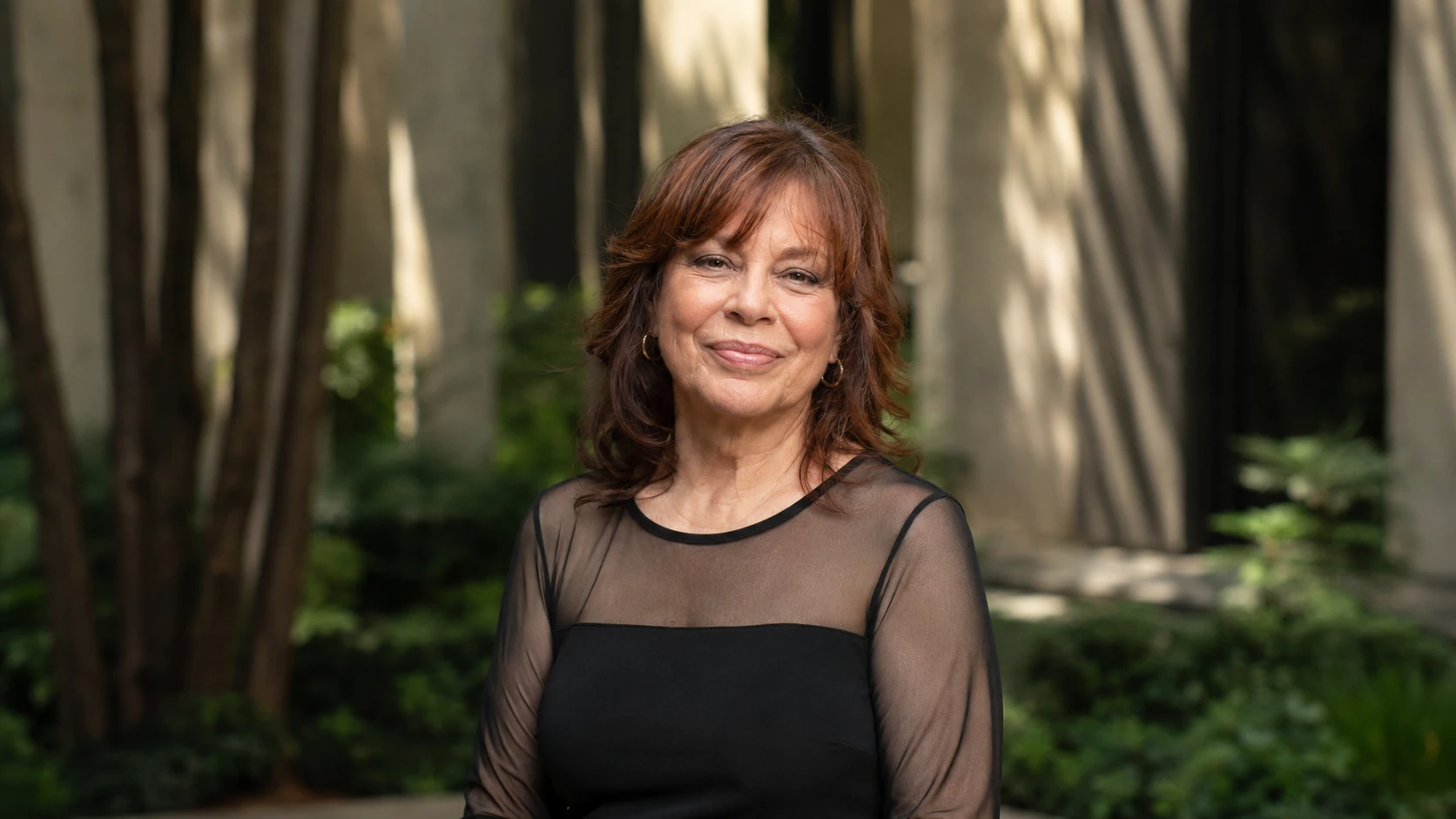
What can be said with more confidence is that Blaise pursued serious training before entering professional film and television work. She is commonly described as having studied acting and voice, and her later career as a dialect coach suggests advanced skill in speech, performance, and language. Dialect coaching is not casual work; it requires an ear for sound, knowledge of performance pressure, and the ability to teach without making actors self-conscious. Those abilities usually come from years of study, practice, and close work with performers.
Blaise’s career path also points to someone who understood acting from the inside. Many dialect coaches begin as actors or theatre-trained voice professionals, because they need to know what happens to technique once a camera rolls or a scene becomes emotional. The actor must not sound like a student reciting a lesson. The coach’s job is to make speech so natural that the audience forgets anyone coached it at all.
From Acting to Screen Credits
Blaise’s most visible acting credit is in Star Trek V: The Final Frontier, the 1989 film directed by William Shatner. In the film’s cast records, she is credited as Amanda, a small role but one connected to one of American pop culture’s most durable franchises. For many performers, even a brief appearance in a Star Trek film becomes a permanent part of the public record. Fan communities remember names, catalog appearances, and keep old credits alive for decades.
That credit does not make Blaise a major Star Trek figure, and it should not be inflated beyond what it was. Still, it places her inside a large studio production at a time when the original Star Trek cast remained culturally powerful. The film itself has long been debated by fans and critics, but the franchise’s reach means that even supporting credits remain searchable. For Blaise, it became one of the acting credits most often attached to her name.
Her on-screen work also includes appearances connected to Key & Peele, the Comedy Central sketch series starring Keegan-Michael Key and Jordan Peele. Those roles were not the center of her career, but they show that she remained connected to performance as well as coaching. Sketch comedy demands timing, adaptability, and a willingness to appear briefly but distinctly. Blaise’s presence in that world also reflected her proximity to one of the most influential comedy teams of the 2010s.
The Work of a Dialect Coach
Cynthia Blaise’s most meaningful professional identity may be her work as a dialect and dialogue coach. That title can sound narrow from the outside, as if the job is only about teaching accents. In practice, it is much broader. A dialect coach helps actors speak believably as characters shaped by region, class, nationality, era, education, and personal history.
The work can involve phonetics, rhythm, breath, vowel placement, consonant patterns, and word stress. It can also involve tact. Actors are often asked to change the way they speak while under pressure, sometimes in front of crews, directors, producers, and other performers. A good coach has to correct without embarrassing, guide without controlling, and protect the actor’s confidence while sharpening the performance.
Blaise’s credits as a dialect coach and dialogue specialist place her in a field that rarely gets the recognition it deserves. When accent work is poor, audiences notice immediately. When it is strong, they may not notice at all. That invisibility is part of the achievement, because the best coaching disappears into character.
Her listed coaching credits include film and television work across different kinds of projects. She has been associated in public credit records with titles such as Bad Teacher, Miami Vice, Bandidas, The Spitfire Grill, and The Affair of the Necklace. Credit databases sometimes vary in how they label this kind of work, using terms such as dialect coach, dialogue coach, or voice coach. The shared thread is clear: Blaise worked in the specialized space where performance meets speech.
Why Her Profession Matters
Actors often receive praise for disappearing into roles, but that transformation usually depends on a team. Costume designers shape the body, makeup artists shape the face, editors shape rhythm, and coaches help shape speech. Dialect work is especially sensitive because a false accent can become distracting, comic, or offensive. The coach helps the actor avoid those traps while staying emotionally alive in the scene.
This is why someone like Blaise can affect a film without becoming a household name. Her contribution may exist in a line reading that feels natural, a character whose background sounds credible, or a scene where speech does not get in the way of feeling. That work is easy to miss because audiences are trained to watch stars, not the specialists who support them. But the industry depends on people who know how to solve problems before viewers ever see them.
There is also a cultural responsibility in dialect work. Accents are tied to identity, migration, region, class, and sometimes painful stereotypes. A careless performance can flatten a community into a joke. A better one can give a character a fuller sense of place without turning speech into a gimmick.
Marriage to Keegan-Michael Key
Cynthia Blaise married Keegan-Michael Key on December 27, 1998. At the time, Key was not yet the household name he would later become through Key & Peele, film roles, voice work, Broadway appearances, and award-show hosting. Their marriage lasted through years in which his career grew from respected performer to widely recognized comic actor. That long timeline is part of why their divorce drew attention when it became public.
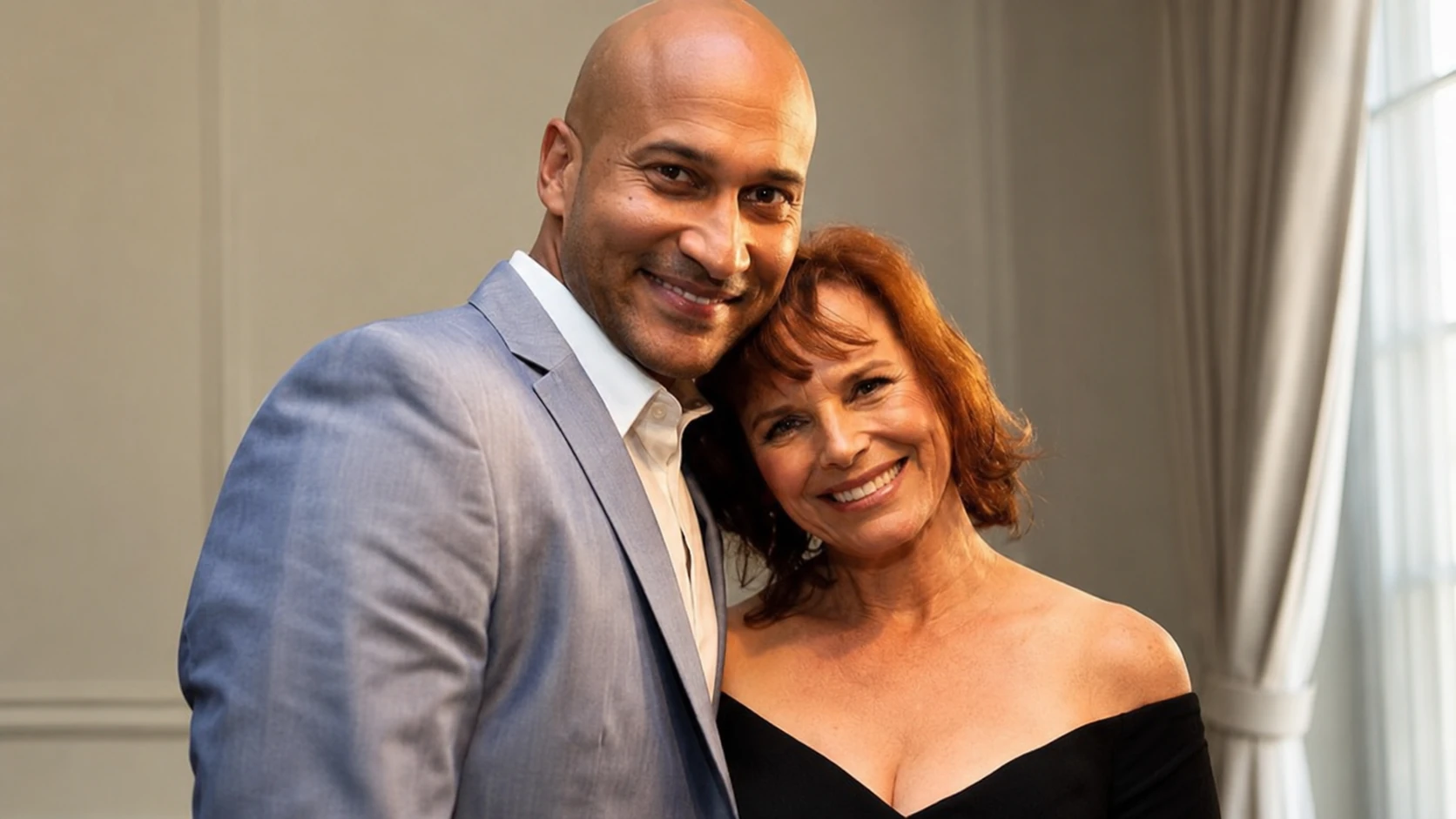
Key’s rise changed the public frame around the marriage. Before Key & Peele, he was known mainly within comedy, theatre, and television circles. After the series premiered in 2012, he became part of a major shift in American sketch comedy, with sketches that spread far beyond cable television. By the time his divorce from Blaise was reported, his fame had made their private split a public story.
The couple did not have children together, according to public reporting about the divorce. That fact shaped the legal coverage because the case centered on spousal support and assets rather than custody. Still, the absence of children in the record does not make the end of a long marriage simple. A relationship of nearly 18 years carries private history that court filings and entertainment headlines can only partially reveal.
Divorce and Public Attention
Key filed for divorce from Blaise on December 31, 2015, after the couple had separated in November of that year. Their divorce was finalized in November 2017. Public reports on the settlement stated that Key was ordered to pay Blaise monthly spousal support, along with a percentage of annual income above a certain threshold, subject to a cap. Those figures became a major reason the divorce continued to circulate in entertainment coverage.
Money stories tend to flatten people. A spousal support number can turn a long marriage into a headline, inviting readers to treat a legal arrangement as gossip. But divorce settlements are shaped by many factors, including length of marriage, income differences, career history, lifestyle, and state law. Without the full context of the relationship and the legal record, the number alone does not tell the story.
Blaise’s side of the divorce was also reported through claims made in court filings about emotional and physical strain during the separation. Some accounts described allegations involving depression, anxiety, weight loss, and other health effects. These claims should be handled carefully because they appeared in a legal dispute, not as a public memoir or medical record. The responsible phrasing is that such claims were reported from filings, not that outsiders can fully verify or interpret her private health.
The divorce made Blaise more visible than she had been during much of her career. That visibility was not necessarily chosen. Unlike performers who promote projects or share personal lives in interviews, Blaise became a search subject largely because of a high-profile former spouse. That distinction should guide how her story is told.
Public Image and Privacy
Cynthia Blaise’s public image is unusual because it is built from fragments. There are professional credits, a famous former marriage, divorce coverage, and scattered biographical summaries. What is missing is the kind of self-authored public persona that celebrities often build through interviews, memoirs, social media, and publicity campaigns. Blaise has not offered the public a steady stream of personal material.
That creates a problem for biographers and readers. People searching her name may want a complete personal portrait, but the available evidence does not support one. There is no reliable public record that gives a full account of her current relationships, daily life, family ties, or personal beliefs. Responsible writing has to resist the urge to turn silence into drama.
Her privacy also changes the tone the story deserves. Blaise is not a reality television figure or a celebrity influencer whose work depends on personal exposure. She is a trained entertainment professional whose name became tied to public curiosity through marriage and divorce. Treating her with fairness means giving readers what is known while refusing to dress rumor as fact.
Money, Income Sources, and Net Worth
Cynthia Blaise’s income sources appear to have come primarily from acting, dialect coaching, dialogue coaching, and related entertainment work. Those jobs can vary widely in pay depending on the size of the production, union arrangements, duration of work, and the coach’s role. A studio film may offer a very different fee structure from a short television assignment or independent project. Without contracts or verified financial records, any exact earnings figure would be speculation.
Many celebrity biography websites attach net worth estimates to Blaise, but those figures are not reliably sourced. The safer answer is that her net worth is not publicly confirmed. Public reporting on her divorce settlement gives some information about spousal support, but that does not equal total wealth. It also does not reveal taxes, assets, expenses, legal costs, or later financial changes.
That said, the settlement itself became part of the public understanding of her finances. Reports stated that Key’s support obligation included a fixed monthly payment and additional income-based support above a specified annual income level, with a cap. Those details suggest that the court recognized a major financial gap between the former spouses at the time. They do not provide a complete financial biography of Blaise.
Current Status
There is limited verified public information about what Cynthia Blaise is doing now. She does not appear to maintain a high-profile public career in the way her former husband does. That does not mean she has stopped working, retired, or chosen any particular lifestyle. It means only that her recent life is not extensively documented in reliable public sources.
This is one of the most important points for readers to understand. A lack of current headlines is not evidence of tragedy, retreat, or mystery. Many people who have worked in Hollywood live ordinary private lives outside the publicity cycle. They may teach, coach, consult, work selectively, or step away from public credits without announcing it.
Blaise’s current public identity remains tied to older credits and the divorce record. That can feel unfair, but it is how search memory often works. The internet tends to preserve the most clickable chapter, not the fullest one. A more respectful reading allows her to be both publicly known and personally private.
Lesser-Known Details That Shape Her Story
One meaningful detail about Blaise is that her career sits at the crossing point of acting, voice, and teaching. That combination is common among serious performance professionals but less familiar to general audiences. The actor understands vulnerability; the voice specialist understands technique; the coach understands how to translate both into usable help. Blaise’s public credits suggest that she belonged to that practical, skilled part of the entertainment business.
Another detail is that her most visible public association came after years of professional work. She was not introduced to the industry through her marriage to Key. Her acting credit in Star Trek V came before Key & Peele made Key a mainstream name, and her coaching work belongs to a separate professional track. That chronology matters because it restores her agency as someone with her own career.
Her story also shows how gender can shape public memory. Women connected to famous men are often described through relationships first, even when they have professional records of their own. Blaise is a clear example of that pattern. The phrase “Keegan-Michael Key’s ex-wife” may explain search interest, but it does not fully describe the person.
Frequently Asked Questions
Who is Cynthia Blaise?
Cynthia Blaise is an American actress, dialect coach, and dialogue specialist. She is known for screen credits including Star Trek V: The Final Frontier and for behind-the-scenes work helping actors with speech, accents, and vocal performance. Many readers also know her as the former wife of actor and comedian Keegan-Michael Key.
How old is Cynthia Blaise?
Cynthia Blaise is widely listed as having been born on January 12, 1958. Based on that date, she turned 68 in January 2026. As with many low-profile entertainment figures, details about her early life and family background remain limited in reliable public records.
What did Cynthia Blaise do for a living?
Blaise worked as an actress and as a dialect or dialogue coach in film and television. Her coaching work involved helping performers speak credibly for specific roles, which may include accents, pronunciation, rhythm, and vocal consistency. This kind of work is highly specialized and often appears only in production credits.
Was Cynthia Blaise in Star Trek?
Yes, Cynthia Blaise is credited in Star Trek V: The Final Frontier, the 1989 film directed by William Shatner. Her role was not one of the central parts, but the credit remains one of the most recognizable acting entries attached to her name. Because Star Trek has a lasting fan culture, even smaller cast credits tend to remain visible.
Was Cynthia Blaise married to Keegan-Michael Key?
Yes, Cynthia Blaise married Keegan-Michael Key on December 27, 1998. Key filed for divorce at the end of 2015, after the couple separated earlier that year, and the divorce was finalized in November 2017. Their marriage lasted through much of Key’s rise from working performer to widely recognized comedy star.
Did Cynthia Blaise and Keegan-Michael Key have children?
Public reporting about the divorce states that Cynthia Blaise and Keegan-Michael Key did not have children together. Because there were no custody issues reported, coverage focused mainly on spousal support and financial terms. The absence of children in the public record should not be used to make broader assumptions about their private marriage.
What is Cynthia Blaise’s net worth?
Cynthia Blaise’s net worth is not publicly confirmed by a reliable financial source. Some websites publish estimates, but those figures are usually unsourced and should be treated with caution. Her known income sources include entertainment work and reported spousal support after her divorce, but those facts do not establish a verified total net worth.
Conclusion
Cynthia Blaise’s life in public view is defined by contrast. She worked in film and television, including in the careful, often invisible field of dialect coaching, yet many people know her first through her former marriage to Keegan-Michael Key. That is not unusual in celebrity culture, but it is incomplete. The fuller story is quieter and more professional than the search results often suggest.
Her career reminds readers that Hollywood is built by far more than stars. It depends on coaches, teachers, specialists, and performers whose names may appear briefly in credits but whose work helps shape what audiences believe. Blaise belongs to that world, where craft often matters more than visibility. That alone makes her a more interesting figure than a simple celebrity-ex label allows.
The public record does not answer every question about her family, finances, or current life. In a culture that often treats privacy as a gap to be filled, that restraint is important. What can be known is enough: Cynthia Blaise is an actress and dialect coach with a real professional history, a long public marriage behind her, and a life that should not be reduced to the most searched chapter of it.
