
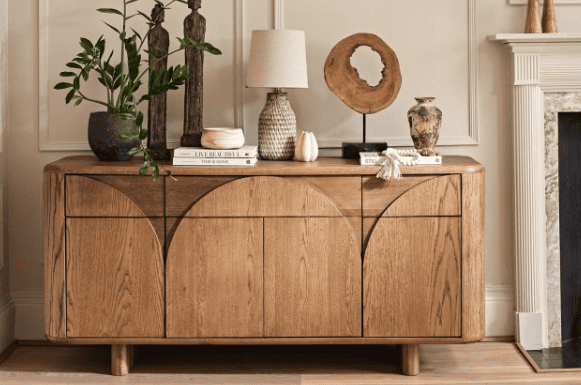
A well-designed home needs furniture that is attractive, practical and capable of handling everyday life. Few pieces achieve this balance as effectively as a sideboard. Once mainly associated with dining rooms, sideboards are now used throughout the home to organise belongings, display decorative pieces and give a room a strong visual anchor.
Oak Sideboards are particularly valued because they combine useful storage with the natural warmth and strength of timber. Their distinctive grain gives each piece character, while their neutral tones work with traditional and contemporary interiors. Whether used for tableware, paperwork, media accessories or household essentials, an oak sideboard can make a room feel tidier without looking purely functional.
Why Oak Is a Natural Choice
Oak has remained a popular furniture material for generations. It is a strong hardwood that can cope well with regular use when properly maintained, making it suitable for pieces that may hold heavy plates, books or electronic equipment.
Its appearance is equally important. Visible grain brings texture to an interior and helps rooms feel warmer. Lighter finishes suit Scandinavian-inspired and minimalist spaces, while richer tones work beautifully in classic, rustic and country-style homes.
Unlike highly fashionable furniture that may feel dated after a few years, oak has an enduring quality. It can adapt to new wall colours, flooring and accessories, making it easier to refresh a room without replacing the main furniture.
More Than Dining Room Storage
The dining room remains one of the most practical places for a sideboard. Cabinets can hold crockery, serving bowls, glasses and table linen, while drawers provide space for cutlery, napkins and smaller accessories. Keeping these items near the dining table makes everyday meals and entertaining more organised.
However, a sideboard is not limited to dining spaces. In a living room, it can store board games, books, cables and media accessories. Its surface can support a television, lamp, photographs or a few carefully chosen ornaments.
In a hallway, a narrow design creates storage for keys, post, hats and other items that often cause clutter. In a home office, the same piece can conceal paperwork, stationery and equipment while making the room feel less corporate.
Choosing the Right Size
Measure the available space before buying. Width matters, but depth should not be overlooked. A deep unit may provide more storage, yet it can restrict movement in a narrow room or hallway.
Allow enough room to open doors and drawers fully. Furniture placed too close to a table, sofa or doorway may become awkward to use. Marking the dimensions on the floor with masking tape can help show how much space the sideboard will occupy.
Height also affects appearance and function. Lower sideboards work well beneath artwork, mirrors or wall-mounted televisions. Taller designs offer greater capacity and may suit rooms where floor space is limited.
Proportion matters too. A very small piece may look lost against a long wall, while an oversized one can dominate a compact room. The aim is useful storage without disrupting the layout.
Consider the Internal Layout
The exterior may attract attention first, but the internal layout determines how practical the sideboard will be. Different combinations of cupboards, drawers and shelves suit different needs.
Large cupboards are ideal for tableware and bulky items. Adjustable shelves provide flexibility for objects of different heights, while drawers work well for cutlery, paperwork, chargers and smaller belongings.
Before choosing, list what you intend to store. This simple step helps prevent the common mistake of buying an attractive piece that does not suit its actual purpose.
Matching Existing Furniture
A room does not need furniture from one matching collection. Carefully mixed finishes can make an interior feel more personal. The key is creating a visual connection between the sideboard and the surrounding pieces.
That connection may come from similar wood tones, handle finishes, leg shapes or design details. Natural oak works comfortably beside neutral upholstery, woven baskets, ceramic accessories and soft fabrics. Black metal handles can connect with industrial lighting, while rounded wooden knobs support a more traditional look.
When exploring designs from Oak Furniture UK, consider how the finish will respond to the lighting and colours already in the room. Timber can appear warmer or cooler depending on daylight, flooring and wall colour.
Avoid placing too many large timber pieces close together. Leaving some open wall and floor space helps the sideboard stand out without making the room feel crowded.
Styling the Surface
The top of a sideboard offers valuable display space, but it can quickly become untidy. A few carefully selected objects usually create a stronger result than many small accessories.
Start with one taller feature, such as a lamp, vase or plant. Add a lower item, such as a bowl, stack of books or decorative tray, to vary the height. Artwork or a mirror above the sideboard can help define the area.
Leave some surface visible so the natural wood remains part of the display. In a dining room, keeping part of the top clear also allows it to be used for serving food or drinks.
Caring for Oak Furniture
Regular, gentle care can help an oak sideboard retain its appearance. Remove dust with a soft cloth and wipe spills promptly. Avoid harsh chemicals, abrasive pads and excessive water because they may affect the finish.
Use coasters or mats beneath drinks, plant pots and hot dishes. Moisture trapped beneath decorative items can leave marks, while direct heat may damage the surface. Keep the furniture away from radiators and unusually damp areas where possible.
Natural timber may gradually change tone in sunlight. Blinds or curtains can reduce strong exposure, and moving decorative objects occasionally can help prevent uneven colour changes.
Check handles, hinges and drawer runners from time to time. Tightening a loose fitting early is easier than repairing damage caused by continued strain.
Look Beyond the Finish
Two sideboards may look similar but differ considerably in construction. Check whether the furniture is made from solid oak, oak veneer or a combination of materials. Veneer can be used effectively, so the main concern should be clear information and sound construction.
Doors should align properly, drawers should move smoothly, and shelves must be strong enough for the items being stored. Delivery dimensions are also important, especially in homes with narrow doorways, tight staircases or limited access.
A carefully chosen sideboard should not only look attractive on arrival. It should continue to function reliably through years of regular use.
A Practical and Lasting Addition
An oak sideboard can solve storage problems while adding warmth, texture and structure to a room. Its versatility allows it to work in dining areas, living rooms, hallways and home offices.
The best choice depends on available space, internal storage, construction quality and the style of the surrounding room. By considering these factors rather than appearance alone, homeowners can select a piece that remains useful and visually appealing as their needs and interiors change.
