
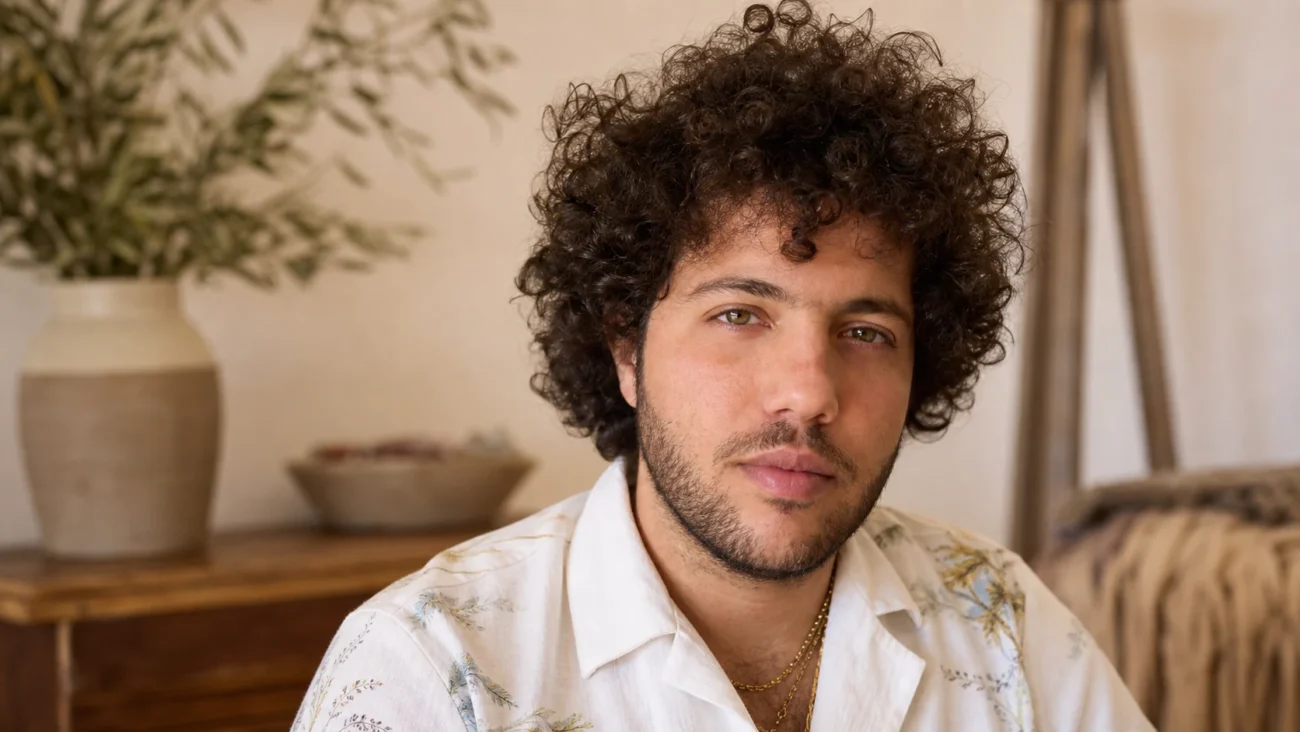
Benny Blanco spent years shaping some of the biggest songs in modern pop before many listeners knew his face. Born Benjamin Joseph Levin, the Virginia-raised songwriter and producer built a career through studio collaborations with artists such as Rihanna, Katy Perry, Maroon 5, Justin Bieber, Ed Sheeran, and Selena Gomez. His growing visibility as a recording artist, television personality, cookbook author, and public figure has also led to frequent questions about Benny Blanco’s ethnicity.
The clearest answer is that Blanco is a Jewish American. He grew up in a Jewish family, attended a Jewish summer camp, and has spoken openly about the importance of Jewish food, holidays, and family traditions in his life. Claims that he is Hispanic or Latino usually stem from his professional surname, “Blanco,” rather than his documented family background. His exact ancestral history, including whether every branch of his family is Ashkenazi Jewish, has not been publicly confirmed in detail.
Early Life and Family
Benny Blanco was born Benjamin Joseph Levin on March 8, 1988, in Reston, Virginia. He is 38 years old as of 2026 and is American by nationality. He grew up in a suburban family far removed from the celebrity culture that would later surround his career.
His parents have been publicly identified as Sandra and Andrew Levin. Blanco has also spoken about growing up with an older brother, though his family generally remained outside the entertainment industry. His parents supported his early interest in music, allowing him to experiment with recording and songwriting while he was still young.
Blanco’s Jewish upbringing appears throughout the stories he tells about childhood. He attended Camp Airy, a Jewish summer camp in Maryland, where he took part in performances and experimented with radio and music. The camp gave him an early place to entertain people and develop the social confidence that later became central to his work in recording studios.
Family food traditions were another strong part of his upbringing. Blanco has recalled eating at Jewish delicatessens with his father and enjoying dishes made by his grandmother, including matzo ball soup. He has also discussed foods such as kugel as part of the emotional connection between cooking, memory, and family life.
What Is Benny Blanco’s Ethnicity?
Benny Blanco’s ethnicity is best described as Jewish American. Jewish identity can include ancestry, culture, religion, family history, and community connection, and people may relate to those elements in different ways. Blanco has publicly embraced Jewish culture without offering a detailed statement about his religious denomination or level of observance.
His Jewish identity is supported by more than his birth surname. He has spoken directly about Jewish food and family customs, attended Passover celebrations, and described the way those traditions bring people together. These public actions provide stronger evidence than assumptions based on his appearance or stage name.
Some online profiles describe Blanco as Ashkenazi Jewish. That classification may be consistent with parts of his family culture, especially dishes associated with Eastern and Central European Jewish communities. However, Blanco has not released a documented family tree or a full account of his grandparents’ origins, so the more specific label should not be treated as fully established.
The responsible description is therefore Jewish American. His nationality is American, while his publicly discussed cultural and family heritage is Jewish. His precise ancestral mix remains private.
Is Benny Blanco Hispanic or Latino?
There is no reliable public evidence that Benny Blanco identifies as Hispanic or Latino. The confusion comes mainly from the surname “Blanco,” a Spanish word commonly found as a family name in Spanish-speaking countries. In Blanco’s case, however, it is a professional name rather than his documented birth surname.
His legal family name is Levin. A stage name does not establish ancestry, nationality, or ethnic identity, even when it resembles a name associated with a particular language or region. Musicians often choose professional names because they are memorable, humorous, easier to market, or connected to an earlier nickname.
Jewish and Latino identities can overlap, and many Jewish families have roots in Spain, Latin America, and Spanish-speaking communities. That broader history does not provide evidence about Blanco’s own ancestry. Without a direct statement or dependable family documentation, it would be inaccurate to assign him a Hispanic or Latino background.
Early Interest in Music
Blanco became interested in music at a young age and began making beats and recording songs in his bedroom. He was drawn to both hip-hop and pop, two genres that later defined much of his production career. Rather than training for a public career as a traditional singer, he focused on how songs were constructed behind the scenes.
As a teenager, he sent demos and recordings to industry figures in an effort to gain attention. His persistence eventually connected him with producer Disco D, who became an early mentor. Blanco later worked with songwriter and producer Dr. Luke, gaining professional experience in the highly competitive world of commercial pop production.
Those early years taught him that successful songwriting depended on more than technical skill. Blanco developed a studio style based on conversation, humor, trust, and close attention to the artist in the room. He often treated recording sessions less like formal appointments and more like gatherings where ideas could develop without pressure.
Career Breakthrough
Blanco’s breakthrough came through songwriting and production credits on major pop records during the late 2000s and early 2010s. He helped create songs for artists including Kesha, Britney Spears, Katy Perry, Maroon 5, and Taio Cruz. His ability to move between pop, hip-hop, electronic music, and R&B made him a sought-after collaborator.
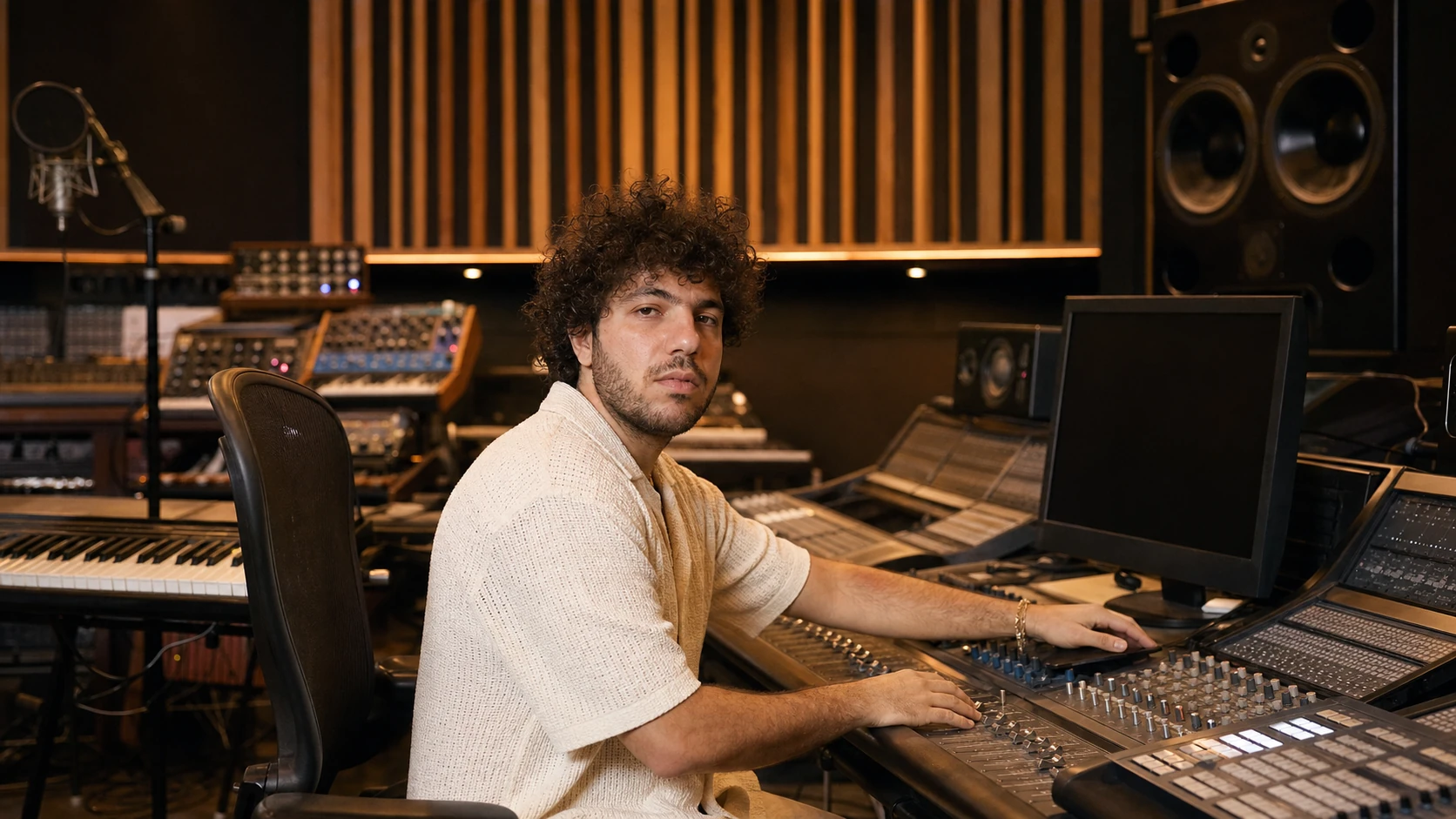
Among the songs connected to his career are “Teenage Dream” by Katy Perry, “Moves Like Jagger” by Maroon 5 featuring Christina Aguilera, “Diamonds” by Rihanna, “Love Yourself” by Justin Bieber, and “Eastside,” his own collaboration with Halsey and Khalid. His work often combined simple melodic ideas with polished production and emotionally direct lyrics.
In 2013, the Songwriters Hall of Fame presented Blanco with the Hal David Starlight Award. The honor recognizes young songwriters who have already made a strong impact on popular music. Receiving it while still in his twenties confirmed that he had moved from promising studio talent to an established industry figure.
Blanco later expanded beyond producing songs for others. He released music under his own professional name and collaborated with performers who had previously relied on him behind the scenes. His move into the foreground introduced audiences to his relaxed humor, unpolished public style, and preference for collaboration over traditional pop-star presentation.
Major Work and Public Recognition
Blanco’s credits span many of the most commercially successful artists of his generation. He has worked with Ed Sheeran, Justin Bieber, The Weeknd, Rihanna, Sia, Ariana Grande, Kanye West, Halsey, Khalid, and numerous others. The exact number of records sold or streamed across all his credits changes constantly, but his commercial reach is clear from the scale of the artists and songs attached to his name.
His solo career began gaining wider attention with “Eastside” in 2018. The song became an international hit and showed that Blanco could release music as a credited artist without changing the collaborative method that had defined his production work. Rather than presenting himself as the sole focus, he continued to share the spotlight with vocalists and co-writers.
He has received multiple Grammy nominations across his career, though his reputation depends less on one award than on the consistency of his work. Producers often contribute to numerous projects without becoming household names, and Blanco spent years in that position. His later television appearances, interviews, food content, and public relationship brought greater attention to the person behind the credits.
Cooking, Jewish Culture, and Open Wide
Food became a major part of Blanco’s public identity alongside music. In April 2024, he released Open Wide: A Cookbook for Friends, created with food writer and recipe developer Jess Damuck. The book focused on cooking for other people, hosting gatherings, and making food feel generous rather than formal.
Although Open Wide is not exclusively a Jewish cookbook, Blanco’s Jewish family background appears in the stories surrounding it. He has described cooking as one of the strongest ways he connects with people and has spoken warmly about recipes tied to his childhood. Jewish dishes and family meals form part of that personal history.
Blanco’s approach to food resembles his approach to producing music. Both depend on reading the room, learning what another person enjoys, and creating an environment where people feel comfortable. He has said in interviews that feeding friends can be a direct expression of care, especially when he remembers their favorite dishes and prepares them during visits.
He has also attended public Passover seders with friends, including gatherings hosted by cookbook author Jake Cohen. These occasions show that Jewish holidays remain part of his adult social life. They do not reveal every detail of his private faith, but they support the description of Blanco as culturally and familially Jewish.
Relationship and Marriage to Selena Gomez
Benny Blanco’s relationship with Selena Gomez brought an even larger audience to his personal life. The two had known each other professionally before confirming their romantic relationship in 2023. Blanco had worked on music connected to Gomez, including “Same Old Love” and “I Can’t Get Enough.”
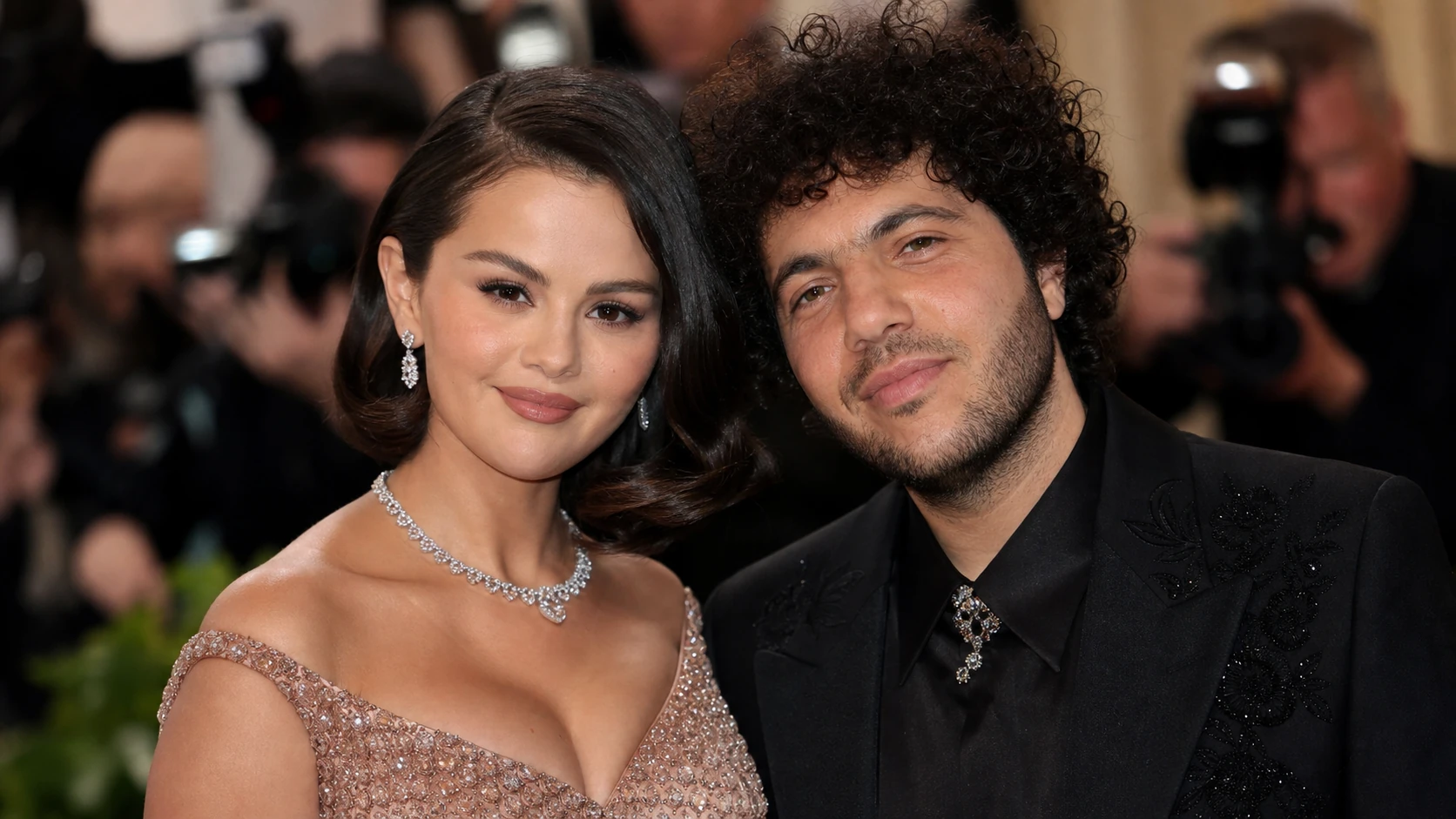
Gomez announced their engagement in December 2024. Their relationship became a frequent subject of entertainment coverage, but both also continued working together creatively. In March 2025, they released the collaborative album I Said I Love You First, which explored their relationship through songs and joint performances.
Public attention to Gomez’s background has sometimes created additional confusion about Blanco’s ethnicity. Gomez is Mexican American on her father’s side, while Blanco is Jewish American. A relationship between people from different backgrounds does not change either partner’s ethnicity.
As of 2026, Blanco and Gomez remain major public figures whose private lives receive intense attention. Details about marriage plans, family decisions, or children should not be treated as confirmed unless the couple announces them directly. They have not publicly confirmed having children together.
Net Worth and Income Sources
Benny Blanco’s exact net worth is not publicly confirmed. Celebrity finance websites publish estimates that often vary widely, and those figures are not supported by a public financial statement, court filing, or verified disclosure from Blanco. Any precise number should therefore be treated cautiously.
His income has likely come from several established sources. These include songwriting royalties, production fees, publishing rights, recording income, streaming, licensing, live appearances, television work, and book sales. Songs with long commercial lives can continue generating income through radio play, streaming services, films, advertising, and performance royalties.
Blanco has also been associated with music publishing and record-label ventures, giving him potential income beyond individual studio sessions. Still, revenue is not the same as personal wealth. Management fees, taxes, ownership splits, business costs, property, investments, and private debts all affect a person’s actual net worth.
The sound conclusion is that Blanco has earned substantial money through a long and successful music career. His exact personal fortune remains private.
Public Image
Blanco’s public image differs from the polished style associated with many pop producers and executives. He often appears casual, jokes freely in interviews, and presents himself as more interested in friendship and creativity than celebrity status. That informality has helped audiences see him as approachable, though it can also make people underestimate the discipline behind his career.
Artists who have worked with him often return for later projects, suggesting that his studio relationships are an important part of his success. He creates an atmosphere where performers can experiment without feeling judged. His social personality is not separate from his professional skill; it is one of the tools he uses to help songs take shape.
His visibility through cooking has strengthened that image. Whether he is making a meal or producing a record, Blanco presents himself as a host who wants people to relax. That combination of technical ability, humor, and hospitality has given him a public identity that extends beyond music credits.
Recent Work and Current Status
Blanco remained active across music and food projects during 2024 and 2025. The release of Open Wide introduced him to readers who may not have followed his production work, while his joint album with Selena Gomez placed him more directly in the public eye as a recording artist.
The Gomez and Blanco song “Bluest Flame” received a Grammy nomination in the 2026 awards cycle for Best Dance Pop Recording. The nomination added another high-profile credit to a career already defined by collaborations across pop music.
As of 2026, Blanco continues to work as a songwriter, producer, artist, and media personality. His Jewish background remains visible through his public conversations about food and family, but he has not turned his identity into a formal personal brand. He appears to treat it as a lived part of his upbringing and social life rather than a label requiring constant explanation.
Frequently Asked Questions
What is Benny Blanco’s ethnicity?
Benny Blanco is Jewish American. He was born Benjamin Joseph Levin in Virginia and grew up with Jewish family traditions, food, holidays, and community experiences.
Is Benny Blanco Ashkenazi Jewish?
Blanco is often described online as Ashkenazi Jewish, and several family traditions he discusses are associated with Ashkenazi culture. However, he has not publicly provided a detailed genealogy confirming the background of every branch of his family.
Is Benny Blanco Hispanic or Latino?
There is no reliable public evidence that he identifies as Hispanic or Latino. “Blanco” is his professional name, while his birth surname is Levin.
What is Benny Blanco’s real name?
His full birth name is Benjamin Joseph Levin. He adopted Benny Blanco as his professional name during his music career.
How old is Benny Blanco?
Benny Blanco was born on March 8, 1988. He is 38 years old as of 2026.
Is Benny Blanco religious?
Blanco has publicly embraced Jewish culture, family traditions, Passover, and Jewish food. His exact religious beliefs, denomination, and current level of observance are not publicly confirmed.
What is Benny Blanco’s net worth?
His exact net worth is private. Various websites publish estimates, but no dependable public financial disclosure confirms a precise figure.
Conclusion
Benny Blanco’s ethnicity is best understood through the identity he has publicly shared: he is a Jewish American raised in Virginia as Benjamin Joseph Levin. His professional surname has caused confusion, but it does not establish Spanish, Hispanic, or Latino ancestry.
His Jewish background appears most clearly in memories of family meals, summer camp, Passover gatherings, and the recipes he associates with parents and grandparents. Those details offer a more meaningful picture than an unsupported ancestry label or a guess based on appearance.
Blanco’s career also explains why interest in his background has grown. After years of creating hits behind the scenes, he became a visible artist, author, partner, and personality in his own right. More people now know the man whose work they had already heard for years.
His public place rests on more than celebrity connections. Blanco has built a lasting career by helping other artists feel understood, turning collaboration into hit records, and applying the same instinct for hospitality to food and friendship.
