
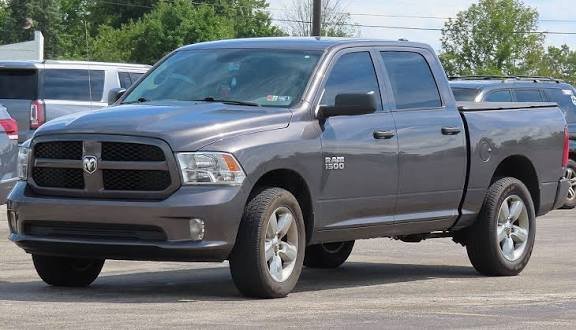
Choosing a pickup truck based on appearance, engine power, or towing capacity alone can lead to the wrong match for your daily workload. If you regularly carry tools, equipment, building materials, recreational gear, or other cargo, payload capacity should be one of your main considerations. The right truck should comfortably handle your typical load without pushing its weight ratings. Whether you are comparing a light-duty pickup for everyday use or a heavy-duty model for demanding work, understanding payload can make the selection process much easier. Exploring options such as a San Antonio Ram can also help you compare configurations and determine which model fits your requirements.
Understand What Payload Capacity Means
Payload is the amount of weight a truck can carry inside the cab and bed. This includes passengers, cargo, accessories, and other items added to the vehicle. It is different from towing capacity, which refers to how much weight the truck can pull with a trailer.
Ram explains that Gross Vehicle Weight Rating (GVWR) represents the maximum combined weight of the truck, passengers, and cargo. Therefore, calculating your payload needs requires looking beyond the weight of the items you intend to place in the bed.
For example, if your cargo weighs 1,500 pounds and three passengers, tools, and accessories add another 500 pounds, the truck needs enough payload capacity for at least 2,000 pounds.
Estimate Your Typical Cargo Weight
Start by making a realistic list of everything you expect to carry. Consider materials, equipment, tools, passengers, fuel, bed accessories, and other permanent additions.
Think about your regular workload rather than an unusually heavy load that happens once a year. A contractor may routinely carry lumber, power tools, ladders, and equipment, while a recreational driver might carry camping equipment, bicycles, coolers, or other outdoor gear.
Weighing your equipment or checking manufacturer specifications can provide a more accurate estimate. Once you know your typical cargo weight, you can begin comparing Ram truck configurations that provide sufficient capacity.
Consider the Ram 1500 for Lighter Payload Needs
For many drivers, a light-duty pickup can provide the right balance between everyday comfort and useful cargo capacity. The Ram 1500 is designed for a wide range of personal and work-related uses, including hauling cargo in the bed.
For the 2026 model year, Ram lists a maximum payload capacity of 2,360 pounds for the Ram 1500 when properly equipped. Actual capacity varies according to configuration, equipment, drivetrain, cab, engine, and other factors.
This makes it important to compare the specifications of the exact truck you are considering instead of relying only on the maximum figure advertised for an entire model line.
Move Up to a Heavy-Duty Ram When Necessary
If your regular payload requirements approach the limits of a light-duty truck, a heavy-duty model may be more appropriate. The Ram 2500 and Ram 3500 are designed for more demanding hauling and towing applications.
Ram’s capability information identifies the Ram 2500 for heavier loads and applications such as livestock transportation and fifth-wheel RVs, while the Ram 3500 is designed for even larger hauling requirements.
Heavy-duty trucks also offer different configurations that can significantly change payload ratings. Cab size, bed length, drivetrain, engine, axle configuration, and optional equipment can all affect the amount of weight a particular truck can carry.
Check GVWR and Other Weight Ratings
Payload should never be considered by itself. GVWR, Gross Axle Weight Rating (GAWR), and Gross Combined Weight Rating (GCWR) are also important when evaluating a truck’s capabilities.
Ram defines GVWR as the maximum allowable weight of the fully loaded vehicle, including passengers and payload. GCWR covers the combined weight of the towing vehicle and loaded trailer.
When towing, remember that trailer tongue weight also counts toward the truck’s payload. This means a truck carrying passengers and cargo in the bed may have less remaining payload available for trailer tongue weight.
Compare Configurations Carefully
Two trucks carrying the same model name can have different payload ratings. For example, a four-wheel-drive configuration may weigh more than a comparable two-wheel-drive version, reducing the available payload. Larger cabs and additional equipment can have a similar effect.
Cab configuration also matters. Ram notes that regular-cab trucks generally accommodate more payload, while larger four-door configurations prioritize passenger space.
When comparing trucks, look at the specifications for the exact combination of engine, cab, bed, drivetrain, and options rather than simply comparing model names.
Leave a Practical Safety Margin
It is wise to avoid selecting a truck that operates right at its maximum payload rating every time you load it. Your needs can change, and unexpected passengers, tools, or materials can add weight.
A truck with some additional capacity gives you more flexibility for changing workloads. However, the goal is not necessarily to purchase the truck with the largest possible rating. A larger heavy-duty truck can involve greater purchase costs, size, and operating considerations. Choose a capacity that reasonably matches your actual requirements.
Think About How You Use the Truck
Your payload needs should reflect your complete usage pattern. If you primarily commute and occasionally carry light cargo, a heavy-duty truck may provide more capability than you need. Conversely, regularly carrying construction equipment or substantial loads may justify moving into a higher-capacity model.
Consider how frequently you haul, what type of cargo you carry, how many people typically ride with you, and whether towing is also part of your routine. Ram recommends considering how the truck will be used, the cargo carried, road conditions, and whether it is primarily for work or personal purposes.
Conclusion
Choosing a Ram truck based on payload needs starts with understanding exactly what you carry and how much it weighs. Calculate cargo, passengers, accessories, and potential trailer tongue weight, then compare the GVWR and payload rating of specific configurations. The Ram 1500 can suit many everyday hauling requirements, while the Ram 2500 and Ram 3500 provide greater capability for heavier workloads. By matching the truck’s actual specifications to your regular needs and maintaining appropriate capacity, you can select a pickup that is practical, capable, and suited to the way you work and drive.
