
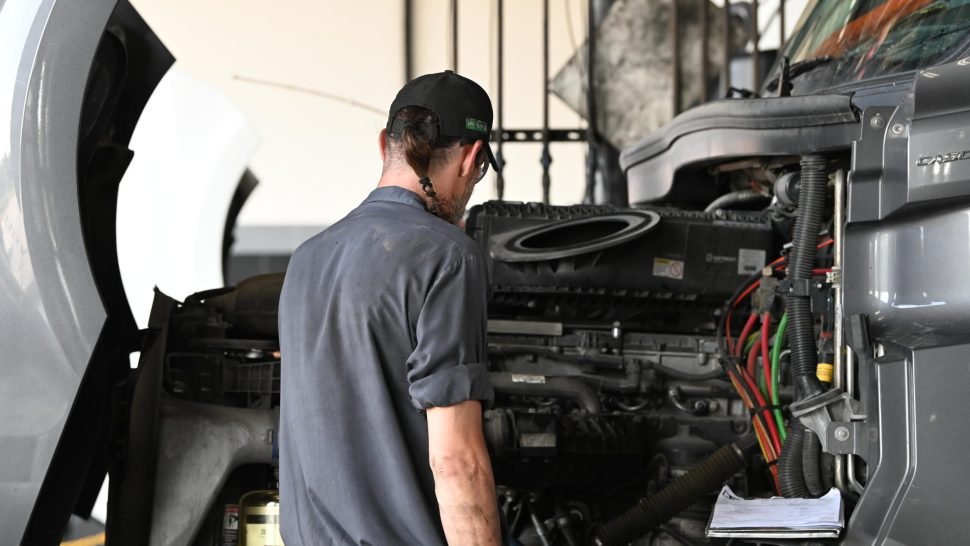
When buying a used truck, the engine and cooling system deserve careful attention because repairs to either can become expensive. A truck may look clean on the outside while hiding leaks, overheating problems, neglected maintenance, or signs of excessive wear under the hood. For shoppers comparing used trucks for sale New Mexico, inspecting these systems can provide valuable information about the vehicle’s condition and maintenance history. A systematic inspection, combined with a professional evaluation, can help identify potential problems before completing a purchase.
Start With a Cold Engine
Whenever possible, inspect and start the truck while the engine is cold. A cold start can reveal problems that may be less noticeable after the engine has warmed up, including difficult starting, excessive smoke, rough idling, and unusual noises.
Before starting the truck, look around the engine compartment for obvious signs of fluid leaks or previous repairs. Check whether the engine appears excessively dirty or has fresh oil or coolant around gasket areas, hoses, or other components.
If the engine has already been warmed up when you arrive, ask why. A warm engine does not automatically indicate a problem, but it limits what you can learn during the initial inspection.
Examine the Engine Oil
Engine oil can provide clues about maintenance and potential mechanical problems. Check the oil level with the dipstick and examine its appearance and consistency.
Extremely low oil can indicate neglect or a leak. Milky or frothy oil can indicate coolant contamination, which may point toward a head-gasket or other internal engine problem. Metal particles in the oil can also warrant further mechanical investigation.
The oil condition should not be used as a standalone diagnosis, but unusual findings are good reasons to have a qualified technician investigate further.
Look for Oil and Fluid Leaks
Inspect the engine from the top and underneath the truck for evidence of leaks. Look around valve covers, the oil pan, seals, hoses, coolant connections, and other areas where fluids may escape.
A small amount of accumulated grime does not necessarily mean a serious problem, but fresh fluid or significant wetness deserves attention. Also check the ground underneath the truck after it has been running.
If there is evidence of a persistent leak, ask whether the truck has been repaired and request documentation when available.
Inspect the Coolant
The cooling system helps regulate engine temperature, making its condition particularly important on a used truck. With the engine completely cool, inspect the coolant reservoir and, where appropriate and safe, the radiator.
Look for the correct coolant level and signs of contamination, such as oil, excessive rust, sediment, or an unusual appearance. Cooling-system inspection guidance also recommends checking for coolant leaks, deteriorated hoses, radiator problems, and contamination.
Never remove a radiator or pressurized coolant-system cap while the engine is hot. Hot coolant can cause serious burns.
Check the Radiator and Hoses
Examine the radiator for damaged fins, corrosion, leaks, or excessive blockage. Dirt and debris can restrict airflow through the radiator and reduce cooling efficiency.
Next, inspect the upper and lower radiator hoses and other accessible coolant hoses. They should not show obvious cracking, swelling, severe softness, or other deterioration. Clamps and connections should also be checked for signs of leakage.
Because hoses and related components can deteriorate with age, their condition matters even when the engine itself appears to run normally.
Evaluate the Water Pump and Thermostat
The water pump circulates coolant through the engine and radiator, while the thermostat helps regulate operating temperature. Problems with either component can contribute to overheating.
Look around the water-pump area for signs of coolant leakage and listen for unusual bearing or pulley noises. During a professional inspection, the cooling system can be tested more thoroughly to determine whether coolant is circulating and whether the engine reaches and maintains its normal operating temperature.
A cooling-system pressure test can also help identify leaks that are difficult to see during a basic visual inspection.
Observe the Engine Temperature
A test drive is an important part of evaluating a used truck. Watch the temperature gauge as the engine warms up and during normal driving.
The temperature should generally stabilize within the range specified by the manufacturer. An engine that runs unusually hot, fluctuates significantly, or displays an overheating warning requires further investigation.
During the drive, also listen for unusual knocking, rattling, ticking, or other noises. Pay attention to the truck’s acceleration, idle quality, exhaust smoke, and overall engine behavior. A road test can reveal issues that are difficult to identify while the vehicle is parked.
Watch for Exhaust Smoke
Exhaust color can provide useful clues, although it should always be interpreted in context. Persistent blue or gray smoke may indicate oil consumption, while persistent white smoke can indicate coolant entering the combustion process. Heavy black smoke can point toward fuel-related or combustion issues, depending on the engine and operating conditions.
Brief condensation from a cold exhaust is not necessarily a concern. Persistent or excessive smoke, however, deserves professional diagnosis before purchase.
Inspect Belts, Fans, and Airflow
Cooling performance depends on more than coolant and the radiator. Inspect accessible belts for cracking, fraying, glazing, or other visible damage. Also examine the cooling fan, fan shroud, and surrounding components for damage.
The radiator and related heat exchangers should be reasonably clear of excessive dirt, leaves, and debris. For trucks that have experienced extensive off-road use, inspect carefully for mud accumulation or physical damage.
These details can help reveal whether the truck has received appropriate maintenance or has operated in demanding conditions.
Review Maintenance Records
Service records can provide valuable context for everything you discover during the inspection. Look for documentation of oil changes, coolant services, water-pump replacement, thermostat work, radiator repairs, belt replacement, and other major engine-related maintenance.
A consistent maintenance history does not guarantee that a used truck is problem-free, but it can help establish how the vehicle was cared for. If major engine or cooling-system repairs have been performed, ask for invoices or service documentation.
Get a Professional Inspection
A visual inspection is useful, but it cannot identify every mechanical problem. Before buying a used truck, consider having an independent mechanic perform a pre-purchase inspection.
A professional may be able to conduct diagnostic scans, compression or leak-down testing when appropriate, cooling-system pressure testing, and other evaluations that go beyond a basic walk-around. Fleet and truck inspection guidance commonly recommends combining visual checks with diagnostic testing, road testing, and maintenance-record verification.
This is especially important when the truck will be used for towing, hauling, or other demanding work.
Conclusion
Inspecting the engine and cooling system is an important part of evaluating any used truck. Start with a cold-engine inspection, examine the oil and coolant, look for leaks, check hoses and radiator components, monitor engine temperature, and pay attention to unusual smoke or noises during a test drive. Maintenance records and a professional pre-purchase inspection can provide additional confidence and help uncover problems that are not immediately visible. Taking the time to evaluate these systems carefully can make the used-truck buying process more informed and help you understand the vehicle’s condition before making a purchase.
