

Jodi Arias became nationally known not through a public career, creative achievement, or business success, but through one of the most watched American murder trials of the 2010s. Readers searching for Jodi Arias net worth are usually trying to understand whether her notoriety created income, whether she earns money in prison, and what is publicly known about her life now. The most accurate answer is that her exact net worth is not publicly confirmed, and any precise figure online should be treated as an unverified estimate.
Arias is serving a life sentence without the possibility of parole for the 2008 murder of Travis Alexander in Mesa, Arizona. Her public identity is tied to that crime, the televised trial, and the years of media attention that followed. Because her name remains active in true-crime searches, claims about her money, artwork, and prison life continue to circulate, but the verified record is much narrower than the speculation.
Who Is Jodi Arias?
Jodi Ann Arias is an American convicted murderer whose case drew national attention after the death of Travis Victor Alexander. She was born on July 9, 1980, and was in her late twenties when Alexander was killed in June 2008. Before the case, Arias was not a celebrity or public figure. She lived a largely private life, worked ordinary jobs, and had an interest in photography.

Arias met Alexander in the mid-2000s, and their relationship became a central part of the later criminal case. Prosecutors described a relationship marked by jealousy, conflict, and obsession. Arias’s defense presented a different account, arguing that she had been abused and acted in self-defense. Jurors rejected that defense.
Her trial became a national media event because of its emotional testimony, graphic evidence, and long courtroom coverage. Arias testified for many days, and her changing explanations about Alexander’s death became one of the defining features of the case.
Early Life and Background
Public information about Arias’s early life is limited compared with the amount of material available about the trial. She was born in Salinas, California, and spent part of her life in California before later connections to Arizona. Details about her education, family upbringing, and early ambitions have been reported in fragments, but much of her private background remains outside the public record.
Before the murder case, Arias worked in several jobs and pursued photography. She was not known nationally, and there is no verified evidence that she had built notable wealth before the case. Her life became public only because of the criminal investigation and trial.
That distinction matters in any biography of Arias. She is not a public figure in the usual sense. Her fame came from a violent crime, a victim’s death, and a legal process that exposed many private details to national audiences.
Relationship With Travis Alexander
Travis Alexander was a 30-year-old motivational speaker and salesman who lived in Mesa, Arizona. He and Arias met through business and social circles connected to Pre-Paid Legal Services. Their relationship included romance, religion, travel, arguments, and a complicated break after their formal relationship ended.

Alexander was found dead in his home on June 9, 2008. Trial evidence showed that he had suffered severe injuries, including multiple stab wounds, a gunshot wound, and a deep neck wound. Arias first denied being present, then claimed intruders were responsible, and later admitted killing him while saying she acted in self-defense.
The prosecution argued that Arias planned the killing after Alexander tried to move on with his life. The defense argued that the killing happened during a confrontation. After weeks of testimony, jurors convicted Arias of first-degree murder in May 2013.
Trial, Conviction and Sentence
The trial of Jodi Arias became one of the most heavily covered courtroom stories of its era. Cable news, true-crime programs, and online commentators followed the case closely. Viewers watched testimony about phone records, gas cans, rental cars, photographs, and the final hours of Alexander’s life.
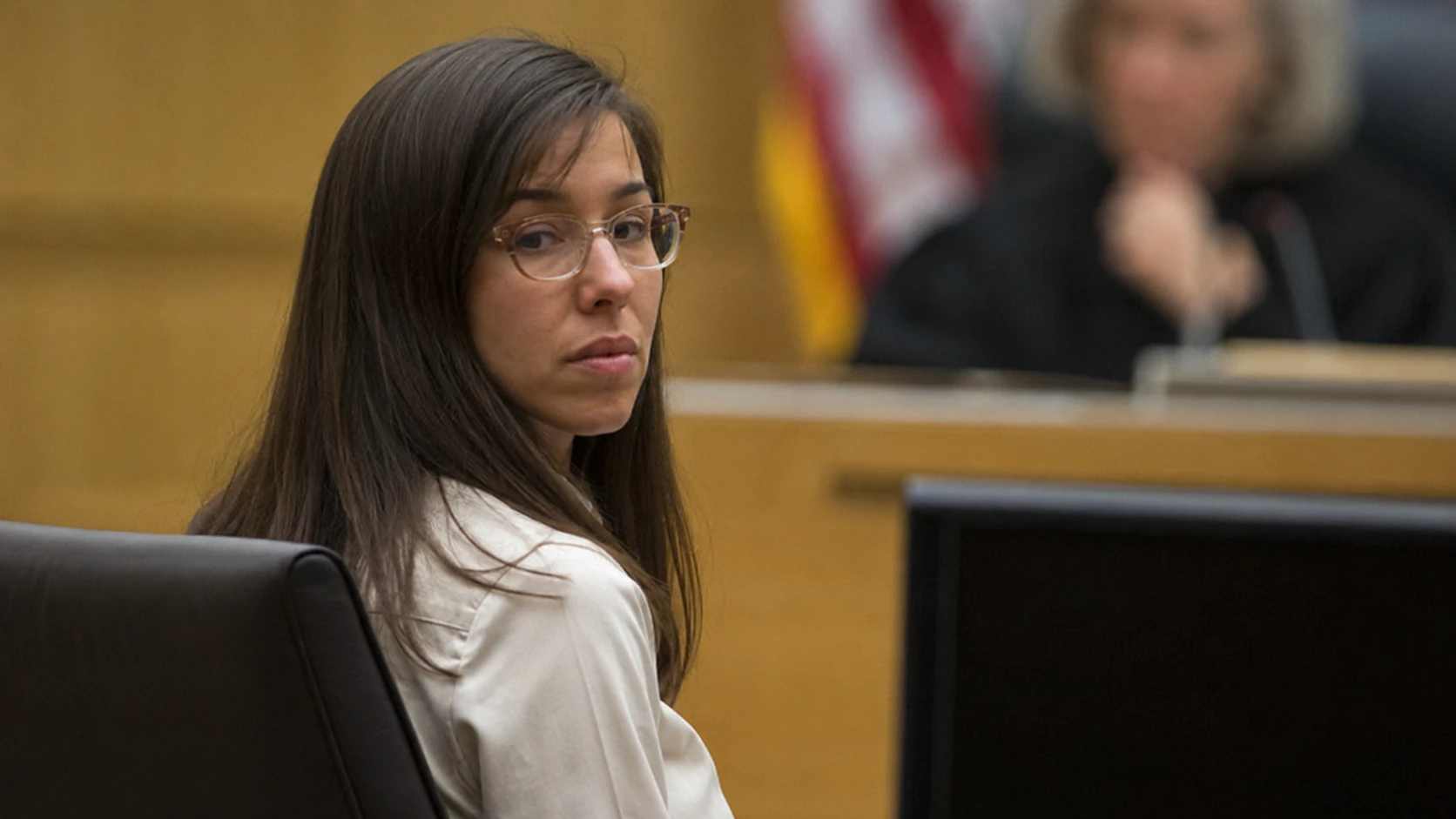
After the guilty verdict, the sentencing phase became another long legal battle. Arizona law required a jury decision on whether Arias should receive the death penalty, but two juries could not agree on that sentence. In April 2015, a judge sentenced Arias to life in prison without the possibility of parole.
Arias later appealed her conviction and sentence. In 2020, the Arizona Court of Appeals upheld both. The Arizona Supreme Court declined to review the case, leaving her conviction and life sentence in place.
Jodi Arias Net Worth
Jodi Arias’s net worth is not publicly confirmed. Many websites list exact numbers, but those figures are not supported by verified financial records. There is no public filing that proves her assets, income, prison account balance, annual art revenue, or personal savings.
The most careful answer is that Arias may have access to modest funds through artwork sales and outside support, but there is no proof that she is wealthy. Some reports have described original artwork, prints, and postcards sold through a website linked to her art. Asking prices have varied, with some original pieces reported at much higher prices than prints or small items.
Those prices do not prove net worth. A listed painting price is not the same as personal profit. Supplies, shipping, website management, outside handlers, donations, legal expenses, and prison rules may all affect how much money she actually receives or controls.
Prison Art and Income Sources
The clearest public financial activity connected to Arias is her artwork. She has been linked to an online art presence that promotes drawings and paintings made while incarcerated. Public reports have said family members or outside contacts help manage parts of that activity, which would be necessary because incarcerated people do not run online businesses in the ordinary way.
Some art-related revenue has reportedly been described as going toward supplies, appeals, and selected donations. That makes the financial picture harder to measure. Money connected to a sale may not be the same as money held personally by Arias.
There is also a legal and moral debate around the issue. Many people object to any commercial market connected to a convicted murderer. Others view prison art as a permitted creative activity if it is not directly profiting from the crime itself. Public reporting has indicated that Arizona officials were aware of Arias’s art activity and did not treat it as illegal because the art was not directly about the murder.
Public Image and True-Crime Attention
Arias’s public image remains shaped almost entirely by the murder case. To some viewers, she became a symbol of deception because of her shifting stories after Alexander’s death. To others who followed the defense’s arguments, the case raised questions about relationships, abuse claims, media judgment, and courtroom spectacle.
The public debate has never been separate from the suffering of Travis Alexander’s family. His death is the reason Arias became known, and any discussion of her fame or finances should keep that fact in view. True-crime attention can keep cases alive for new audiences, but it can also reopen pain for families connected to the victim.
That is why the net worth question feels different from ordinary celebrity finance coverage. Arias’s name has commercial value only because of a homicide. The public interest is real, but it sits beside an ethical discomfort that cannot be ignored.
Current Status and Recent Updates
As of the latest public record, Jodi Arias remains incarcerated in Arizona and is serving life without parole. Her conviction has not been overturned, and her sentence remains in effect. Renewed media coverage in recent years has focused on her artwork, possible legal claims, and the continuing public interest in the case.
In 2024, reports about her prison artwork revived questions about whether she was making money while incarcerated. In 2025 and 2026, the case continued to appear in true-crime coverage and local Arizona reporting tied to legal claims and public statements. None of that has changed the core legal outcome.
Her current life is defined by incarceration, limited public communication, and occasional attention from the true-crime world. She is not building a traditional career, and her financial status remains mostly private.
Frequently Asked Questions
What is Jodi Arias’s net worth?
Jodi Arias’s exact net worth is not publicly confirmed. Online figures should be treated as estimates because there is no verified financial record showing her assets, income, or prison account balance.
How does Jodi Arias make money?
The main reported income activity connected to Arias is prison artwork. Drawings, paintings, prints, and postcards linked to her art have been promoted online with help from people outside prison.
Is Jodi Arias still in prison?
Yes. Jodi Arias is serving a life sentence without the possibility of parole in Arizona for the 2008 murder of Travis Alexander.
Did Jodi Arias profit from her trial?
There is no verified evidence that Arias became wealthy from the trial itself. Her notoriety may help draw attention to her artwork, but that is not the same as proven wealth.
Was Jodi Arias married?
Jodi Arias has not been publicly confirmed as married. Her best-known relationship was with Travis Alexander, whose death led to her murder conviction.
Did Jodi Arias win her appeal?
No. Her conviction and life sentence were upheld by the Arizona Court of Appeals in 2020, and the Arizona Supreme Court declined review.
Conclusion
Jodi Arias’s story remains public because the crime, trial, and media coverage left a lasting mark on American true-crime culture. Her name continues to generate searches, but the facts about her finances are limited.
The most reliable answer about Jodi Arias net worth is that it is unknown. She has been linked to prison artwork sales, but no public evidence proves major wealth or a confirmed personal fortune.
Her life now is not a celebrity story in the usual sense. It is the story of a convicted murderer serving life without parole, a victim whose family continues to carry the loss, and a public that still debates where curiosity ends and exploitation begins.
