

José Darey Castro is the Mexican regional music singer and accordionist best known as the central voice behind Los Dareyes de la Sierra. For many listeners, his name is tied to “Hasta El Día De Hoy,” the heartbreak song that became a defining hit for the act in the late 2000s. For younger fans, he has become newly visible through the current corridos tumbados wave, recent collaborations, and the renewed attention around albums such as Redención and SABIA.
His story is not the usual overnight rise. Castro built his career across years of regional touring, recorded music, and stylistic change before reaching a new generation of listeners. Public information about his private life remains limited, but his musical identity is clear: he is a Sonora-born artist whose voice, accordion work, and catalog helped connect traditional regional Mexican sounds with the streaming-era audience.
Early Life and Background
José Darey Castro, also publicly listed as José Darey Castro Borbón, is from Sonora, Mexico. Mexican media has identified him with Navojoa, a city in southern Sonora with deep ties to norteño, sierreño, banda, and corrido traditions. Those regional roots matter because they help explain the sound that shaped his career.
His exact date of birth and age are not publicly confirmed by strong sources. Some entertainment listings identify April 17 as his birthday, but a verified birth year has not been clearly established in reliable public records. Because of that, exact age claims about José Darey Castro should be treated carefully.
Details about his parents, siblings, childhood, schooling, and early personal life are also not publicly confirmed. That absence is common among regional Mexican artists who built careers before social media made personal biography part of public branding. Castro’s available public story begins most clearly with music, not with private family detail.
Musical Beginnings
Before the Dareyes de la Sierra name became widely known, Castro was reportedly linked to earlier musical projects and group names in the regional Mexican circuit. Public Mexican coverage has connected him with names such as Los Llegadores de Sonora and Los Alteños de la Sierra before the Dareyes identity became his best-known public platform.
His musical foundation was built around voice, accordion, and the emotional language of regional Mexican music. Castro’s style can move between romantic songs, corridos, norteño textures, sierreño arrangements, and more modern tumbado influences. That range later became important because it allowed him to appeal to older listeners while also fitting into newer regional trends.
The group name Los Dareyes de la Sierra became the identity most associated with him. Public trademark records list José Darey Castro Borbón as the owner connected to the Los Dareyes de la Sierra mark in the United States. Those records also cover recorded music and live performances, showing that the name was not only artistic but also part of his business identity.
Breakthrough With Los Dareyes de la Sierra
Los Dareyes de la Sierra became best known to many fans through “Hasta El Día De Hoy.” The song was a major regional Mexican success in 2008, reaching No. 1 on Billboard’s Regional Mexican Airplay chart and becoming one of the act’s signature recordings. Its emotional directness gave Castro a lasting place in the memory of listeners who followed the genre during that period.
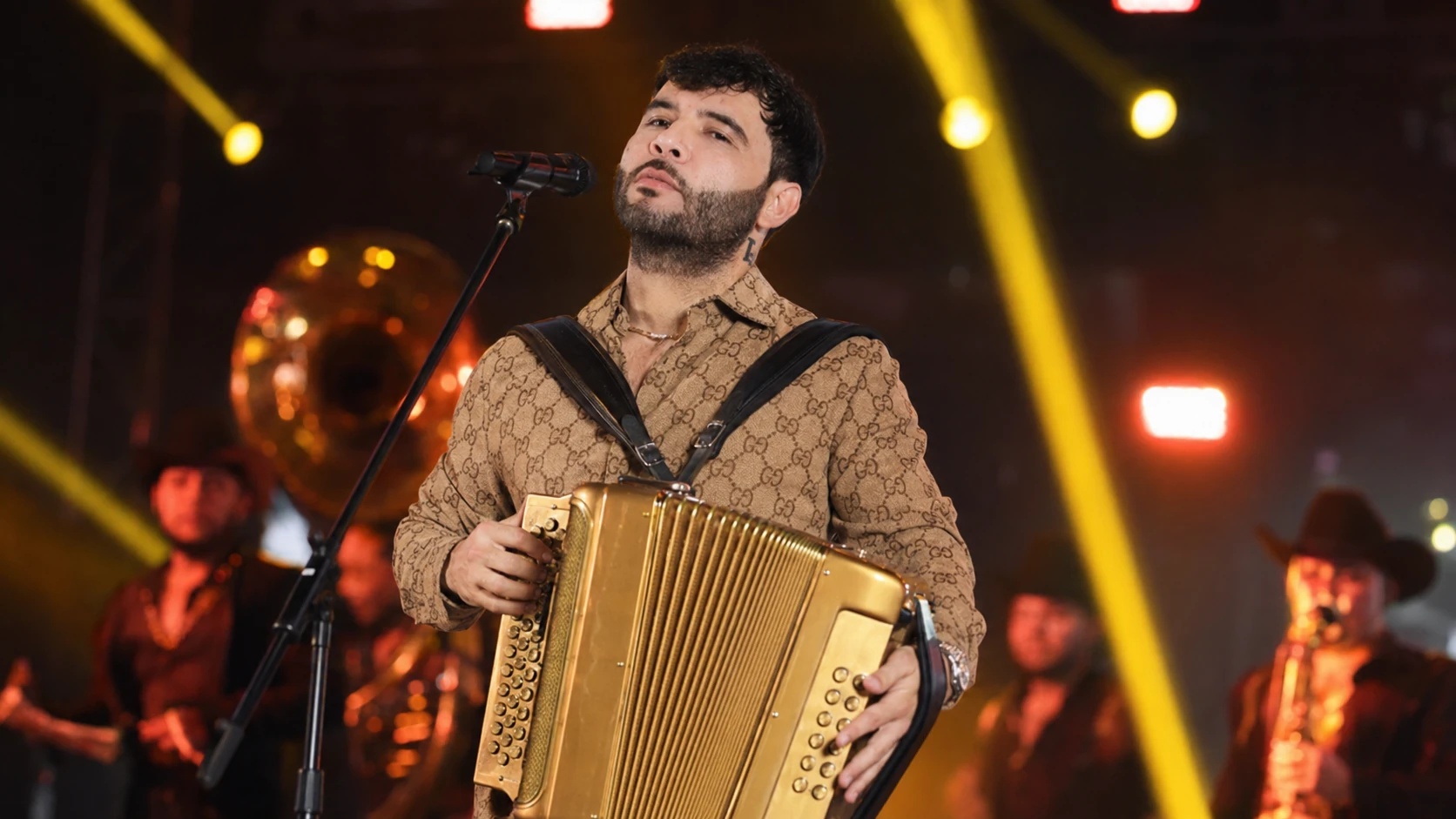
The song’s appeal came from its simplicity and force. It carried the pain of a relationship that still lingers, a theme that has always been central to regional Mexican music. Castro’s voice gave the track a worn, personal feeling, which helped it last beyond its original radio moment.
Years later, “Hasta El Día De Hoy” still works as an introduction to Castro’s career. For longtime fans, it is a reminder of the group’s strongest early impact. For newer listeners, it explains why his return to wider visibility did not come from nowhere.
Career Setbacks and Resilience
José Darey Castro’s career has included difficult turns, although the full details of some early setbacks are not widely available in accessible public records. Older reporting has referred to a dangerous period in his career before his later Billboard breakthrough. The most responsible way to describe that chapter is to say that Castro’s public path included disruption, survival, and rebuilding.
That context gives added meaning to his later career. Many artists have one successful radio era and then fade as tastes change. Castro, by contrast, remained connected to the music long enough to find a second moment with a younger audience.
His resilience is part of why recent interest in him feels different from simple nostalgia. The renewed attention around José Darey Castro is not just about an old hit returning online. It is about a veteran artist finding his voice again inside a changed market.
Corridos, Style, and Reinvention
Castro’s music has long sat close to corrido tradition, but he has also been linked to themes and sounds that later became more accepted in the corridos tumbados era. Earlier work associated with “corridos verdes” placed him near material that was not always easy to market in older regional formats. As public taste shifted, some of those instincts began to sound ahead of their time.
The rise of corridos tumbados changed how younger listeners heard regional Mexican music. Acoustic guitars, accordion textures, street narratives, romantic pain, and youth culture began mixing more openly across streaming platforms. Castro’s older experience gave him credibility in that space because he did not sound like an outsider borrowing the style.
His voice remains the center of the appeal. It is rough enough for corridos and tender enough for heartbreak songs. That combination has helped him move between classic regional material and newer recordings without losing the identity that first made listeners remember him.
Collaborations and New Visibility
In the 2020s, José Darey Castro and Los Dareyes de la Sierra became newly visible through connections with younger música mexicana stars. One major moment was “VVS,” credited to Edgardo Núñez and Los Dareyes de la Sierra with Peso Pluma. The track introduced the Dareyes name to listeners who may have first entered the genre through Peso Pluma’s global rise.
Castro’s connection to the new generation has also appeared through live moments and collaborations with artists associated with the modern corrido movement. Names linked in public coverage include Peso Pluma, Netón Vega, Luis R Conriquez, Tito Double P, Xavi, Tony Aguirre, and others. The exact depth of each relationship varies, but the larger pattern is clear: Castro became part of the bridge between older regional Mexican music and the current streaming wave.
This renewed visibility helped reshape how fans discuss him. He is no longer viewed only as the singer behind a late-2000s hit. He is also seen as a veteran whose sound fits surprisingly well with the younger generation’s appetite for raw, emotional, street-rooted regional music.
Redención and the 2025 Comeback
The 2025 release of Redención marked one of the most important recent chapters in José Darey Castro’s career. Public reporting described it as his first release in several years and tied it to a major comeback period for Los Dareyes de la Sierra. The title itself carried a sense of return, recovery, and renewed purpose.

The album arrived as música mexicana was enjoying major growth across streaming platforms and U.S. audiences. That timing helped, but it was not the only reason the project connected. Castro already had a recognizable voice, a meaningful catalog, and a name that carried weight for longtime fans.
The Redención era also led into broader touring activity, including a U.S. tour reported for 2025. For an artist whose earlier success was tied strongly to regional radio and fan loyalty, touring in this renewed phase showed that online momentum had real-world demand behind it.
SABIA and 2026 Current Status
In 2026, Los Dareyes de la Sierra continued the comeback period with SABIA. The album was listed as a 2026 release and presented Castro’s act as still active after the attention generated by Redención. That follow-up mattered because it showed the renewed interest was not limited to one album cycle.
SABIA also reflected a willingness to keep experimenting. Public album descriptions connected the project to regional Mexican music while also pointing to modern touches and cross-genre elements. For Castro, that balance has become central to his current identity.
As of 2026, José Darey Castro is publicly known as an active regional Mexican artist with renewed visibility, streaming-era relevance, and a catalog that spans older hits and newer corrido-influenced recordings. His exact personal routine, home life, and future plans are not fully public. What is clear is that his career remains active and closely watched by fans of modern música mexicana.
Marriage, Children, and Private Life
José Darey Castro has kept his private life largely out of public view. Reliable public sources do not clearly confirm a spouse, marriage, children, or detailed family relationships. Because of that, claims about his romantic life or household should be treated cautiously unless they come from direct confirmation.
This privacy is not unusual in regional Mexican music. Many performers keep a strong public stage identity while protecting their families from attention. Castro’s public profile has stayed focused mainly on songs, performances, albums, and the Dareyes de la Sierra name.
Respecting that boundary is part of writing accurately about him. A biography can explain his career without inventing private details. In Castro’s case, the music is the strongest verified record of his life in public.
Net Worth and Income Sources
José Darey Castro’s net worth is not publicly confirmed. Some websites may publish estimates, but there is no verified financial disclosure that establishes a reliable figure. Any exact number should be considered speculative unless supported by credible records.
His likely income sources are typical for an active regional Mexican artist. They include recorded music, streaming royalties, live performances, touring, publishing rights, collaborations, and business value connected to the Los Dareyes de la Sierra name. The U.S. trademark record tied to José Darey Castro Borbón also shows a formal business connection to the act’s name.
Still, music income can be difficult to measure from the outside. Touring costs, label agreements, publishing splits, management fees, and rights ownership all affect what an artist personally earns. The honest answer is that José Darey Castro appears to have built a long professional career, but his personal fortune is not publicly known.
Public Image and Legacy
José Darey Castro’s public image is shaped by endurance. He is not simply a singer with one familiar song, nor is he only a recent corridos tumbados name. His reputation comes from lasting long enough to matter in two different eras of regional Mexican music.
For older listeners, he represents the emotional power of late-2000s regional Mexican radio. For younger fans, he represents a link to the roots behind the current corrido boom. That dual identity has helped him avoid being frozen in one period.
His legacy is still being written because his recent work remains active. If Redención reintroduced him, SABIA showed that the comeback had a next chapter. That matters in a genre where authenticity and adaptation both carry weight.
Frequently Asked Questions
Who is José Darey Castro?
José Darey Castro is a Mexican regional music singer and accordionist best known as the central figure associated with Los Dareyes de la Sierra. He is also publicly listed as José Darey Castro Borbón in connection with the Los Dareyes de la Sierra name.
Where is José Darey Castro from?
José Darey Castro is from Sonora, Mexico, and public Mexican coverage has identified him with Navojoa. His Sonora background is important to his musical identity because the region has strong ties to norteño, sierreño, banda, and corrido music.
How old is José Darey Castro?
José Darey Castro’s exact age is not publicly confirmed. Some entertainment pages list April 17 as his birthday, but a verified birth year has not been clearly established in strong public sources.
What is José Darey Castro best known for?
He is best known for his work with Los Dareyes de la Sierra and for the hit song “Hasta El Día De Hoy.” The song became one of the act’s defining tracks and remains a key entry point for listeners discovering his music.
Is José Darey Castro married?
José Darey Castro’s marital status is not publicly confirmed through reliable sources. He has kept his private life largely separate from his public music career.
What is José Darey Castro’s net worth?
His net worth is not publicly confirmed. While he likely earns from music, touring, streaming, performances, and rights connected to Los Dareyes de la Sierra, no reliable public record confirms an exact personal fortune.
What is José Darey Castro doing now?
As of 2026, José Darey Castro remains active in music through Los Dareyes de la Sierra. Recent projects such as Redención and SABIA have helped introduce him to newer fans while reconnecting him with longtime listeners.
Conclusion
José Darey Castro’s story is a reminder that regional Mexican music often rewards persistence as much as youth. He built his name through years of performance and recording before a new generation began hearing his voice in a fresh context. That long road gives his recent attention more weight.
His best-known work still carries emotional force because it was built on direct feeling rather than trend-chasing. “Hasta El Día De Hoy” remains central to his public identity, but it no longer tells the whole story. The later chapters of Redención and SABIA show an artist still willing to move.
What remains unknown should stay unknown unless Castro chooses to share it. His exact age, family life, and finances are not fully public, and guessing would weaken the story rather than complete it. What is public is enough to understand why José Darey Castro matters: he is a veteran voice whose music has found new life without losing its roots.
