
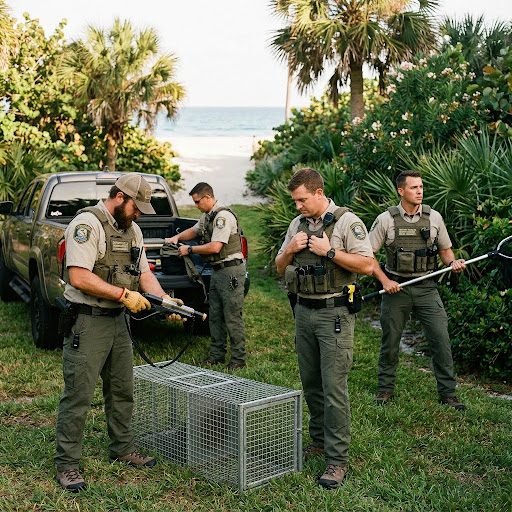
Palm Beach’s lush landscapes, waterfront properties, and warm climate make it a haven for more than just sun-seekers. Raccoons rummaging through trash cans, iguanas sunning themselves on pool decks, and the occasional alligator wandering into a backyard pond are just part of life here. While these encounters can be startling, they’re also a reminder of how closely human and wildlife habitats overlap in South Florida.
For homeowners, business owners, and property managers, knowing how to handle these situations safely and responsibly is essential. This post breaks down the most common wildlife issues Palm Beach residents face, why they happen, and what steps you can take to protect your property while respecting the animals that call this region home.
Why Wildlife Encounters Are So Common in Palm Beach
Palm Beach’s subtropical climate supports a rich variety of wildlife year-round. Unlike colder regions where animals hibernate or migrate seasonally, many species here remain active throughout the year, increasing the likelihood of encounters.
Rapid development has also pushed natural habitats closer to residential neighborhoods. Canals, golf courses, and manicured lawns often mimic the wetlands and green spaces animals naturally seek out, making suburban areas surprisingly attractive to local wildlife.
Add in the abundance of food sources, from unsecured garbage bins to fruit-bearing trees, and it’s easy to see why critters keep coming back.
The Most Common Wildlife Issues Homeowners Face
Raccoons and Opossums
These nocturnal visitors are notorious for raiding trash cans and finding their way into attics or crawl spaces. They’re intelligent, resourceful, and surprisingly strong, which makes DIY removal both difficult and risky.
Iguanas
Green iguanas have become a persistent presence throughout South Florida. They dig burrows that can undermine seawalls, sidewalks, and foundations, and they’re known to feast on landscaping plants.
Snakes
While most snakes in Palm Beach are harmless, distinguishing a venomous species from a non-venomous one isn’t always straightforward. This makes professional identification and removal the safest option.
Bats
Bats often roost in attics, soffits, or wall voids. Beyond the noise and odor they can create, bat droppings pose health risks if not handled properly.
Alligators
Though less frequent, alligator sightings near residential ponds or canals do happen. These encounters should always be treated with caution and reported to the appropriate wildlife authorities.
Why DIY Wildlife Removal Isn’t Recommended
It’s tempting to handle a raccoon in the attic or an iguana under the pool deck on your own. However, wildlife removal comes with real risks:
- Injury: Wild animals can bite, scratch, or carry diseases when they feel threatened.
- Legal issues: Florida has specific regulations regarding the trapping and relocation of certain species.
- Incomplete removal: Without sealing entry points or addressing the root cause, animals often return.
- Property damage: Improper handling can lead to further damage to insulation, wiring, or structural elements.
Professional wildlife control technicians are trained to assess the situation, use humane removal methods, and implement long-term solutions that prevent repeat visits.
How Professional Wildlife Control Protects Your Property
A thorough wildlife removal process goes beyond simply catching an animal. It typically includes:
- Inspection: Identifying entry points, nesting areas, and the extent of any damage.
- Humane removal: Safely capturing and relocating animals in compliance with local regulations.
- Exclusion: Sealing gaps, vents, or openings to prevent future intrusions.
- Sanitation: Cleaning and decontaminating affected areas, especially in cases involving bats or rodents.
- Prevention advice: Offering practical tips to make your property less appealing to wildlife going forward.
This comprehensive approach not only resolves the immediate issue but also reduces the likelihood of the same problem resurfacing.
Protecting Your Home Without Harming Local Wildlife
Palm Beach Wildlife Services provides homeowners with a reliable way to resolve unwanted animal encounters quickly and humanely, without compromising the safety of the animals or the surrounding ecosystem. Their team understands the unique wildlife challenges specific to South Florida, from iguana burrows weakening seawalls to raccoons nesting in attics during the warmer months.
Working with experienced local professionals means faster response times, accurate species identification, and solutions tailored to Palm Beach’s specific environment. Rather than treating symptoms, a knowledgeable team focuses on prevention, helping homeowners avoid recurring issues altogether.
Whether you’re dealing with a one-time visitor or an ongoing problem, having a trusted local resource on hand makes all the difference in keeping your property safe and animal-free.
Living Alongside Wildlife, the Smart Way
Palm Beach’s natural beauty comes with the occasional wild surprise, but that doesn’t mean you have to live with damage, noise, or safety concerns. Understanding why these encounters happen, and knowing when to call in a professional, can save you time, money, and stress in the long run.
If you’re noticing signs of wildlife activity around your property, don’t wait for the situation to escalate. Reach out to a trusted local expert who can assess the issue and offer a lasting solution suited to your home and the local environment.
