
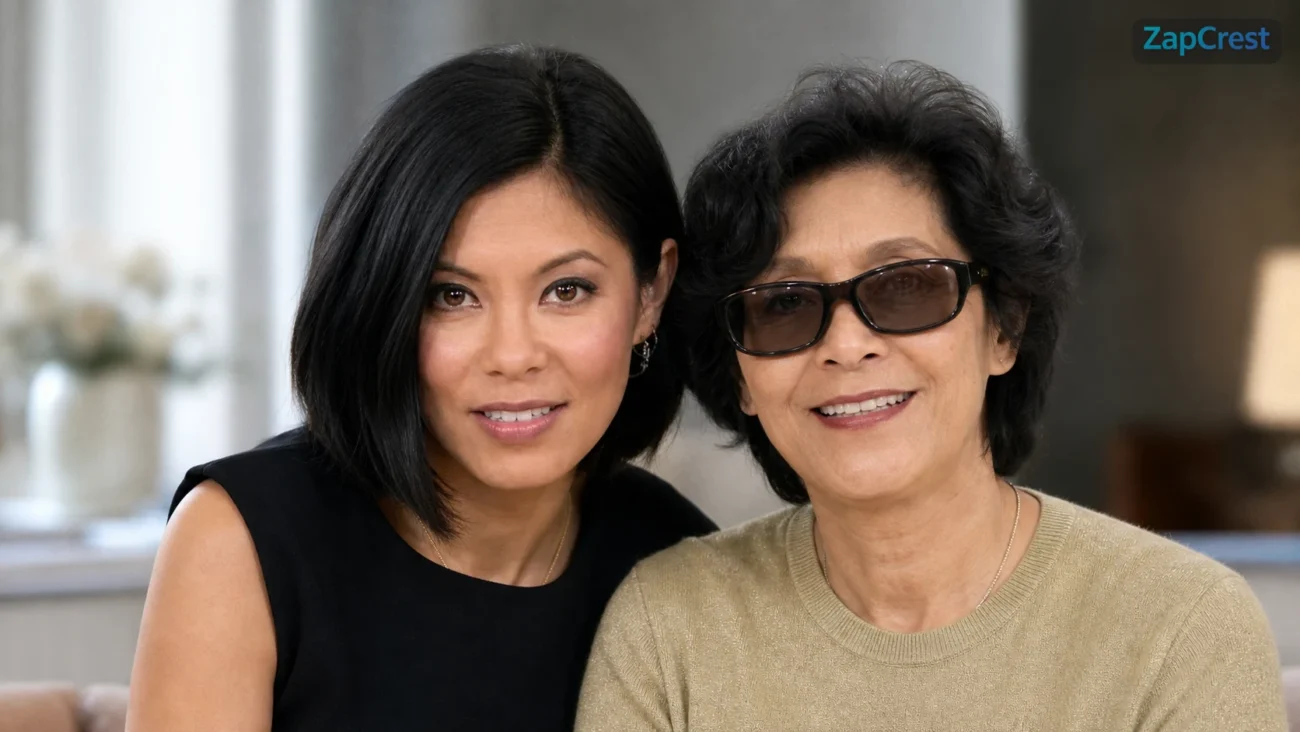
Tin Swe Thant is best known publicly as the mother of American journalist and author Alex Wagner. Born in or near Rangoon, Burma (now Yangon, Myanmar), she became a central figure in Wagner’s writing about ancestry, immigration, identity and belonging. Although Tin Swe Thant has largely lived outside the public spotlight, her life story has been documented through her daughter’s essays and memoir work, particularly Wagner’s book Futureface and her writing for The Atlantic.
Public information about Tin Swe Thant herself is limited. She is not a public figure with an extensively documented career or media profile, but the details that are available reveal a story shaped by migration, cultural change and the experience of carrying a Burmese identity into American life.
Growing up in Burma and the story behind the name “Maureen”
Tin Swe Thant was born in or just outside Rangoon during the final years of British colonial influence in Burma. According to Alex Wagner, her mother attended English-language schools where Western naming conventions shaped how students were identified.
Wagner wrote in The Atlantic in 2021 that her mother was not allowed to use her Burmese name at school and instead adopted the English name “Maureen.” The name was chosen by Tin Swe Thant’s father, U Thant Gyi, who selected it after actress Maureen O’Hara. For a period of her childhood, she was known as “Maureen Thant Gyi.”
Wagner has described this experience as part of a broader story about assimilation and the pressure placed on people from colonized societies to adapt to Western cultural expectations. The episode later became one of the personal histories Wagner explored while examining her own mixed heritage and questions of identity.
Despite the imposed school name, Tin Swe Thant eventually returned to using her Burmese name. Wagner noted that when her mother attended Swarthmore College, she enrolled under the name Tin Swe Thant rather than Maureen.
Moving to the United States and studying at Swarthmore
Tin Swe Thant moved to the United States in the late 1960s. She later attended Swarthmore College, where she studied political science.
Her transition from Burma to America became an important part of Alex Wagner’s understanding of family history. In The Atlantic, Wagner described her mother’s journey through migration and cultural adaptation as part of the larger story of how immigrant families negotiate identity across generations.
The available public record does not provide a full professional biography for Tin Swe Thant. Some archival records mention people with the same or similar name in education and nonprofit-related roles, but those records have not been conclusively linked to Alex Wagner’s mother and should not be treated as confirmed parts of her biography.
Marriage to Carl Wagner and raising Alex Wagner
Tin Swe Thant married Carl Wagner, a Democratic political strategist who worked in American politics. The couple later divorced.
According to The Cut, Alex Wagner is the only child of Tin Swe Thant and Carl Wagner. The profile also reported that the couple met through a national trade-union center before marrying.
Carl Wagner became known for his work as a political strategist, but Tin Swe Thant’s public story has largely centered on her family’s cultural background rather than her former husband’s political career.
Through Alex Wagner’s writing, Tin Swe Thant became an important part of a broader discussion about Burmese-American identity, immigration and the way family histories shape later generations.
How Tin Swe Thant influenced Alex Wagner’s exploration of identity
Tin Swe Thant’s greatest public significance comes through Alex Wagner’s examination of ancestry and belonging.
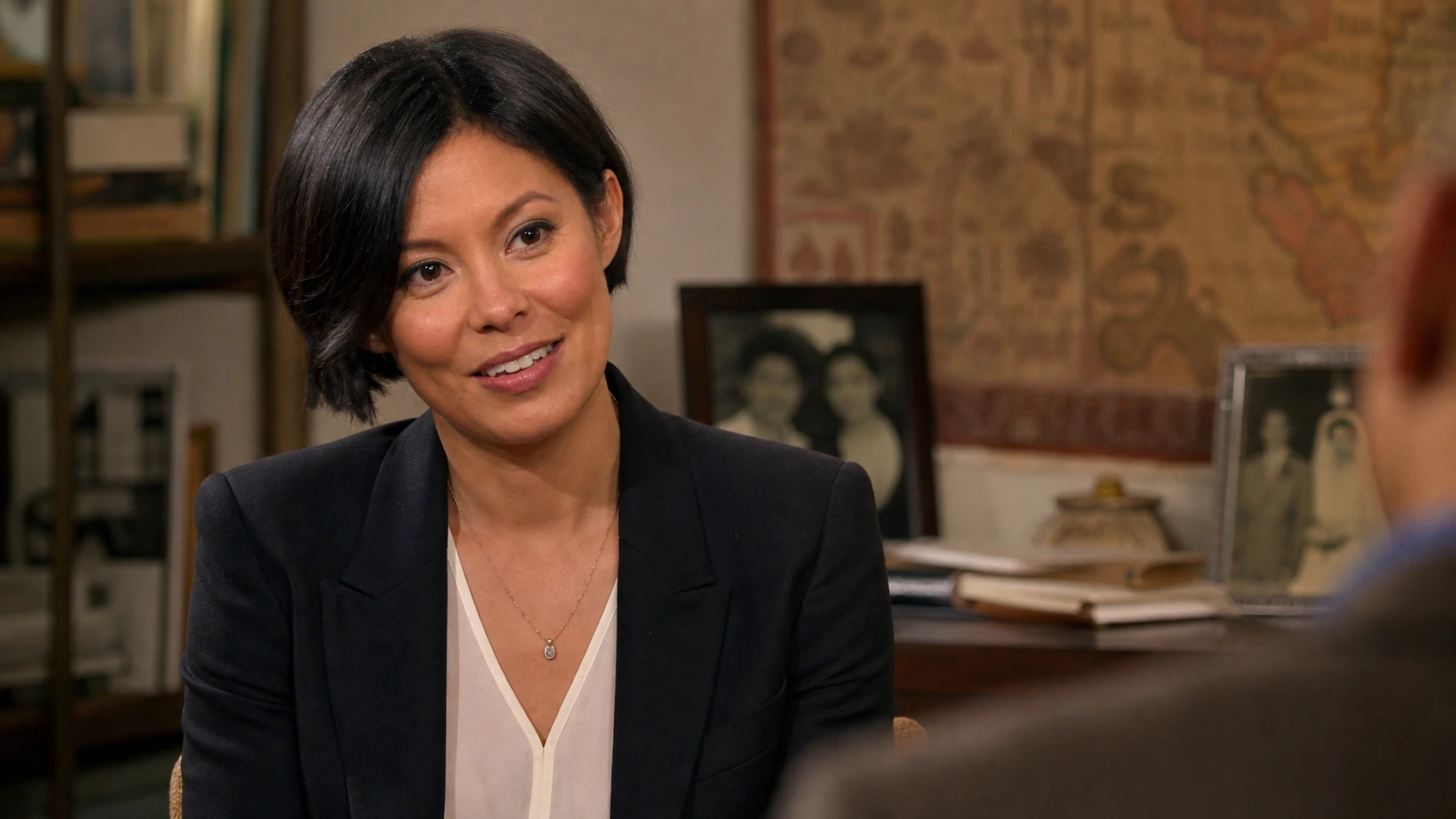
In her 2018 memoir Futureface, Wagner investigated her family background, including her Burmese heritage on her mother’s side. The book explored questions of race, nationality and identity through genealogical research and personal history.
Wagner has also written about Burma, including her family’s relationship with the country’s history and the challenges of remembering a homeland shaped by political upheaval. Her work has made Tin Swe Thant’s experiences relevant to wider conversations about migration and cultural memory.
One example of this continuing connection between generations came when Wagner wrote that her mother helped choose the Burmese middle name “Thiha” for Wagner’s second son. Wagner explained that the name means “lion,” reflecting the continuing presence of Burmese heritage within her own family.
What is known about Tin Swe Thant’s later life
Later details about Tin Swe Thant are relatively private. In 2021, Alex Wagner described her mother as retired and living in a small Long Island town. In 2022, The Cut reported that Wagner referred to her mother as being 78 years old.
No authoritative public source has established Tin Swe Thant’s exact birth date, current occupation or current residence as of 2026.
Wagner has also written about her mother’s experience during a period of increased concern over anti-Asian violence in the United States. According to The Cut, Wagner said her mother no longer felt as comfortable walking alone in her area because of those fears. Wagner also described her mother participating in a local Black Lives Matter protest in 2020.
These details provide limited glimpses into Tin Swe Thant’s later life, but they do not amount to a complete public biography. Much of what is known comes through Wagner’s perspective rather than through interviews or public statements from Tin Swe Thant herself.
The limits of the public record
Tin Swe Thant’s life has attracted interest because of her connection to a prominent journalist and because her personal history became part of Alex Wagner’s work on identity. However, many details commonly repeated online are not supported by strong evidence.
Her exact age, birthday, independent career history, finances and other private details have not been reliably established through authoritative sources. Records involving people with similar names should also be treated carefully, as there is no confirmed connection between Tin Swe Thant’s name and unrelated legal or professional records found elsewhere.
The strongest verified picture is of a Burmese-born woman who migrated to America, studied at Swarthmore College, raised Alex Wagner and became a key influence in her daughter’s exploration of heritage and belonging.
Final thoughts
Tin Swe Thant’s public story is not built around fame of her own, but around the lasting impact of her experiences. Her journey from Burma to the United States, her encounter with cultural assimilation through the changing of her name, and her role in Alex Wagner’s family history have made her an important figure in discussions of immigration, identity and Burmese-American heritage.
While much of her personal life remains private, the documented parts of her story show how one person’s migration experience can shape the way later generations understand who they are and where they come from.
