
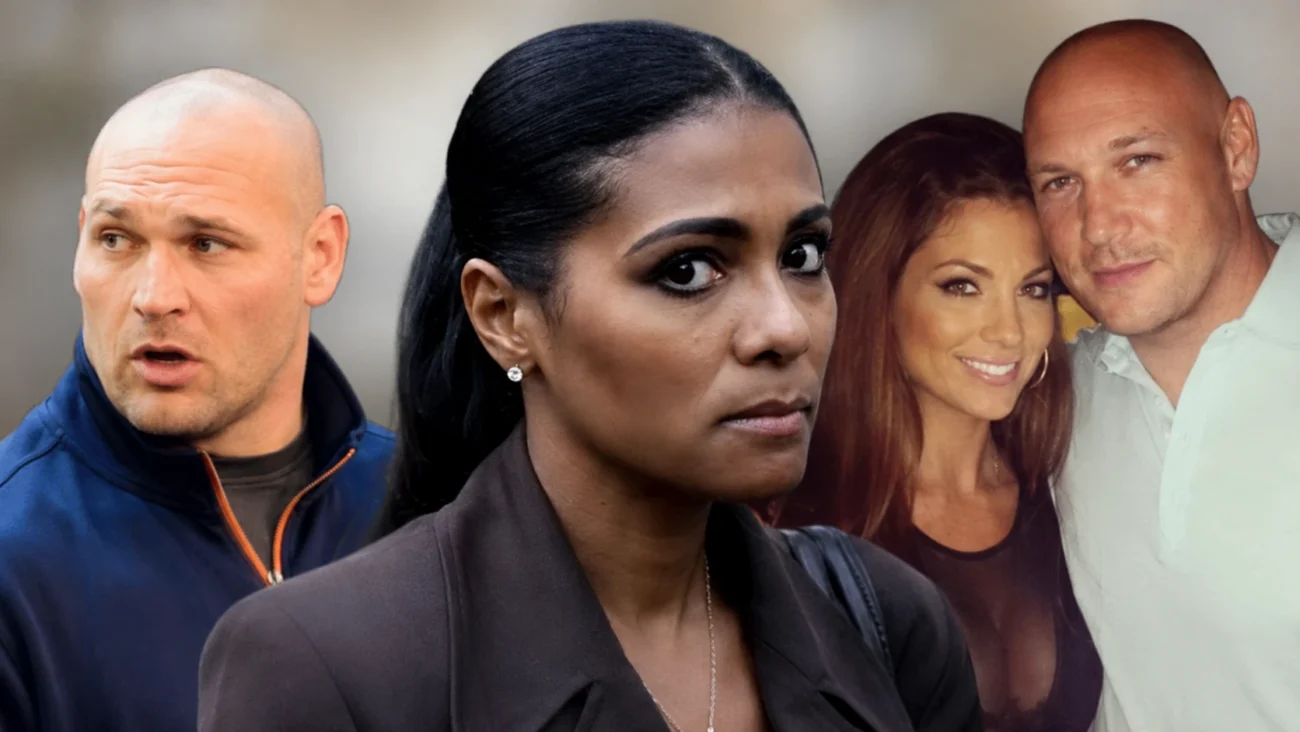
For years, Tyna Robertson’s name has surfaced in headlines tied to courtroom battles, celebrity controversy, and one of the NFL’s most recognizable defensive stars. Yet despite the media attention surrounding her, Robertson herself has remained largely outside the public spotlight, rarely giving interviews and almost never shaping the narrative around her own life. That contrast has made her a subject of continuing curiosity, especially among readers trying to separate fact from rumor.
Most people first encounter the name tyna robertson through stories involving former Chicago Bears linebacker Brian Urlacher, dancer Michael Flatley, or later reports connected to family court disputes and tragedy. But Robertson’s story is more layered than the sensational framing that often surrounded those headlines. Her life has unfolded through deeply personal legal conflicts that became public because of the fame of the people around her.
Over time, Robertson became known not only as the mother of Kennedy Urlacher but also as a woman connected to several widely reported legal cases that drew national attention. Some of those stories produced lasting public judgments against her. Others became tangled in speculation and media narratives that still follow her name online today.
Understanding Robertson requires careful distinction between verified court records, tabloid exaggeration, and the reality of living through intensely public family disputes. The public record reveals a complicated life marked by legal setbacks, painful personal events, and years of scrutiny that few private citizens ever experience.
Early Life and Background
Compared with many people linked to celebrity culture, very little verified information exists about Tyna Robertson’s childhood, upbringing, or education. Public records tied to court proceedings identify her as Tyna Marie Robertson, and later legal filings refer to her as Tyna Karageorge after her marriage to Ryan Karageorge. Beyond that, reliable details about her early family life remain limited.
That absence of information has often encouraged speculation online. Many biography-style websites publish unsupported claims about Robertson’s hometown, education, religion, or early ambitions, but most of those details trace back to recycled content rather than credible reporting. A more responsible approach is to acknowledge that much of her private background has never been publicly documented.
Before her name became associated with legal disputes and celebrity headlines, Robertson reportedly worked in real estate. Older reporting connected to the Michael Flatley case referred to her as a real estate agent living in the Chicago area. Those descriptions appeared in multiple mainstream news reports during the mid-2000s, though later public coverage focused almost entirely on her legal conflicts rather than her professional life.
The truth is, Robertson entered public awareness not because she pursued fame herself but because her relationships and court cases placed her near people who already commanded media attention. Once that happened, her private life became part of a public conversation she did not fully control.
Relationship With Brian Urlacher
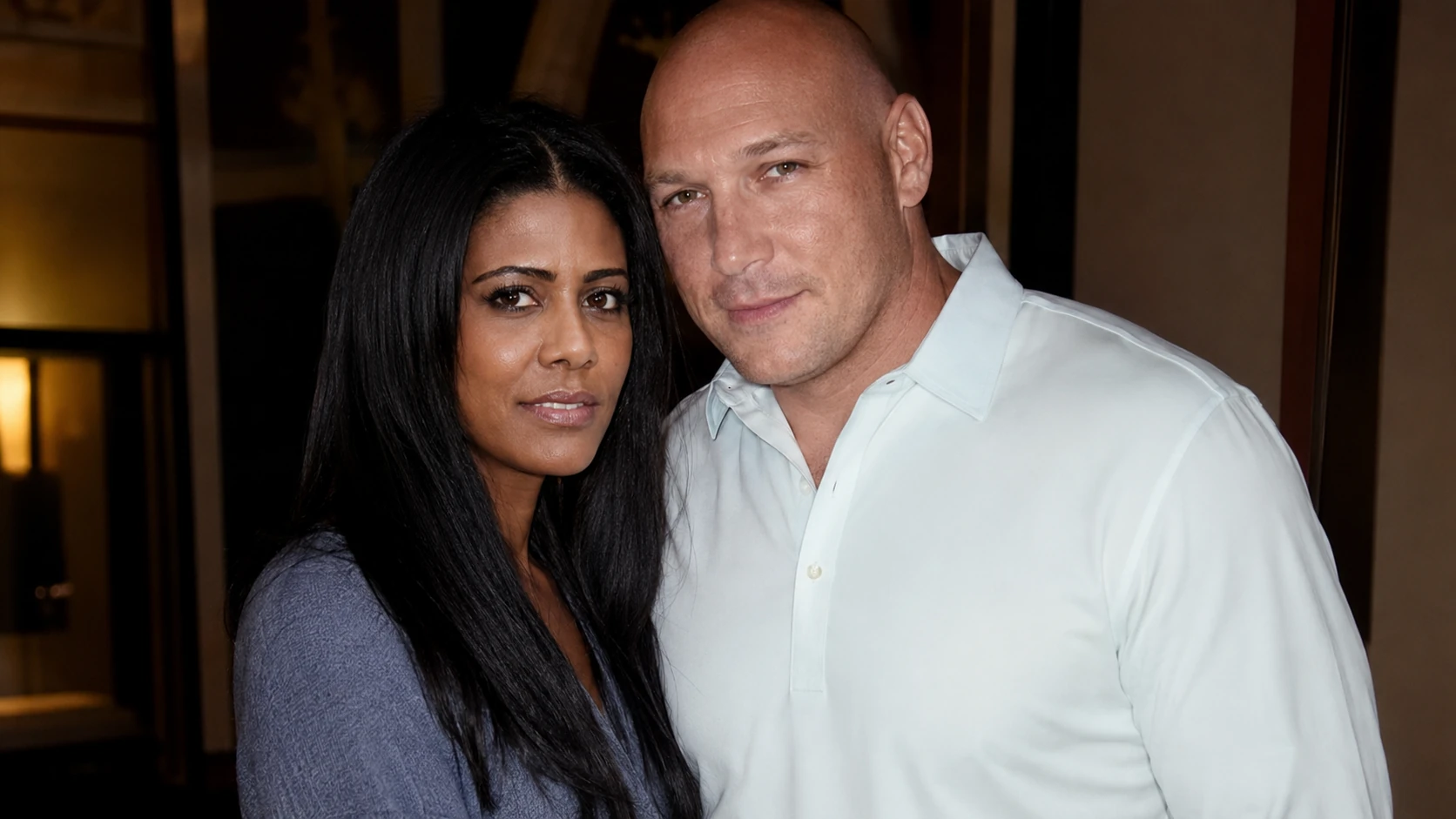 Tyna Robertson became widely known through her relationship with former NFL star Brian Urlacher. Urlacher spent his entire professional career with the Chicago Bears and became one of the most recognizable linebackers of his generation. By the mid-2000s, he was already an NFL Defensive Player of the Year, a perennial Pro Bowl selection, and one of Chicago sports’ defining figures.
Robertson and Urlacher had a son together, Kennedy Lee Urlacher, born in May 2005. Public reports from the time indicate that their relationship had already deteriorated by the period surrounding Kennedy’s birth. Their disagreements soon moved into family court, where paternity, visitation, and custody became central issues.
The early legal battle between Robertson and Urlacher received far more attention than most family disputes because of Urlacher’s celebrity status. In ordinary circumstances, such matters remain largely private. But sports media and Chicago tabloids followed the case closely, often framing it as another chapter in the personal life of a football icon rather than a sensitive co-parenting situation involving two real people.
Court records and reporting from that period show that Urlacher sought formal recognition of paternity and visitation rights. DNA testing reportedly confirmed that Kennedy was his son, and later court proceedings focused on parenting arrangements. News coverage in 2007 described continuing disputes over visitation schedules and co-parenting responsibilities.
At one point, a judge ordered both Robertson and Urlacher to attend parenting classes while their custody disagreements continued. The ruling reflected a common family-court effort to reduce conflict and improve communication between parents. But because Urlacher was a household name in Chicago, the dispute generated headlines that extended far beyond local legal reporting.
Becoming the Mother of Kennedy Urlacher
Although public attention often centered on Brian Urlacher, Kennedy eventually became an important figure in Robertson’s story in his own right. As Kennedy grew older, he emerged as a standout football prospect, first in Arizona high school football and later at the college level.
Robertson remained connected to public conversation largely because she was Kennedy’s mother. Throughout his childhood, she was deeply involved in his upbringing, even as custody arrangements shifted over time. Public reporting suggests Kennedy spent substantial periods with both parents during different stages of his life.
What’s surprising is how quickly Kennedy developed into a nationally recognized football recruit. By high school, he was already drawing comparisons to his famous father because of his athletic ability and defensive instincts. Recruiting analysts and sports reporters regularly mentioned his family background, which inevitably renewed public interest in Robertson.
Kennedy eventually committed to Notre Dame before later transferring to the University of Southern California. As his football career continued to grow, many online searches about Robertson became tied less to old legal controversies and more to curiosity about Kennedy’s family history.
That shift matters because it changed how people encountered her name. Instead of appearing only in discussions of lawsuits and disputes, Robertson became linked to the story of a new generation of football talent trying to build its own identity.
The Michael Flatley Lawsuit
One of the most controversial chapters in Robertson’s public life involved internationally known dancer Michael Flatley, best known for “Riverdance” and “Lord of the Dance.” The dispute began after Robertson accused Flatley of sexually assaulting her during an encounter in Las Vegas in 2002.
Flatley strongly denied the accusation and maintained that the encounter had been consensual. Law enforcement authorities did not file criminal charges in connection with the allegation. Robertson later pursued civil legal action, but the dispute evolved into one of the most public celebrity legal battles of the era.
The case took a dramatic turn when Flatley filed lawsuits accusing Robertson and her attorney, D. Dean Mauro, of extortion, defamation, and fraud. Flatley’s legal team argued that Robertson’s claims were part of an effort to obtain money through threats of public scandal.
The litigation became especially significant because of a California Supreme Court ruling connected to the case. The court determined that communications from Robertson’s attorney constituted extortion as a matter of law and were not protected legal negotiation. The ruling attracted widespread legal attention because it addressed the boundaries between settlement demands and unlawful coercion.
In 2007, a Los Angeles judge ordered Robertson to pay more than $11 million to Flatley after finding she had defamed him and caused emotional distress. The judgment became one of the most damaging public outcomes of Robertson’s legal history and remains heavily associated with her name today.
Still, the case remains emotionally charged and difficult to discuss cleanly. Sexual-assault allegations, celebrity influence, media spectacle, and aggressive legal tactics all collided in ways that made the story deeply polarizing. The court rulings ultimately favored Flatley, but the public conversation around the case continued long afterward.
Marriage to Ryan Karageorge
Years after the Flatley litigation, Robertson married Ryan Karageorge. Public reporting indicates the couple married in 2016, and Robertson later became known publicly as Tyna Karageorge in some court records and news coverage.
Compared with the earlier celebrity disputes connected to her life, this period appeared quieter from the outside. Ryan Karageorge entered the public record primarily because he became Kennedy Urlacher’s stepfather during a time when Robertson and Brian Urlacher were still navigating custody arrangements.
Friends and acquaintances quoted in local coverage after Karageorge’s death described him as a businessman and family man. Yet much of the public understanding of him became overshadowed by the tragic circumstances surrounding his final days.
For Robertson, the marriage represented a new chapter that quickly became another source of intense public scrutiny. Within months of their wedding, tragedy struck in a way that reshaped her public image once again.
The Death of Ryan Karageorge
On December 29, 2016, Ryan Karageorge died from a gunshot wound at the home he shared with Robertson in Willow Springs, Illinois. The death immediately triggered media attention because of Robertson’s connection to Brian Urlacher and the ongoing custody arrangements involving Kennedy.
In the days following the shooting, uncertainty surrounding the circumstances fueled speculation and public suspicion. Reports indicated that Brian Urlacher filed an emergency motion seeking temporary custody of Kennedy, citing concern over the environment surrounding the death.
The case quickly became a major story in Chicago sports and local news media. Headlines frequently connected Robertson’s name to words like “mystery,” “custody fight,” and “investigation,” creating a public atmosphere that many observers later described as emotionally charged and unfairly speculative.
Several months later, the Cook County medical examiner ruled Ryan Karageorge’s death a suicide. Local police closed the investigation afterward. Robertson publicly denied allegations and implications that she had done anything wrong and pushed back strongly against the narrative developing around her.
But here’s the thing. By that stage, public perception had already hardened in some corners of the media and online commentary. Even after the official ruling, Robertson continued facing suspicion from people who followed the case through headlines rather than through verified findings.
Custody Battles and Public Fallout
The period following Karageorge’s death marked the most publicly intense chapter of Robertson’s life. Brian Urlacher received temporary custody of Kennedy during the aftermath of the tragedy, and court proceedings surrounding the custody dispute generated national coverage.
Family court disputes are often painful under ordinary circumstances. In Robertson’s case, the conflict unfolded under heavy public scrutiny because of Urlacher’s fame and the dramatic circumstances surrounding the shooting death.
Robertson later filed lawsuits claiming that she had been unfairly portrayed as responsible for Karageorge’s death. In 2018, she filed a massive lawsuit against Urlacher and several others, alleging they conspired to damage her reputation and influence custody proceedings by portraying her as a murderer despite the suicide ruling.
The lawsuit drew enormous media attention because of both the accusations and the size of the financial claim. Urlacher’s legal team strongly denied the allegations, and the litigation became another public battle attached to Robertson’s name.
Federal court records tied to later proceedings show that some of Robertson’s claims were rejected and that sanctions were imposed in one case involving unsupported allegations against a defendant connected to the custody litigation. Those rulings further complicated public perception of her credibility.
At the same time, Robertson’s supporters argued that she had become trapped inside a media narrative shaped by celebrity power, legal aggression, and years of sensational coverage. That tension between court outcomes and public sympathy continues to define how many people interpret her story.
Life Away From the Spotlight
Despite years of public attention, Robertson has largely remained outside mainstream celebrity culture. She has not built a media career, reality television presence, or public-facing brand around the controversies tied to her life. Compared with many people drawn into high-profile disputes, she has remained relatively private.
There is limited reliable information about her current professional work, residence, or financial status. Many online biographies publish speculative net worth figures, but those estimates are not supported by verified public financial disclosures. Any claims regarding her wealth should therefore be treated cautiously.
Not many people know this, but Robertson’s public footprint today is actually much smaller than it was during the height of the legal battles surrounding Urlacher and Flatley. Much of the continuing search interest in her name comes from archived news stories, legal summaries, and curiosity surrounding Kennedy Urlacher’s football career.
That reduced visibility has also made it harder to separate present reality from old internet narratives. Search engines frequently surface articles from years ago without clearly signaling how dated or incomplete they may be.
Public Image and Media Perception
Tyna Robertson occupies a difficult space in public memory. She is known widely enough to remain searchable, yet much of what people think they know about her comes from conflict-driven reporting rather than direct public engagement.
Media framing had a major effect on how Robertson was perceived. During the Flatley litigation, she was often portrayed through the lens of celebrity scandal. During the custody disputes involving Urlacher, she became associated with courtroom drama and suspicion tied to tragedy.
The truth is, public narratives built around lawsuits often flatten people into symbols. One side becomes sympathetic, the other becomes controversial, and the deeper realities of private relationships disappear behind legal headlines. Robertson’s story reflects that dynamic repeatedly.
There’s also a gendered dimension to how her public image evolved. Women involved in celebrity legal disputes are often judged not only on court outcomes but also on tone, appearance, and perceived motive in ways that male public figures frequently are not. That reality shaped coverage of Robertson throughout multiple stages of her public life.
Kennedy Urlacher’s Rise and Renewed Interest
As Kennedy Urlacher’s football profile has risen, interest in Robertson has followed. Kennedy’s transition from Arizona high school football to major college programs placed his family background back into public discussion.
Sports reporters frequently describe Kennedy as the son of Brian Urlacher, but many fans searching for more information about him also discover Robertson’s role in his upbringing. That has introduced her name to a younger generation of readers who were too young to remember the original court battles and tabloid coverage.
Kennedy’s development as a defensive back has generated genuine excitement among football fans. Coaches and analysts have praised his instincts, athleticism, and versatility, while also cautioning against reducing him to comparisons with his Hall of Fame father.
For Robertson, Kennedy’s success represents something different from the headlines that defined earlier periods of her life. His career reflects continuity, growth, and the movement of time away from years dominated by litigation and public conflict.
Where Tyna Robertson Is Now
Reliable information about Robertson’s current daily life remains limited. She has not maintained a major public social-media presence, nor has she pursued public interviews aimed at reshaping her image. As a result, much of what is known about her recent years comes indirectly through ongoing interest in Kennedy Urlacher.
Some older legal and media narratives continue circulating online, often without context or updates. That persistence can create the impression that Robertson remains at the center of controversy today, even though her visible public activity appears far more limited than it was in previous decades.
What remains clear is that Robertson’s life has been shaped heavily by public scrutiny she did not entirely seek. Her story became attached to celebrity, sports fame, tragedy, and courtroom conflict in ways that permanently altered her public identity.
At the same time, she remains a figure whose story is often told by others rather than by herself. That reality leaves many unanswered questions, but it also serves as a reminder that public records never fully capture a person’s private life.
Frequently Asked Questions
Who is Tyna Robertson?
Tyna Robertson is best known as the mother of Kennedy Urlacher and a former partner of NFL Hall of Famer Brian Urlacher. She also became widely known through several highly publicized legal disputes involving Michael Flatley and later custody-related court battles connected to her family life.
Is Tyna Robertson married?
Robertson married Ryan Karageorge in 2016. Following the marriage, some public records referred to her as Tyna Karageorge. Ryan Karageorge died later that same year from a gunshot wound that was officially ruled a suicide by the medical examiner.
Does Tyna Robertson have children?
Yes. Robertson is the mother of Kennedy Urlacher, who has become a nationally known college football player. Kennedy first attended Notre Dame before transferring to USC, where he continued his football career as a defensive back.
What happened between Tyna Robertson and Michael Flatley?
Robertson accused dancer Michael Flatley of sexual assault in connection with an alleged incident in Las Vegas. Flatley denied the allegation, and criminal charges were never filed. Later court rulings favored Flatley in related civil litigation, including a judgment ordering Robertson to pay damages.
Why was Tyna Robertson in court with Brian Urlacher?
Robertson and Brian Urlacher were involved in several custody and visitation disputes involving their son Kennedy. The most public phase of the conflict occurred after the death of Ryan Karageorge in 2016, when Urlacher sought and received temporary custody of Kennedy.
What is Tyna Robertson doing now?
There is very little verified public information about Robertson’s current private or professional life. Recent search interest in her name is often connected to Kennedy Urlacher’s football career and older legal stories that continue circulating online.
Conclusion
Tyna Robertson’s public story has never followed the typical arc of celebrity culture. She did not become famous through entertainment, business, or sports achievement. Instead, her name entered public conversation through relationships, lawsuits, custody disputes, and deeply personal tragedy.
Over the years, those events created a public image shaped largely by courtroom narratives and media framing. Some legal outcomes damaged her credibility in the eyes of many observers, while others fueled debate about how aggressively private lives should be scrutinized once celebrity becomes involved.
What remains striking is how little of Robertson’s ordinary life ever became visible beneath the headlines. The public learned about conflict, allegations, and legal judgments, but far less about the day-to-day reality of raising a child, enduring public suspicion, or trying to move beyond years of media attention.
Today, her name remains tied to an unusual mix of sports history, legal controversy, and family legacy. Yet as Kennedy Urlacher continues building his own path in football, the story surrounding Tyna Robertson may gradually become less about old headlines and more about the complicated human reality behind them.
