
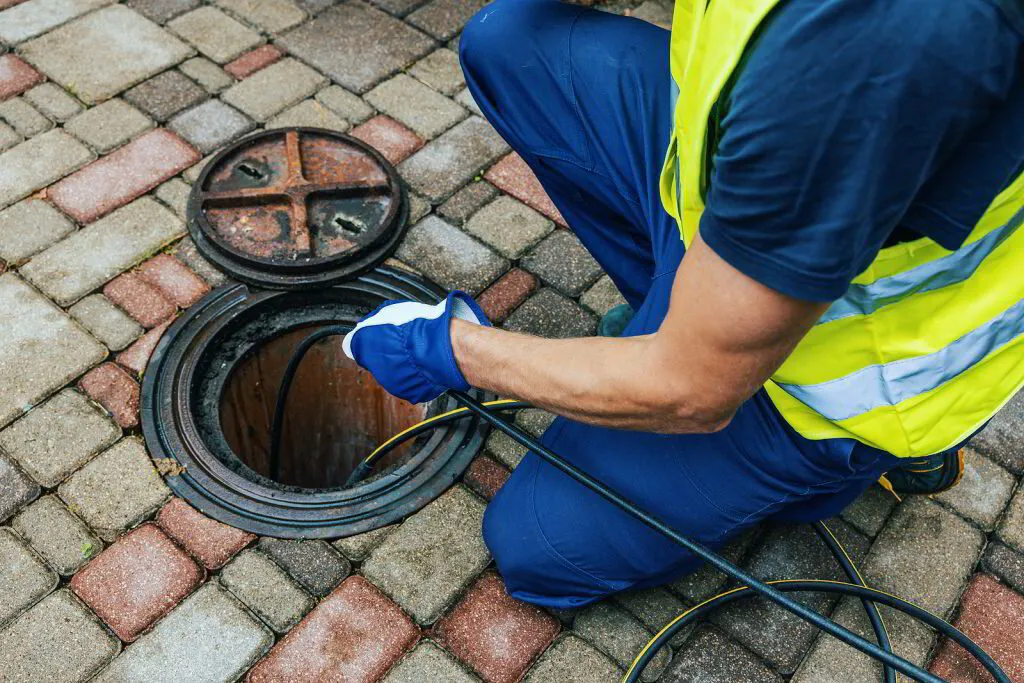
A properly functioning drainage system plays a major role in maintaining a safe, clean, and comfortable environment. Among the most important components of any property’s plumbing infrastructure is the underground drainage network that carries wastewater away from homes and buildings. When this system works efficiently, most people rarely think about it, but problems can quickly become disruptive when blockages, damage, or aging materials begin to affect performance. Understanding how these systems operate, why maintenance matters, and what repair options are available can help property owners prevent expensive damage and maintain reliable wastewater management.The underground pipes responsible for transporting wastewater require regular attention because they are constantly exposed to moisture, pressure, and changing ground conditions. Over time, these factors can contribute to cracks, corrosion, root intrusion, and other issues that reduce efficiency. A damaged sewer line can create unpleasant odors, slow drainage, backups, and even structural problems if wastewater begins leaking into surrounding areas. Early detection and professional evaluation are essential for avoiding major complications and ensuring the system continues to function properly.
The Role of Wastewater Systems in Modern Properties
Wastewater systems are designed to safely move used water and waste materials away from residential and commercial structures. These systems connect internal plumbing fixtures to underground networks that transport waste toward treatment facilities or approved disposal areas. Without an effective drainage system, buildings would experience sanitation problems, unpleasant conditions, and increased risks of property damage. A reliable wastewater network supports public health by reducing exposure to harmful contaminants and preventing untreated waste from affecting the surrounding environment.Many people do not realize how complex these systems are because most of their components remain hidden beneath the ground. Engineers and plumbing professionals carefully design pipe layouts to ensure proper flow, prevent pressure buildup, and minimize the chances of failure. Factors such as pipe size, slope, material quality, and soil conditions all influence how well the system performs over time. Regular inspections allow professionals to identify weaknesses before they develop into serious problems requiring extensive repairs.
Common Causes of Damage and Failure
Several factors can contribute to wastewater system problems, and many issues develop gradually rather than appearing suddenly. One of the most common causes is the natural aging of underground pipes. Older materials may become weaker over time due to constant exposure to water, chemicals, and environmental pressure. Small cracks can expand into larger breaks, allowing leaks to occur and reducing the overall efficiency of the system.Tree roots are another major concern because they naturally seek moisture sources underground. When roots grow near pipes, they may enter through small openings and continue expanding inside the pipe structure. This can create blockages that restrict wastewater flow and increase pressure within the system. A professional inspection of the sewer line can help identify root-related issues and determine whether cleaning, repair, or replacement is the most suitable solution.Ground movement can also affect underground plumbing networks. Soil shifting, heavy construction activity, and natural settling may place stress on buried pipes, causing misalignment or fractures. In addition, improper installation practices can lead to drainage problems that appear years later. Addressing these concerns early can prevent repeated backups, costly excavation, and unnecessary disruption to the property.
Signs That Indicate a Potential Problem
Recognizing warning signs is one of the best ways to prevent major drainage failures. Slow drains throughout a property may indicate that wastewater is not moving freely through the underground system. While a single clogged sink may be caused by a local blockage, multiple slow drains often suggest a larger issue that requires professional assessment. Ignoring these signs can allow minor problems to become severe and expensive.Unusual smells are another important indicator of possible damage. Strong sewage odors around a property may suggest leaks, cracks, or ventilation problems within the drainage network. Water pooling in unusual areas, especially near underground pipe routes, can also signal that wastewater is escaping before reaching its intended destination. These warning signs should not be overlooked because they may point to hidden damage beneath the surface.Frequent backups are among the most serious symptoms of a failing system. When wastewater cannot move properly through the pipes, it may return through drains and create unsanitary conditions. Professional evaluation of the sewer line can determine the cause of recurring backups and help develop an effective repair plan. Timely action reduces health risks and protects the property from additional damage.
Importance of Regular Inspection and Maintenance
Preventive maintenance is one of the most effective ways to extend the lifespan of underground drainage systems. Routine inspections allow professionals to monitor pipe conditions, locate developing problems, and recommend solutions before emergencies occur. Modern inspection methods use advanced equipment that provides detailed information without immediately requiring large-scale digging or disruption.Regular cleaning can also help maintain proper flow by removing buildup, debris, and materials that contribute to blockages. Although many homeowners focus on visible plumbing fixtures, underground systems require equal attention because hidden issues can create significant challenges. A maintenance schedule based on the age and condition of the system can help property owners avoid unexpected failures.Investing in maintenance is usually more affordable than dealing with major repairs after severe damage occurs. Small issues discovered during inspections can often be corrected quickly, while neglected problems may require extensive replacement work. Protecting the sewer line through professional care helps preserve property value and ensures a dependable wastewater system for years.
Modern Repair and Replacement Methods
Advancements in plumbing technology have introduced improved methods for repairing underground drainage systems. Traditional repairs often required extensive excavation, which could damage landscaping, driveways, and other areas of a property. Today, many professionals use less invasive techniques that reduce disruption while still providing long-lasting results. These modern approaches allow damaged sections to be repaired more efficiently.Camera inspections are commonly used to locate cracks, blockages, and structural problems inside underground pipes. A small camera inserted into the system provides real-time images, helping technicians understand the exact condition of the pipes. This information allows for more accurate decisions and prevents unnecessary work. Instead of guessing where a problem exists, professionals can target the affected area directly.Trenchless repair methods have also changed how many underground pipe problems are handled. These techniques can restore damaged sections without requiring large open trenches across the property. Depending on the severity of the issue, repairs may involve lining existing pipes or replacing damaged sections through smaller access points. These solutions can save time, reduce inconvenience, and provide durable results.
Choosing the Right Professional Support
Selecting experienced professionals is important when dealing with underground drainage problems. Proper diagnosis requires knowledge, specialized tools, and an understanding of different pipe materials and repair techniques. A qualified technician can evaluate the condition of the system, explain available options, and recommend solutions based on the specific situation.Before starting any repair work, property owners should ask about inspection procedures, repair methods, and expected outcomes. Clear communication helps ensure that everyone understands the scope of the project and the steps involved. Professional guidance can also help prevent unnecessary expenses by identifying the most practical solution rather than focusing only on temporary fixes.Reliable service providers prioritize safety, quality workmanship, and long-term performance. Whether the issue involves minor maintenance or major replacement, experienced professionals can help restore proper function and reduce the chances of future problems. A well-maintained sewer line contributes to a healthier environment and protects the overall integrity of the property.
Long-Term Benefits of Proper Care
Taking care of underground wastewater systems provides several long-term advantages. A properly maintained system reduces the risk of sudden failures, protects surrounding structures, and supports better sanitation. Preventive attention also helps property owners manage expenses by reducing the need for emergency repairs caused by neglected issues.A reliable drainage network improves daily comfort because residents and building occupants can use plumbing systems without worrying about backups or unpleasant odors. It also helps maintain property value because functional infrastructure is an important part of any building’s overall condition. Buyers and inspectors often consider underground systems when evaluating long-term maintenance needs.Environmental protection is another important benefit of proper wastewater management. Damaged pipes can allow untreated waste to enter soil and water sources, creating contamination risks. Maintaining the system properly helps prevent leaks and ensures wastewater is transported safely. Responsible care of underground plumbing supports both property protection and environmental responsibility.
Conclusion
Underground wastewater systems are essential parts of modern properties, even though they remain mostly out of sight. Understanding how these systems work, recognizing warning signs, and investing in regular maintenance can prevent serious problems and expensive repairs. From inspections and cleaning to advanced repair methods, professional solutions help maintain efficient wastewater transportation and protect property owners from unexpected challenges.A well-maintained sewer line provides reliability, safety, and long-term value. By addressing problems early and choosing appropriate repair strategies, property owners can extend the life of their drainage infrastructure and avoid unnecessary disruption. Proper care today creates a stronger, cleaner, and more dependable system for the future.
