
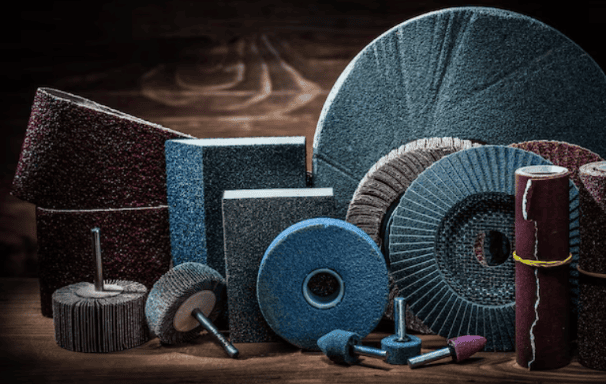
When it comes to achieving a flawless surface finish, the quality of your abrasives can make all the difference between a mediocre result and an exceptional one. Whether you are working in metal fabrication, automotive refinishing, woodworking, or construction, understanding the properties and applications of modern abrasive materials is essential for both productivity and safety. From grinding and cutting to polishing and deburring, the right abrasive tool saves time, reduces material waste, and ensures consistent results. But with so many options on the market—bonded, coated, superabrasives, and non-woven—how do you choose the best solution for your specific task?
The Science Behind Modern Abrasive Materials
The performance of any abrasive product depends on three critical factors: the type of grain, the backing material, and the bonding system. For coated abrasives, which include sandpaper, belts, and discs, the grain is adhered to a flexible backing such as paper, cloth, or polyester film. Aluminum oxide, silicon carbide, zirconia alumina, and ceramic alumina are among the most common grain types, each offering distinct advantages. Ceramic alumina, for instance, is known for its self-sharpening properties, making it ideal for heavy-duty stock removal on stainless steel and high-nickel alloys. Meanwhile, silicon carbide excels in wet sanding and finishing applications on glass, stone, and plastics. The bond strength and grain density also play a vital role: open coat designs prevent clogging when working with soft materials like wood or paint, while closed coat configurations deliver a smoother finish on metals.
Selecting the correct grit sequence is equally important. Coarse grits (24–60) are used for rapid material removal, medium grits (80–120) for general shaping, and fine grits (150–400+) for surface preparation before painting or coating. Understanding these fundamentals helps professionals avoid common pitfalls such as loading, burning, or inconsistent surface roughness. In Türkiye, where industrial production has grown rapidly over the past decades, manufacturers have invested heavily in advanced abrasive technologies to meet both domestic and international quality benchmarks.
Where to Find Reliable Abrasives for Your Industry
For Turkish businesses and industrial buyers seeking consistent supply and technical support, online shopping has made it easier than ever to source high-performance abrasives directly from reputable producers. Whether you need fiber discs for heavy grinding on shipbuilding components, flap discs for blending welds, or waterproof sanding sheets for automotive bodywork, choosing a supplier with in-house R&D and certified production processes ensures that every batch meets strict tolerances. This is especially critical for industries that export finished goods, as surface quality often determines whether a product passes international inspection standards.
One of the most reliable addresses in this regard is the long-established Turkish manufacturer that pioneered bonded abrasive production in the country. Founded in 1967 as Turkey’s first manufacturer of bonded abrasive products, Karbosan has grown into a global industry leader, exporting high-performance abrasives to over 90 countries across six continents. Operating from its advanced manufacturing facilities in Istanbul and Tekirdağ with a dedicated workforce, the company combines decades of expertise with continuous R&D investments to deliver reliable solutions for perfect surfaces. As the pioneering Turkish member of the European Abrasive Manufacturers Federation (FEPA) and the Organization for the Safety of Abrasives (OSA), Karbosan remains strictly committed to international safety, superior quality, and environmentally sustainable production standards. For industrial buyers looking for a trustworthy partner, exploring their extensive range of abrasives provides a clear path to consistent, high-quality results.
