
Italy has a particular talent for making travelers feel that ten days are both plenty of time and nowhere near enough. Rome alone can fill a week. Florence rewards slow wandering. Venice seems designed for getting deliberately lost, while Tuscany, Milan, Lake Como and dozens of smaller towns keep tempting you to add “just one more stop.”
That is why a good Italy travel itinerary for 10 days should not try to cover the entire country. The goal is to create a logical route that gives you time to experience each destination without spending half the holiday checking into hotels.
Transport planning matters just as much as deciding what to see. Trains are often the easiest option between major cities, while airport arrivals, early departures and destinations outside the rail network may be simpler with a private transfer. Travelers comparing ground transportation options can use Taxi Moments Italy when planning transfers in advance, particularly when traveling with luggage, children or a group.
Here is a realistic first-time itinerary that combines famous landmarks, local culture, great food and enough breathing room to actually enjoy Italy.
Italy in 10 Days: The Route at a Glance
A classic northbound route works particularly well because several of Italy’s best-known cities can be connected without repeatedly backtracking.
| Day | Destination | Main Focus | Overnight |
|---|---|---|---|
| 1 | Rome | Arrival and historic center | Rome |
| 2 | Rome | Ancient Rome | Rome |
| 3 | Rome | Vatican and neighborhoods | Rome |
| 4 | Florence | Train north and Renaissance center | Florence |
| 5 | Florence | Art, markets and viewpoints | Florence |
| 6 | Tuscany | Countryside day trip | Florence |
| 7 | Venice | Travel and first walk through Venice | Venice |
| 8 | Venice | Islands, canals and local districts | Venice |
| 9 | Milan | Architecture, shopping and culture | Milan |
| 10 | Milan / Lake Como | Final sightseeing or day trip | Milan / Departure |
This itinerary is intentionally straightforward. Rather than changing hotels every night, you use four main bases: Rome, Florence, Venice and Milan.
The best 10-day Italy itinerary is not the one that visits the most places. It is the one that gives you enough time to remember them.
Days 1–3: Start in Rome
For a first visit to Italy, Rome is difficult to beat as a starting point. It immediately introduces you to the layers that make the country so fascinating: Roman ruins, Renaissance palaces, Baroque fountains, tiny neighborhood cafés and modern city life all exist within walking distance of one another.
Day 1: Arrive and Keep It Simple
Do not plan your biggest attractions for arrival day. Flights get delayed, immigration can take time, and crossing the city with luggage is rarely the most enjoyable introduction to a holiday.
After checking in, explore central Rome on foot. A relaxed route could include:
- Piazza Navona
- The Pantheon
- Trevi Fountain
- Spanish Steps
- Via del Corso
- A traditional Roman dinner
The important part is resisting the temptation to schedule every hour.
If you arrive after a long overnight flight, even a two-hour walk followed by dinner is enough.
Day 2: Ancient Rome
Your second day is the right time for Rome’s archaeological highlights.
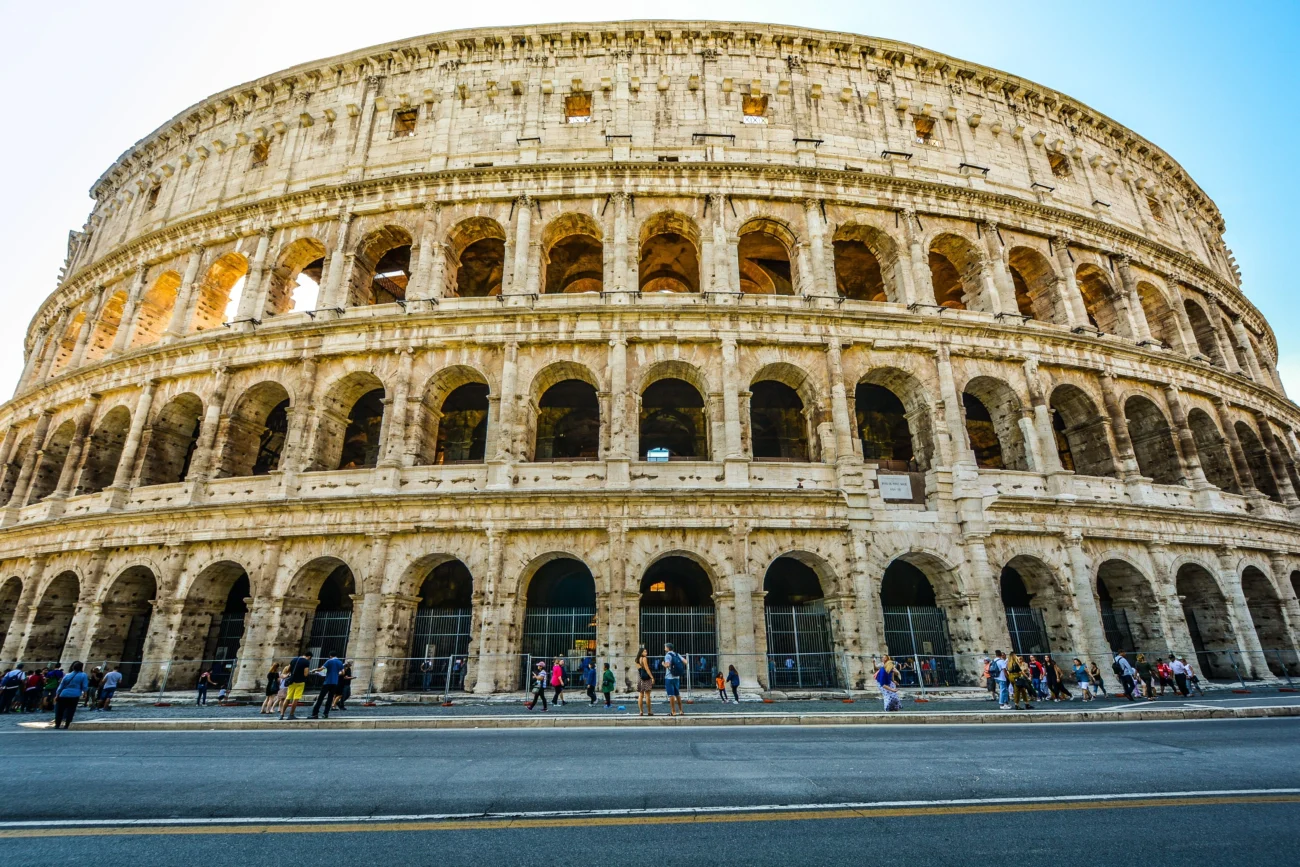
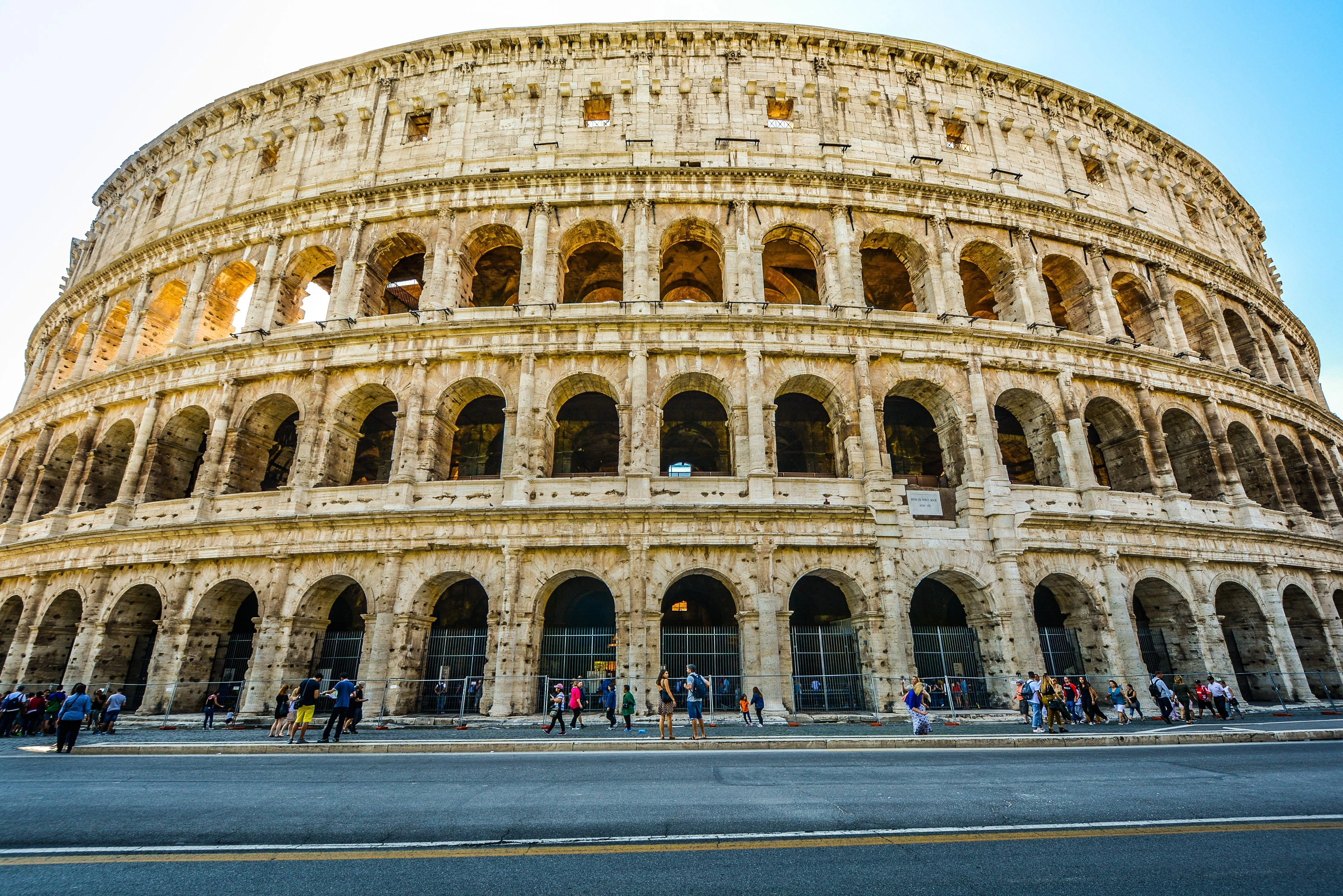
Start around the Colosseum before exploring the Roman Forum and Palatine Hill. These sites make much more sense when experienced together because they were all part of the political and social heart of ancient Rome.
Later, leave some time for neighborhoods rather than monuments. Monti is close to the archaeological area and offers a very different atmosphere from the busiest sightseeing streets.
For dinner, consider heading toward Trastevere. It can be lively, but wandering away from the busiest squares reveals quieter streets and small restaurants.
Day 3: Vatican City and a Slower Evening
Dedicate your third morning to Vatican City.
The Vatican Museums can easily consume several hours, particularly for travelers interested in art and history. St. Peter’s Basilica deserves additional time rather than being treated as another box to tick.
Afterward, avoid squeezing in another major museum. Cross back into Rome and spend the afternoon walking.
You might explore:
- Castel Sant’Angelo
- The streets around Prati
- Villa Borghese
- Piazza del Popolo
- A neighborhood enoteca or café
One of the easiest mistakes during an Italy trip is believing that every memorable experience needs an admission ticket.
Sometimes an espresso at the counter or an evening walk through a residential neighborhood becomes a stronger memory than another famous attraction.
Days 4–6: Florence and Tuscany

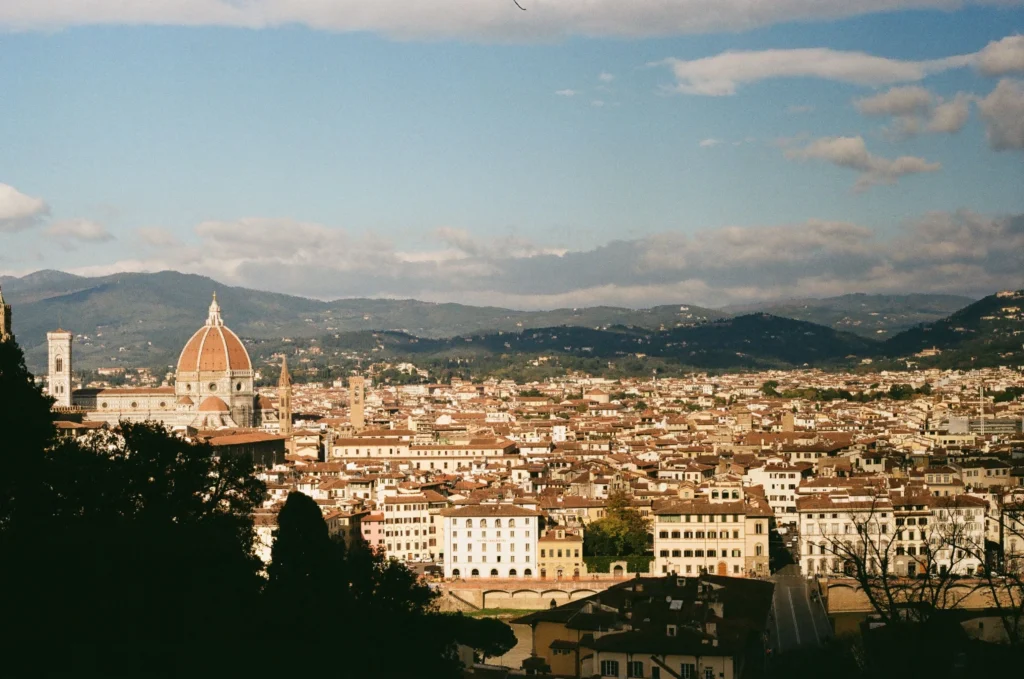
On Day 4, travel from Rome to Florence.
Florence is much smaller than Rome, which changes the rhythm of the trip immediately. Many major attractions sit within a compact historic center, making walking the best way to explore.
Day 4: Meet Renaissance Florence
After checking into your accommodation, begin around Piazza del Duomo.
Even travelers who have seen countless photographs of Florence Cathedral are often surprised by how imposing it feels from street level.
Continue toward:
- Piazza della Signoria
- Palazzo Vecchio
- Ponte Vecchio
- The Arno River
- Santo Spirito
Avoid rushing immediately into every museum. Florence itself feels like an open-air exhibition, and the first afternoon is better spent understanding the city.
Finish the day at Piazzale Michelangelo if the weather is clear. The elevated view provides an excellent introduction to Florence’s skyline.
Day 5: Art, Food and Florence at Street Level
Day 5 can be your main museum day.
Choose the collections that genuinely interest you rather than visiting famous museums simply because a guidebook says you should. Booking popular attractions ahead can also help keep the day predictable.
Balance art with ordinary Florentine life.
Visit a market, stop for lunch rather than eating while walking, and explore streets beyond the central tourist corridors.
Food worth looking for includes:
- Fresh pasta
- Ribollita
- Pappa al pomodoro
- Bistecca alla fiorentina for meat eaters
- Cantucci with vin santo
Italian cities are much easier to appreciate when sightseeing and eating are treated as equally important parts of the itinerary.
Day 6: Take a Day Trip into Tuscany
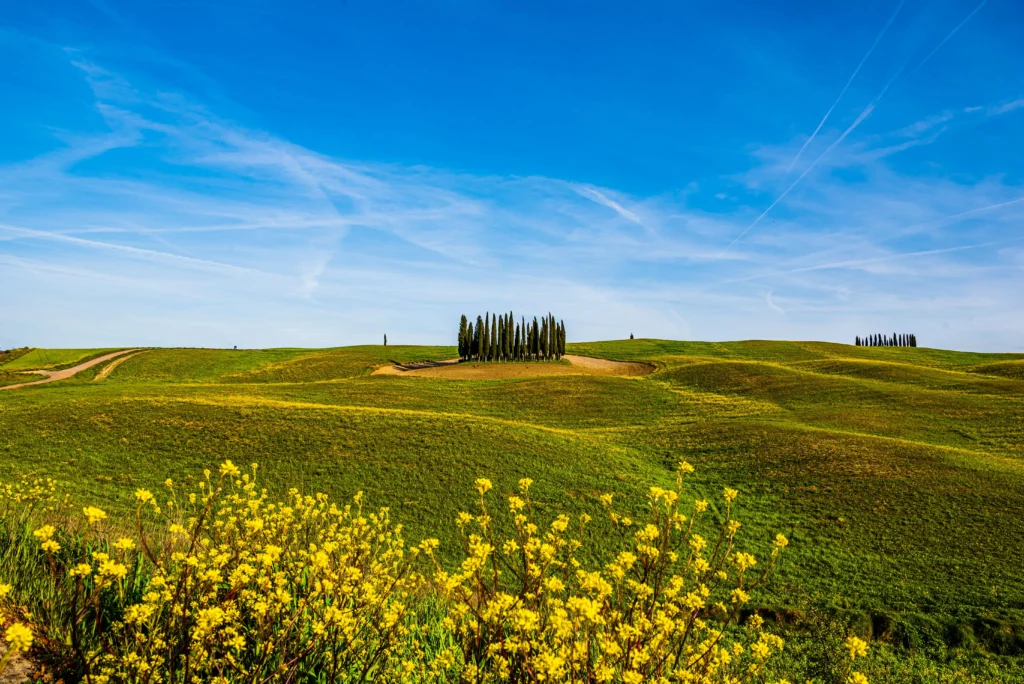
After several days in major cities, Tuscany provides a useful change of pace.
You do not necessarily need to rent a car. Depending on your priorities, you can organize a train, bus, tour or private transfer to destinations outside Florence.
Popular possibilities include Siena, San Gimignano, Lucca and the Chianti countryside.
Do not attempt to visit five towns in one day. Pick one or two places and give yourself time for lunch.
A simple Tuscany day might look like this:
- Leave Florence in the morning.
- Explore Siena before the busiest part of the afternoon.
- Have a long lunch.
- Visit a second small town or countryside viewpoint.
- Return to Florence before dinner.
That pace feels much more Italian than racing between photo stops.
Days 7–8: Venice Without Rushing
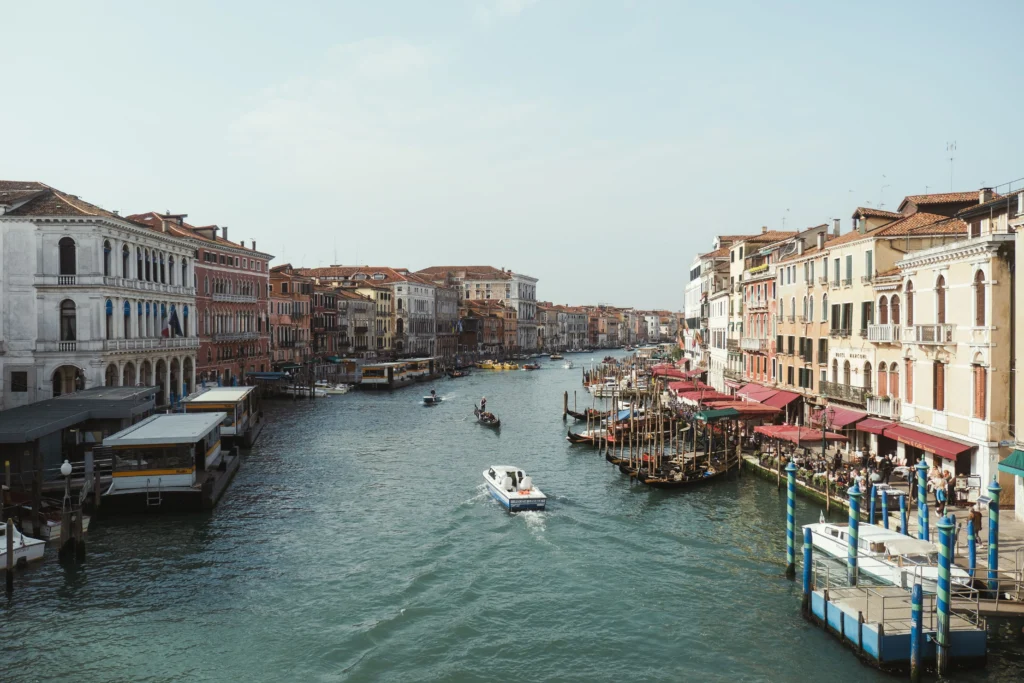
Travel to Venice on Day 7.
Venice requires a small mental adjustment. Streets end unexpectedly. Bridges change your route. Navigation apps sometimes make a five-minute walk look deceptively simple.
This is part of the experience.
Day 7: Forget the Checklist for a Few Hours
After leaving your luggage at the hotel, begin walking without trying to see everything immediately.
You will eventually reach many of the famous landmarks anyway.
Make your way toward:
- Rialto Bridge
- Grand Canal
- St. Mark’s Square
- Doge’s Palace
- The waterfront
But also turn into quiet side streets whenever they look interesting.
Venice becomes much more enjoyable once you stop treating getting lost as a problem.
Day 8: See Another Side of Venice
Use your second day for whatever interested you most on Day 7.
You could visit major historic sites, spend more time around the lagoon or explore islands such as Murano and Burano.
Another option is to stay within Venice but move away from the highest-traffic areas.
Neighborhoods such as Cannaregio and parts of Castello can provide a more everyday view of the city.
When choosing restaurants, walking several streets away from the busiest landmarks often changes both the atmosphere and the experience.
Days 9–10: Finish in Milan
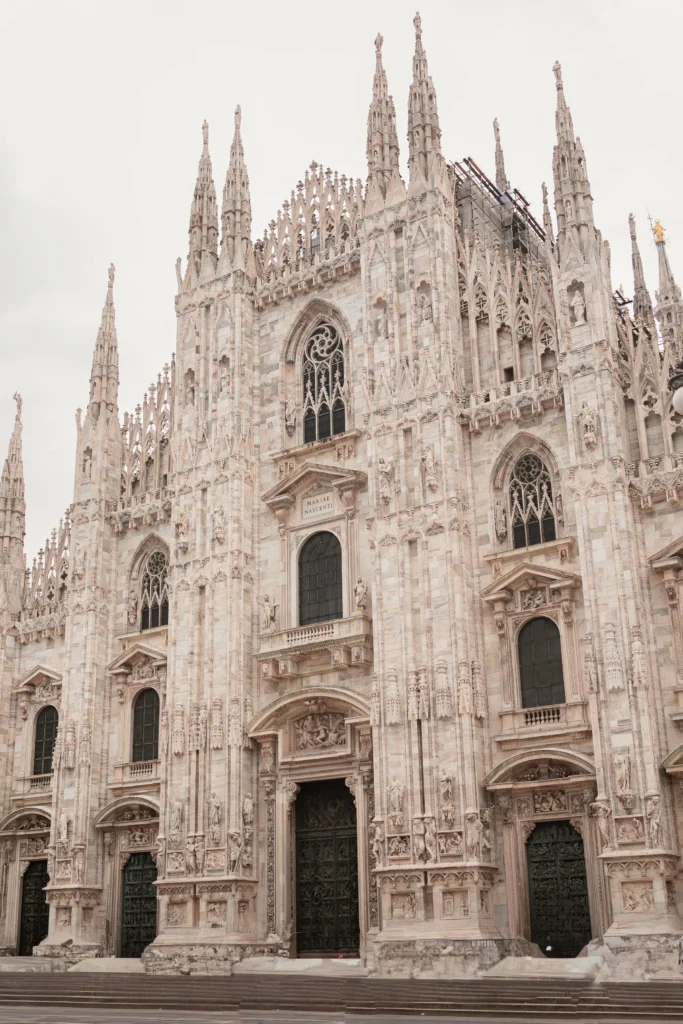
Milan is sometimes skipped by travelers focused exclusively on ancient ruins and Renaissance towns, but it makes a useful final stop.
It also introduces a very different version of Italy.
Day 9: From Historic Italy to Modern Italy
Travel from Venice to Milan and spend the afternoon exploring the center.
Start around the Duomo before walking through Galleria Vittorio Emanuele II. From there, continue into nearby districts or toward Brera.
Milan rewards visitors who look beyond shopping.
Architecture, design, art, cafés and neighborhood life make the city more interesting than its reputation as merely a fashion capital suggests.
If seeing Leonardo da Vinci’s The Last Supper is important to you, plan well ahead rather than assuming you can arrange a visit after arrival.
Day 10: Milan or Lake Como?
Your final day depends on your departure schedule.
If you have a full day, you have two strong options.
Option 1: Stay in Milan
Choose this if you prefer a relaxed ending.
Spend more time exploring Brera, museums, parks or the Navigli area rather than adding another transfer.
Option 2: Visit Lake Como
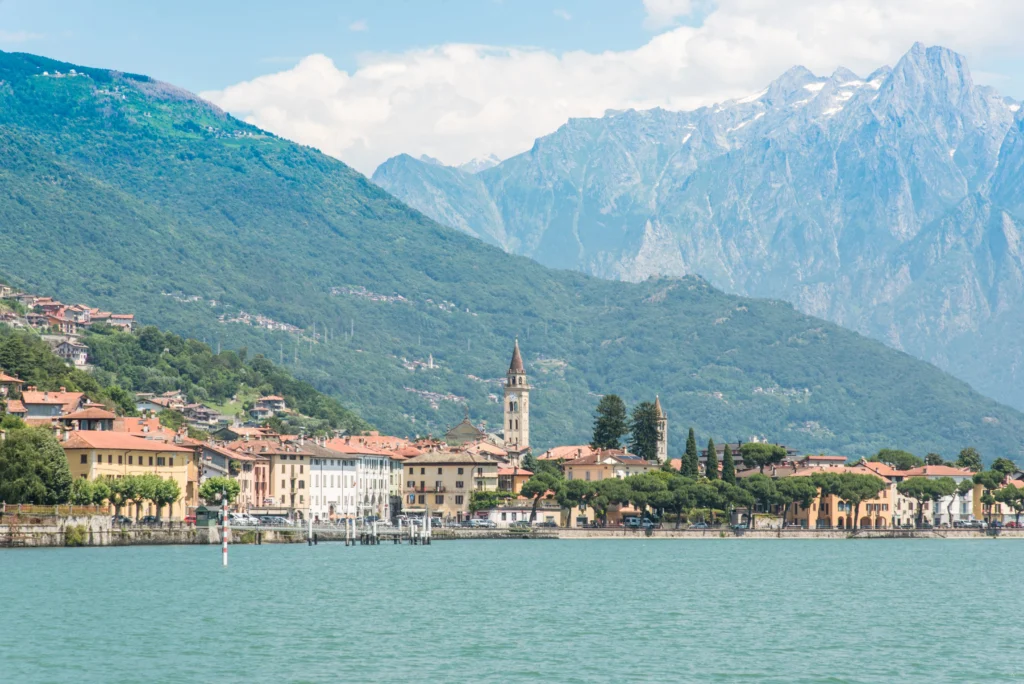
If your flight is the following day, Lake Como can make a memorable finale.
The lake offers a dramatic contrast with the dense urban environments of Rome, Florence, Venice and Milan.
However, avoid forcing a lake excursion into a day when you also have an international flight. The final hours of a trip should not become a race against the clock.
How to Get Around Italy During a 10-Day Trip
Transportation can determine whether this itinerary feels relaxed or exhausting.
For journeys between Rome, Florence, Venice and Milan, rail travel usually fits naturally into the route because you arrive close to each city center and avoid repeated airport procedures.
Other parts of the journey require a different approach.
Trains work best when:
- Both destinations have convenient central stations.
- You are traveling between major cities.
- Your schedule is relatively flexible.
- You are comfortable handling your own luggage.
Pre-arranged transfers can make sense when:
- Arriving late at night or leaving early in the morning.
- Traveling between an airport and accommodation.
- Traveling with young children or several suitcases.
- Moving as a family or group.
- Visiting locations with limited public transport.
- Convenience matters more than finding the cheapest possible option.
Renting a car can work well when:
- Spending several days in rural Tuscany.
- Exploring small villages.
- Staying at countryside accommodation.
- Following a route that does not depend on major rail connections.
A car is far less useful in the historic centers of cities such as Rome, Florence and Venice.
What to Book Before Your Italy Trip
Some parts of this itinerary benefit from advance planning, while others should remain flexible.
Before departure, consider arranging:
- International flights
- Accommodation in all four base cities
- Long-distance train journeys
- Admission to must-see museums and attractions
- Airport transfers when arrival times are inconvenient
- Any specific restaurant that is important to you
- A Tuscany tour or countryside transportation if required
At the same time, avoid pre-booking every lunch, walking tour and evening activity.
Leaving a few blank spaces gives you room to respond to weather, energy levels and discoveries made during the trip.
Common Mistakes to Avoid on a 10-Day Italy Itinerary
Trying to experience Italy efficiently can sometimes make travelers too efficient.
Changing hotels every night
Frequent hotel changes consume more time than they appear to on paper. Packing, checking out, reaching a station, traveling, finding the next hotel and checking in can easily turn a short journey into half a day.
Adding too many cities
Rome, Florence, Venice, Naples, Bologna, Milan, Cinque Terre and the Amalfi Coast may all look close on a map.
That does not mean they belong in the same 10-day trip.
Treating food as an interruption
A rushed sandwich between attractions might save 40 minutes, but long lunches and relaxed dinners are part of traveling in Italy.
Ignoring arrival logistics
A carefully planned sightseeing schedule can fall apart quickly when no thought has been given to getting from the airport to the first hotel.
Scheduling every minute
Italy is particularly good at producing unexpected detours: a market, a tiny church, a neighborhood festival, an interesting shop or simply a street worth exploring.
Give those moments somewhere to fit.
A Simple Packing Strategy
For a multi-city itinerary, lighter luggage makes a noticeable difference.
Useful essentials include:
- Comfortable walking shoes
- A compact day bag
- Layers for changing temperatures
- A reusable water bottle
- Charging cables and a suitable power adapter
- Copies of important travel documents
- Clothing appropriate for religious sites
- Enough empty luggage space for something you inevitably buy
Four cities and multiple trains are much easier with one manageable suitcase than with several oversized bags.
Is 10 Days Enough for Italy?
Ten days are enough for an excellent first trip to Italy, but not enough to “see Italy.”
That distinction matters.
A well-planned 10-day Italy travel itinerary can introduce you to ancient Rome, Renaissance Florence, Tuscan landscapes, Venetian canals and modern Milan without turning the holiday into an endurance test.
The country will still have dozens of reasons for you to return: Naples and Pompeii, the Amalfi Coast, Sicily, Sardinia, Bologna, Puglia, the Dolomites, Piedmont and countless smaller towns.
That is not a flaw in the itinerary.
It is probably the best possible outcome.
Final Thoughts
Italy rewards curiosity more than speed.
For a first visit, Rome, Florence, Tuscany, Venice and Milan provide an excellent introduction to the country’s history, art, landscapes, food and modern culture. The route is straightforward enough to organize independently while leaving plenty of opportunities to personalize each day.
Plan the important logistics before departure, choose transportation according to the journey rather than relying on one method for everything, and leave some unscheduled hours in every city.
You may arrive with a carefully organized ten-day itinerary.
The moments you remember most, however, will probably be the ones that were never on it.
