
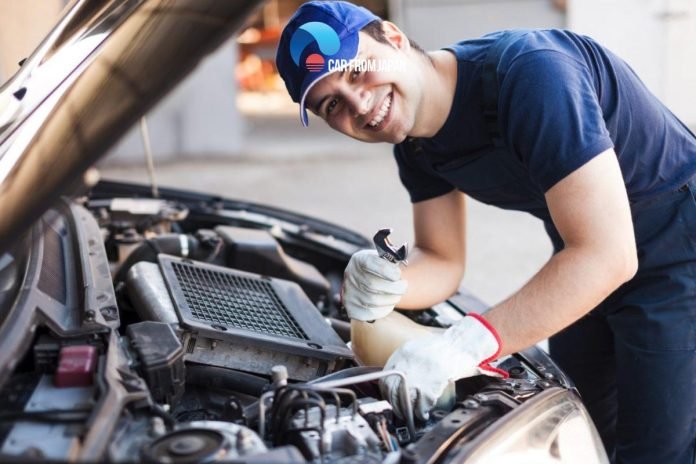
Owning a car for the first time can feel like a major step forward, but it also comes with new responsibilities. Regular maintenance, basic inspections, and knowing when something needs attention can help keep a vehicle dependable while reducing the chance of small problems turning into expensive repairs.
New drivers do not need to become professional mechanics to take better care of their vehicles. A basic understanding of common auto parts can make routine maintenance much easier. Knowing what certain parts do, how often they may need attention, and what warning signs to look for can help car owners make more informed decisions about their vehicles.
Some of the most important items are also among the simplest. Fluids, filters, wiper blades, batteries, belts, brakes, and basic ignition components all play important roles in everyday driving. Learning how these systems work together can make vehicle ownership feel less intimidating.
These seven areas provide a practical starting point for anyone who wants to understand basic car maintenance without getting overwhelmed by every component under the hood.
Easy Maintenance Items Worth Checking First
One of the first things every car owner should become familiar with is engine oil. Oil lubricates moving engine components and helps reduce heat and friction. Over time, oil becomes contaminated and less effective, which is why regular oil changes are such an important part of vehicle maintenance.
Drivers should follow the maintenance interval listed in the owner’s manual rather than relying on one universal schedule. Driving conditions, mileage, engine design, and oil type can all affect how frequently service is needed.
The second important area is the engine air filter. The filter helps prevent dirt, dust, and debris from entering the engine’s intake system. A clogged filter can restrict airflow and may affect engine performance.
Checking the filter periodically is usually straightforward, although replacement intervals vary by vehicle and driving environment. Cars driven on dusty roads may need more frequent attention than vehicles used primarily on paved highways.
The third important item is coolant. Engine coolant helps regulate operating temperature and protect the cooling system from extreme heat and cold. Drivers may also hear coolant referred to as antifreeze, especially when discussing protection from freezing temperatures.
Coolant levels should only be checked according to the procedures in the owner’s manual. Opening a pressurized cooling system while the engine is hot can be dangerous, so new car owners should understand the correct process before inspecting or adding fluid.
Low coolant can sometimes indicate a leak or another cooling system problem. Puddles under the car, an overheating warning, or a temperature gauge climbing higher than normal should not be ignored.
Different vehicles may also require different coolant formulations. Mixing incompatible coolant types can cause problems, so drivers should confirm the correct specification for their vehicle before adding anything.
The fourth area is the battery. A car battery supplies the power needed to start the engine and supports electrical systems when the engine is not providing enough power through the charging system.
Slow engine cranking, dim lights, clicking when trying to start, or repeated starting problems can all point toward a battery or charging issue. Corrosion around the battery terminals can also interfere with electrical connections.
Battery age matters as well. Even if a battery appears to be working normally, performance can gradually decline over time. Extreme heat and cold can accelerate that wear.
The fifth item is the serpentine belt or accessory drive belt. Depending on the vehicle, one belt may help power several components such as the alternator, air-conditioning compressor, or power steering system.
Drivers can look for visible cracking, fraying, glazing, or other damage during basic inspections. Squealing noises from the engine area may also suggest a belt or pulley issue that deserves attention.
Because belts operate near moving engine components, drivers should never inspect them while the engine is running unless a trained technician is performing the work with appropriate procedures.
Learning these simple maintenance areas gives new car owners a useful foundation. Oil, air filters, coolant, batteries, and belts all affect reliability in different ways, but each can provide warning signs before a major failure occurs.
Simple Parts That Can Help Prevent Bigger Problems
The sixth important area is the braking system. Brake pads are designed to wear gradually as the vehicle is driven, which makes regular inspection important.
Squealing, grinding, vibration while braking, increased stopping distance, or a brake warning light can all suggest that the system needs attention. Drivers should not wait for complete brake failure before scheduling an inspection.
Brake pads are only one part of the system. Rotors, calipers, brake fluid, and other components also affect stopping performance. New car owners do not need to diagnose every problem themselves, but they should know that unusual braking behavior deserves quick attention.
Driving habits can affect how quickly brake components wear. Frequent stop-and-go traffic, heavy loads, mountain driving, and aggressive braking can shorten the life of brake pads and other components.
The seventh basic maintenance item is the windshield wiper blade. Wipers may not seem as important as engine or brake components, but visibility is a major part of safe driving.
Old windshield wipers can leave streaks, skip across the glass, squeak, or fail to clear rain effectively. Replacing worn blades is a relatively simple maintenance task that can make a noticeable difference during poor weather.
Drivers should also keep windshield washer fluid filled and make sure the washer nozzles spray correctly. Clean glass and dependable wipers can improve visibility during rain, snow, dust, and road spray.
Beyond these seven basic items, new car owners should get into the habit of paying attention to how the vehicle normally feels and sounds. Familiarity makes unusual changes easier to recognize.
A new vibration, warning light, strange smell, fluid leak, or unfamiliar noise should not automatically be treated as an emergency, but it should not be ignored either. Catching a problem early can often prevent more expensive damage.
Tire maintenance should also become part of the routine, even though tires are not always thought of in the same category as replacement vehicle parts. Tire pressure affects handling, fuel efficiency, and tread wear. The recommended pressure can usually be found on the driver’s door jamb label or in the owner’s manual.
Tread depth and visible damage should be checked periodically as well. Uneven tread wear may indicate alignment, suspension, inflation, or rotation issues.
Vehicle lights are another simple area to inspect. Headlights, brake lights, turn signals, and license plate lights all serve important safety functions. A quick walk around the vehicle can reveal a burned-out bulb before it becomes a bigger inconvenience.
The owner’s manual remains one of the most valuable tools available to a new car owner. It includes information about fluid specifications, maintenance intervals, dashboard warnings, tire pressure, and other vehicle-specific requirements.
Instead of guessing when something should be replaced, drivers can use the manufacturer’s recommendations as a starting point. Maintenance schedules may change based on severe driving conditions, towing, frequent short trips, or other use patterns.
Keeping simple maintenance records can also help. Save receipts or note the mileage when oil, filters, batteries, brakes, or other components are serviced. This makes it easier to know what has already been done and what may be coming next.
Car ownership becomes easier when maintenance is approached gradually. There is no need to memorize every component immediately. Start with the parts that require regular attention and learn more as different maintenance needs arise.
The most important habit is consistency. Checking fluids, noticing warning signs, and addressing basic maintenance before something fails can help keep a vehicle dependable and easier to manage.
Knowing a few common auto parts also makes conversations with repair shops or parts stores easier. When a technician mentions coolant, a belt, a battery, or brake pads, a basic understanding of those components helps the owner follow the discussion and ask better questions.
For new drivers, that knowledge can create more confidence and reduce the uncertainty that often comes with vehicle maintenance.
A reliable car does not depend on one single component. It depends on many systems working together. Oil protects the engine, coolant controls temperature, filters help keep contaminants out, the battery supports starting, belts drive accessories, brakes control stopping, and wipers maintain visibility.
Understanding these seven areas provides a practical foundation for better vehicle care. Regular inspections and timely maintenance can help extend the life of important components while making it easier to identify problems before they become more serious.
New car owners do not need to know everything about automotive repair. They simply need to know what deserves attention, where to find vehicle-specific information, and when a problem should be inspected by a professional. Those basic habits can make everyday driving more dependable and vehicle ownership far less stressful.
