
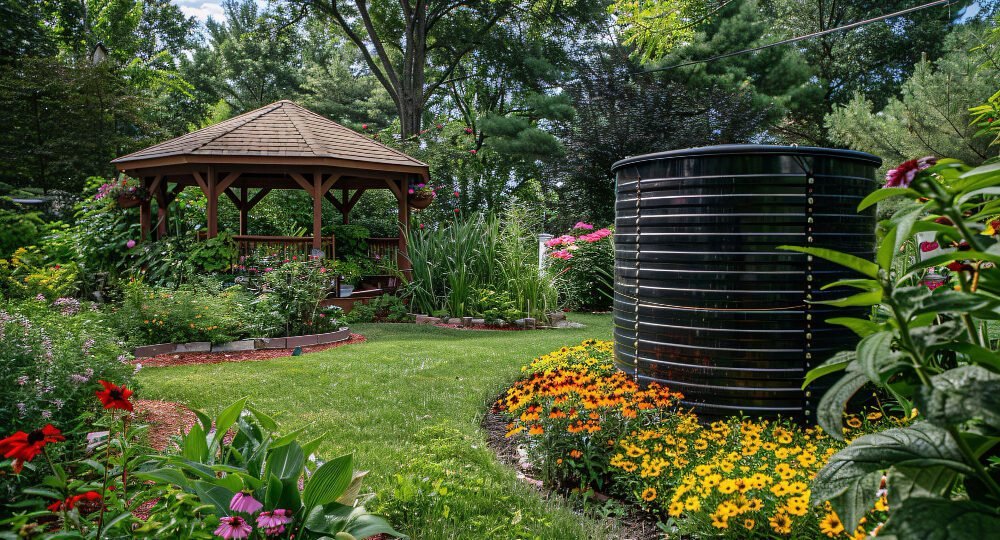
Reliable water storage is an important part of a well-planned property. Homes, apartment buildings, commercial facilities, and industrial sites may all depend on stored supplies to support everyday activities, manage interruptions, or maintain an emergency reserve.
However, effective storage involves more than simply choosing a large container. Capacity, available space, material, plumbing layout, structural support, hygiene, and maintenance access all influence how well the system performs over time.
Property owners who consider these factors before installation can avoid common problems and create a solution that is easier to operate and maintain.
Understand the Property’s Actual Requirements
The first step is determining how much storage the property realistically needs.
A family home will normally have different requirements from an apartment complex, hotel, warehouse, school, or manufacturing facility. Occupancy, daily consumption, peak demand, and the reliability of the main supply should all be considered.
When choosing a water tank, it is useful to think beyond current consumption. A property extension, additional occupants, or a change in building use could increase future demand.
At the same time, unnecessarily oversized storage can consume valuable space and increase installation costs. The objective should be an appropriate balance between current needs and reasonable future requirements.
Choose the Installation Area Carefully
Location can affect the entire storage setup.
Depending on the property, a system might be installed at ground level, on a rooftop, inside a dedicated utility area, or below ground. Each arrangement creates different requirements for structural support, plumbing, accessibility, and maintenance.
Before installation, consider:
- Available floor space
- Structural loading
- Access for technicians
- Plumbing connection distances
- Drainage arrangements
- Environmental exposure
- Space required for inspection and cleaning
Selecting the location early in a construction or renovation project can make the installation considerably easier.
Compare Materials According to the Application
Storage systems can be manufactured from polyethylene, reinforced composites, stainless steel, concrete, and other materials. Each option has characteristics that suit particular applications.
Material selection should therefore be based on the project rather than on a single factor such as purchase price.
For larger developments, a GRP tank may be considered when modular assembly and corrosion resistance are important requirements. Modular construction can be particularly useful where access limitations make transporting a large pre-formed structure difficult.
For smaller properties, other materials and configurations may provide a simpler solution.
Pay Attention to Structural Support
Stored liquid creates a substantial load, so the supporting base deserves careful consideration.
The foundation should be suitable for the dimensions, configuration, and filled weight of the installed system. An uneven or inadequate base can contribute to unnecessary stress and operational problems.
Rooftop installations require particular attention because the building structure must safely accommodate the additional load. Larger or more complex projects may require assessment by an appropriately qualified professional.
Foundation requirements should also follow the specifications provided for the selected system.
Design the Plumbing Layout Properly
Storage performance depends on more than the container itself. Inlets, outlets, drains, overflow arrangements, valves, pumps, and associated pipework all need to work together.
Poorly planned connections can make maintenance difficult or create unnecessary operational complications.
The plumbing layout should provide suitable access to important components so technicians can inspect, repair, or replace them without having to dismantle unrelated parts of the installation.
Good planning at this stage can save considerable time during future maintenance.
Keep Hygiene in Mind
Where stored supplies are intended for domestic or potable purposes, cleanliness should be a priority.
Secure covers and properly designed access points can help reduce the entry of dust, insects, and debris. Internal surfaces should also be maintained according to the manufacturer’s recommendations and relevant local requirements.
Sediment can accumulate over time, which is why periodic inspection and cleaning are important parts of responsible ownership.
The required cleaning schedule will vary according to usage, system design, local conditions, and applicable regulations.
Make Maintenance Access a Priority
A common design mistake is placing equipment in a location where installation is possible but future servicing is extremely difficult.
Technicians may need access to covers, fittings, valves, drainage points, structural components, and surrounding areas. Leaving adequate working space can make routine inspections safer and more efficient.
Regular inspections can help identify:
- Leakage
- Loose fittings
- Damaged connections
- Physical deterioration
- Sediment accumulation
- Problems with covers or seals
Identifying minor issues early can help prevent more disruptive repairs later.
Consider the Total Cost of Ownership
Purchase price is important, but it should not be the only factor influencing the decision.
Property owners should consider the complete lifecycle cost, including:
- Transportation
- Foundation preparation
- Installation
- Plumbing work
- Cleaning
- Routine inspections
- Repairs
- Replacement components
A low initial price does not necessarily represent good value if maintenance is difficult or the selected material is unsuitable for the installation environment.
Likewise, an expensive system may provide little additional benefit if its features are unnecessary for the project.
Prepare for Changes in Future Demand
Properties evolve over time. Families grow, businesses expand, buildings are extended, and facilities can be converted for different uses.
Storage planning should therefore include some consideration of future requirements.
This does not mean every property needs the largest possible system. Instead, planners can consider whether the installation area, plumbing arrangement, and supporting infrastructure would allow a practical upgrade if additional capacity is required later.
Flexible planning can reduce the cost and disruption associated with future modifications.
Routine Inspection Protects Long-Term Performance
Installation is only the beginning of the system’s operational life.
A water tank should be included in the property’s regular maintenance programme so that its condition, connections, fittings, and surrounding installation can be checked periodically.
Commercial property managers may also benefit from maintaining basic service records. Documentation makes it easier to track previous cleaning, inspections, repairs, and component replacements, especially when different contractors or facility teams are involved over time.
Final Thoughts
Effective storage planning requires a combination of correct sizing, suitable materials, structural preparation, good plumbing design, hygiene management, and accessible maintenance.
Property owners should avoid choosing a solution based solely on capacity or initial price. Instead, the complete installation should be considered as part of the property’s long-term infrastructure.
Taking time to evaluate current demand, future requirements, installation conditions, and ongoing maintenance can result in a more practical system that provides dependable service without creating unnecessary complications later.
